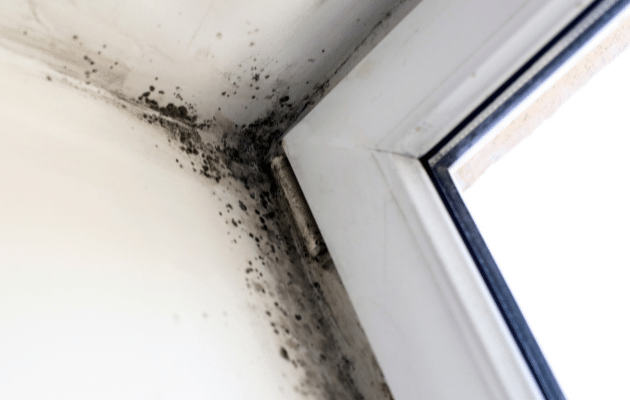
Mold in HVAC Systems in Sykes Creek: What Merritt Island Property Owners Should Know
In Sykes Creek homes, air-conditioning isn’t just a comfort feature—it runs most of the year. With constant cooling, high coastal humidity, and homes built close to the water, HVAC systems are under continuous moisture stress. When that moisture isn’t managed properly, mold can develop inside the system and quietly spread through the home every time the AC turns on.
For homeowners, landlords, and property managers in Sykes Creek, understanding how mold forms in HVAC systems—and how to stop it—can help protect indoor comfort, air quality, and the long-term condition of the property.
Why HVAC Mold Is So Common in Sykes Creek
HVAC systems naturally create condensation as they cool warm, humid air. In Sykes Creek, where outdoor humidity remains high most of the year, that condensation forms frequently on coils, inside air handlers, and within ductwork.
Local factors that increase HVAC mold risk include:
- Persistent coastal humidity
- Proximity to Sykes Creek, increasing baseline moisture levels
- Heavy, year-round AC use
- Salt air, which accelerates corrosion and seal failure
- Storms and power outages, disrupting airflow and drying
When condensation doesn’t drain or dry properly, damp conditions remain long enough for mold to grow.
Where Mold Grows Inside HVAC Systems
Mold inside HVAC systems is often hidden. In Sykes Creek homes, it commonly develops in:
- Air handlers and blower compartments
- Evaporator coils and drain pans
- Supply and return ductwork
- Internal duct insulation
- Around AC vents where condensation forms
Because many of these components aren’t visible, mold can grow undetected for long periods.
Signs Mold May Be Coming From the HVAC System
HVAC-related mold problems often show indirect symptoms rather than visible growth. Property owners frequently notice:
- Musty odors when the AC turns on
- Odors that worsen after the system cycles
- Staining or residue around air vents
- Excessive indoor humidity despite cooling
- Dusty buildup that returns quickly after cleaning
These signs often indicate moisture or contamination inside the system rather than normal dust.
How Moisture Builds Up Inside HVAC Systems
Moisture buildup usually comes from mechanical or airflow issues. Common causes include clogged drain lines, poorly sloped drain pans, restricted airflow, or insulation breakdown inside ducts.
In Sykes Creek’s humid environment, even minor HVAC issues can quickly lead to mold if moisture isn’t removed efficiently.
Why DIY Cleaning Doesn’t Solve HVAC Mold
Changing filters or wiping vents may improve odors temporarily, but it doesn’t reach mold growing deeper inside the system. Mold inside air handlers or duct insulation can’t be removed with surface cleaning.
Household cleaners also don’t correct condensation, drainage, or airflow problems. Without fixing the moisture source, mold almost always returns.
How HVAC Mold Is Properly Evaluated
A professional evaluation focuses on both the HVAC system and overall moisture conditions in the home. This typically includes:
- Inspecting air handlers, coils, and drain pans
- Checking ductwork and insulation condition
- Measuring humidity and airflow
- Identifying drainage or condensation issues
This approach helps determine whether mold is localized or affecting the entire system.
HVAC Mold Removal and Remediation
When mold is confirmed, remediation focuses on safely addressing contaminated components and correcting moisture problems. This may involve cleaning or replacing affected insulation, improving drainage, or correcting airflow issues.
Containment and proper procedures prevent mold spores from spreading during the process. A local company like Mold Removal Merritt Island understands how HVAC systems in Sykes Creek homes behave under coastal conditions, helping ensure remediation efforts are effective and long-lasting.
Preventing Mold in HVAC Systems
Prevention centers on moisture control and regular maintenance. Property owners can reduce HVAC mold risk by:
- Keeping drain lines clear
- Scheduling routine AC maintenance
- Monitoring indoor humidity levels
- Ensuring proper airflow throughout the system
- Addressing condensation issues promptly
Routine inspections are especially important after storms or extended periods of high humidity.
Why Local Experience Matters
HVAC systems in coastal environments behave differently than those in drier climates. Local experience helps identify common problem areas tied to humidity, salt air exposure, and building styles common in Sykes Creek.
Understanding these conditions allows for faster diagnosis and better long-term prevention strategies.
A Practical, Calm Next Step
If you’re noticing musty odors, humidity issues, or signs pointing to mold in your HVAC system, a professional evaluation can provide clarity. It’s not about fear—it’s about understanding what’s happening inside the system and correcting it properly.
Early attention helps protect indoor comfort, improve air quality, and prevent HVAC mold from becoming a recurring problem.