
Mold in HVAC Systems in Indian River: What Merritt Island Property Owners Should Know
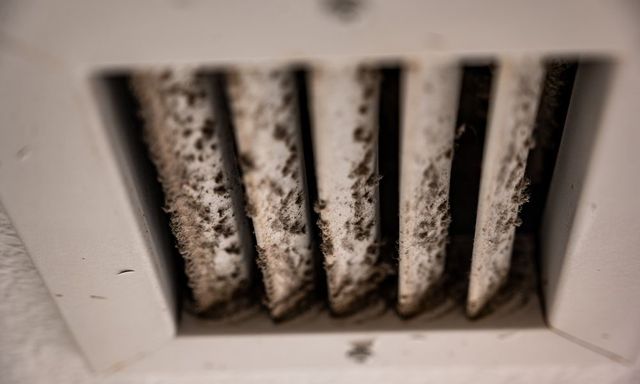
Your HVAC system is supposed to protect comfort and indoor air quality—but in Indian River and across Merritt Island, it can quietly become one of the largest mold distribution systems in the home. High humidity, long cooling seasons, and constant condensation create ideal conditions for mold to grow inside air handlers, ductwork, and drain components. Once mold takes hold, it doesn’t stay put. It circulates through every room, every time the system runs.
If you own a property near the Indian River, understanding how HVAC mold forms, where it hides, how to spot it early, and what to do about it is critical for protecting health, preventing recurring problems, and avoiding costly repairs.
This guide explains exactly what Merritt Island property owners should know about mold in HVAC systems—and why ignoring it can affect the entire home.
🌴 Why HVAC Mold Is So Common Near the Indian River
HVAC systems in Merritt Island run hard—often 8–10 months a year. Combine that with coastal humidity and salt air, and mold risk skyrockets.
Common causes of HVAC mold include:
- Constant condensation on evaporator coils
- Clogged or slow-draining condensate lines
- High indoor humidity levels
- Poor airflow or oversized systems
- Dirty air filters
- Duct leaks pulling in humid air
- Systems shutting off before moisture is removed
- Salt air accelerating corrosion and moisture retention
Any place moisture lingers inside the system becomes a potential mold colony.
🦠 How Fast Mold Can Grow in HVAC Systems
Many homeowners assume mold takes a long time to develop. In Florida HVAC systems, that’s not true.
- Moisture forms daily on cooling coils
- Darkness inside the air handler provides cover
- Dust supplies organic material
- Mold can begin growing in 24–48 hours
- Colonies can spread across coils, drain pans, insulation, and ducts
Once mold establishes inside the HVAC system, it often spreads faster than mold in other parts of the home.
🧰 Common HVAC Mold Hotspots
HVAC mold doesn’t grow everywhere evenly—it targets specific components where moisture and debris collect.
❄️ Evaporator Coils
- Constant condensation
- Dust accumulation
- Limited airflow
🧊 Drain Pans & Condensate Lines
- Standing water from clogs
- Slime buildup
- Algae growth leading to overflow
🌀 Air Handler Cabinets
- Internal insulation
- Seams and corners
- Rusted or corroded surfaces
🧵 Ductwork
- Flexible duct lining
- Supply plenum interiors
- Leaky connections pulling humid air
🌫️ Return Air Areas
- High humidity zones
- Poor filtration points
If mold grows in any of these areas, it can easily spread throughout the system.
⚠️ Why HVAC Mold Is Especially Dangerous
Unlike mold confined to one room, HVAC mold affects the entire home.
Potential consequences include:
- Mold spores circulated into every room
- Persistent musty odors throughout the house
- Worsening allergies and asthma symptoms
- Headaches, coughing, and sinus irritation
- Reduced HVAC efficiency
- Corrosion and premature system failure
Because HVAC systems move air continuously, mold exposure can be constant and widespread.
🔍 Warning Signs of Mold in Your HVAC System
HVAC mold isn’t always visible—but there are clear red flags.
Indoor Warning Signs
- Musty or “dirty sock” odors from vents
- Allergy symptoms that worsen indoors
- Odors that return after cleaning
- Increased humidity despite AC use
System-Level Signs
- Visible mold inside air handler
- Slimy drain pans or lines
- Water around the air handler
- Dirty or damp air filters
- Black or green buildup near vents
If you smell mold every time the AC turns on, the system itself is often the source.
🧪 Mold vs. Dust in HVAC Systems
Not all dark buildup inside HVAC components is mold—but guessing is risky.
| Dust/Debris | Mold |
|---|---|
| Dry and loose | Fuzzy, slimy, or stuck |
| No odor | Musty smell |
| Cosmetic | Indicates moisture |
| Doesn’t spread | Circulates through ducts |
Only proper inspection and testing can confirm mold presence.
🧽 Why DIY HVAC Mold Cleaning Often Fails
Many homeowners try to solve HVAC mold with filter changes or surface cleaning. Unfortunately, this rarely works.
DIY methods fail because:
- Mold grows behind coils and insulation
- Bleach doesn’t penetrate porous materials
- Spores spread when disturbed
- Moisture sources remain untreated
- Duct interiors are inaccessible
In some cases, DIY attempts make the problem worse by pushing spores deeper into the system.
🛑 When Professional Mold Remediation Is Necessary
Professional help is strongly recommended if:
- Mold is visible inside the air handler
- Odors return after cleaning
- Ductwork shows contamination
- Drain pan overflows repeatedly
- Allergies worsen when AC runs
- Mold appears in multiple rooms
Professionals address both the mold and the moisture problem, which is essential for permanent results.
🌊 Why Indian River Homes Face Higher HVAC Mold Risk
Homes near the Indian River experience environmental factors that increase HVAC mold risk:
- High coastal humidity year-round
- Salt air accelerating corrosion
- Frequent storms increasing indoor moisture
- Long cooling seasons
- Homes tightly sealed for efficiency
Even newer HVAC systems can develop mold if humidity control is inadequate.
🛠️ Long-Term HVAC Mold Prevention Strategies
Preventing HVAC mold requires more than occasional maintenance.
Effective prevention steps include:
- Regular professional HVAC inspections
- Keeping condensate lines clear
- Replacing filters every 30–60 days
- Maintaining indoor humidity below 55%
- Sealing duct leaks
- Ensuring proper system sizing
- Cleaning coils and drain pans routinely
Moisture control—not just cleaning—is the key to long-term prevention.
📉 How HVAC Mold Affects Property Value
HVAC mold can complicate inspections and sales.
Potential impacts include:
- Failed indoor air quality inspections
- Required remediation before sale
- Buyer concerns over hidden mold
- Reduced system lifespan and value
Because HVAC systems affect the entire home, mold here is often treated as a major defect during real estate transactions.
✅ Final Takeaway for Merritt Island Property Owners
Mold in HVAC systems near the Indian River is common—but never harmless.
If your home shows warning signs:
✔ Take musty odors seriously
✔ Inspect HVAC components regularly
✔ Control indoor humidity aggressively
✔ Avoid surface-only cleaning
✔ Seek professional remediation when mold is present
Addressing HVAC mold early protects your health, your comfort, and your home’s long-term value.
