
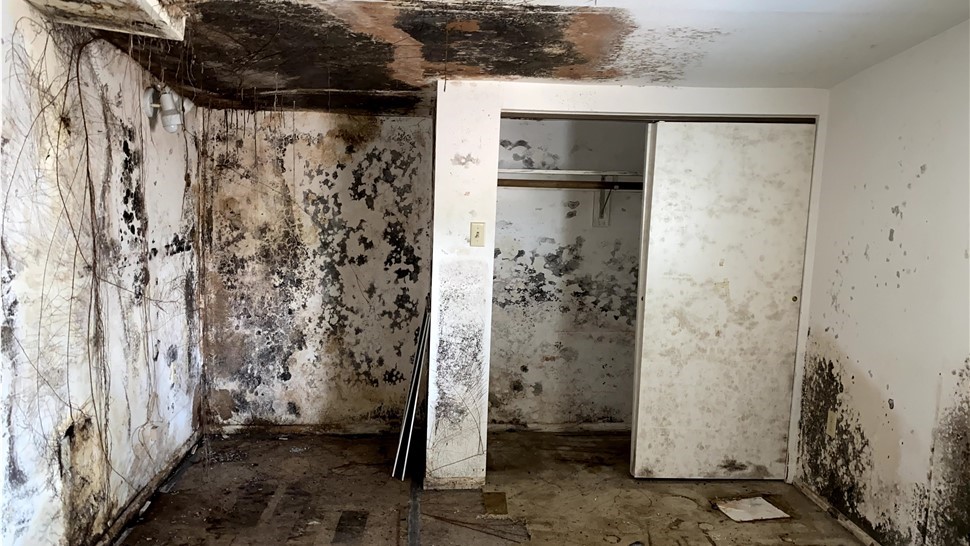
🏥 Mold in Healthcare Facilities in North Merritt Island: What Merritt Island Property Owners Should Know
Healthcare facilities in North Merritt Island operate under a higher bar than most buildings—and mold is one of the fastest ways to miss it. Clinics, medical offices, outpatient centers, and specialty practices serve vulnerable patients, rely on strict infection-control standards, and use complex HVAC systems that can quietly amplify moisture problems. In coastal Brevard County, that combination makes mold a clinical, compliance, and operational risk, not just a maintenance issue.
This guide explains why healthcare settings are uniquely vulnerable, where mold typically hides, and what Merritt Island property owners should know to protect patients, staff, and long-term value.
🌴 Why Healthcare Facilities Face Elevated Mold Risk in North Merritt Island
Several factors stack the odds:
- High baseline coastal humidity year-round
- Salt air that slows drying and stresses HVAC components
- Long cooling seasons with constant condensation
- Large, zoned HVAC systems serving multiple suites
- Pressurized rooms (negative/positive airflow) that complicate balance
- Intermittent occupancy (nights/weekends)
- Slab-on-grade construction releasing moisture upward
Mold doesn’t need a flood here—humidity + condensation + time are enough.
🦠 How Mold Develops in Medical Environments
A common pathway in healthcare buildings looks like this:
- Indoor humidity rises or a subtle leak/condensate issue appears
- HVAC cools spaces but under-dehumidifies certain zones
- Condensation forms in air handlers, ducts, wall cavities, or plenums
- Rooms sit closed overnight or over weekends
- Mold begins growing within 24–48 hours
- Spores and odors circulate through shared air systems
Because finishes are cleaned frequently, growth is often hidden until complaints surface.
🧱 High-Risk Mold Hotspots in Healthcare Facilities
Focus routine inspections on:
- HVAC air handlers, drain pans, coils, and duct insulation
- Drop ceilings & plenum spaces
- Exterior-facing walls and corners
- Ceiling tiles (staining/sagging)
- Soiled utility rooms & clean supply rooms
- Procedure rooms with added humidity loads
- Restrooms and hand-wash stations
- Storage rooms (linens, paper supplies)
- Vacant suites awaiting build-out
If odors intensify when systems start, HVAC involvement is likely.
👃 Early Warning Signs Staff & Patients Notice
Healthcare mold often announces itself through people first:
- Musty odors in the morning or after weekends
- Odors strongest when HVAC cycles on
- Staff headaches, sinus irritation, coughing, or fatigue
- Patient complaints about “damp” or “stale” air
- Recurrent ceiling tile staining
- Condensation at diffusers or returns
In clinical settings, these are actionable signals, not nuisances.
🌬️ HVAC: The Biggest Multiplier in Clinical Buildings
Near the coast, HVAC is the primary risk amplifier:
- Constant condensation on coils and pans
- Partially clogged drain lines that overflow intermittently
- Damp duct insulation above ceilings
- Airflow imbalances between pressurized rooms
Once HVAC is implicated, mold becomes facility-wide, not room-specific.
🧪 Why Mold Is Often Discovered Late in Healthcare
It’s commonly missed because:
- Growth hides above ceilings or behind walls
- Cleaning masks odors temporarily
- After-hours vacancy allows growth to accelerate
- Comfort complaints are misattributed to “old building smell”
By discovery time, scope—and disruption—are larger.
🧽 Why Spot Cleaning Fails in Healthcare Settings
Surface cleaning alone fails because:
- Moisture sources persist
- HVAC keeps redistributing spores
- Porous materials retain mold roots
- Adjacent rooms become contaminated
In healthcare, partial fixes almost always fail—and repeat.
🛠️ Effective Mold Prevention for Healthcare Facilities
Prevention must be systematic, documented, and continuous:
✔ Maintain indoor humidity ≤55% (50% ideal)
✔ Monitor humidity by zone (especially low-use areas)
✔ Inspect HVAC drain pans/lines on a schedule
✔ Balance supply/return air—account for pressurization
✔ Address condensation—not just visible leaks
✔ Inspect plenums and ceiling tiles routinely
✔ Check vacant suites weekly
✔ Use supplemental dehumidification where AC isn’t enough
✔ Keep detailed maintenance and inspection records
Consistency protects patients and operations.
🛑 When Professional Evaluation Is Necessary
Bring in professionals if:
- Odors persist or spread
- Staff/patient symptoms increase
- HVAC systems are implicated
- Mold returns after cleaning
- Multiple rooms or suites are affected
- Moisture lasted longer than 48 hours
- You face audits, accreditation reviews, or lease events
Early action limits downtime and liability.
📄 Compliance, Liability & Operational Impact
Unchecked mold can trigger:
- Infection-control concerns
- Staff and patient complaints
- Room closures or service disruption
- Regulatory and accreditation scrutiny
- Insurance complications
Documentation and proactive control reduce exposure.
📉 How Mold Affects Healthcare Property Value
Mold history can:
- Increase vacancy risk
- Reduce lease rates
- Delay refinancing or sale
- Require remediation before transactions
Buyers scrutinize HVAC performance and moisture management closely.
🌊 Why North Merritt Island Facilities Need Extra Vigilance
Compared to inland properties, North Merritt Island buildings:
- Dry more slowly
- Carry higher humidity loads
- Experience longer mold growth seasons
What works inland often isn’t enough here.
✅ Final Takeaway for Merritt Island Property Owners
In North Merritt Island healthcare facilities, mold is a patient safety, compliance, and continuity issue—not just maintenance.
Remember:
✔ Mold can start in 24–48 hours
✔ HVAC spreads problems fast
✔ Odors are early warnings
✔ Humidity control beats cleaning
✔ Proactive programs protect patients, staff, and value
With disciplined moisture control, routine inspections, and early intervention, mold in healthcare facilities is manageable—not inevitable.
If you’d like, I can provide a healthcare mold risk checklist, HVAC humidity management plan, or a clinical-safe response protocol tailored specifically for North Merritt Island and Merritt Island facilities.
