
Mold in Garages in Sykes Creek: What Merritt Island Property Owners Should Know
Garages in Sykes Creek homes often get treated like utility spaces—places for storage, tools, and occasional projects. Because they aren’t living areas, moisture problems there are easy to ignore. In Merritt Island’s coastal environment, though, garages are one of the most common starting points for mold growth, and problems there don’t always stay contained.
Understanding why mold forms in garages around Sykes Creek—and how it can affect the rest of the home—helps property owners catch issues early and prevent spread.
Why Garages in Sykes Creek Are Prone to Mold
Homes near Sykes Creek sit in a humid, water-influenced microclimate. Garages are especially vulnerable because they’re often less insulated, less climate-controlled, and more exposed to outdoor air.
Common contributing factors include:
- High year-round humidity from nearby waterways
- Warm, moist air entering through garage doors and gaps
- Concrete slabs that hold and release moisture
- Limited ventilation
- Salt air accelerating material deterioration
Unlike interior rooms, garages rarely dry out completely, especially during humid seasons.
How Mold Typically Develops in Garages
Mold in garages usually starts quietly. Moisture builds up on porous materials and stays there long enough for mold to grow.
Common moisture sources include:
- Condensation on walls or ceilings
- Water tracked in from vehicles during rain
- Minor roof or flashing leaks above the garage
- Plumbing lines running through garage walls
- AC equipment or ductwork located in the garage
Once moisture is present, mold can begin growing within days on drywall, wood framing, stored items, or cardboard boxes.
Common Garage Mold Locations in Sykes Creek Homes
Garage mold often appears in predictable places:
Lower Wall Sections
Moisture rising from concrete slabs frequently affects drywall and base areas along the floor.
Ceilings and Corners
Poor airflow allows humid air to collect, especially in attached garages.
Behind Stored Items
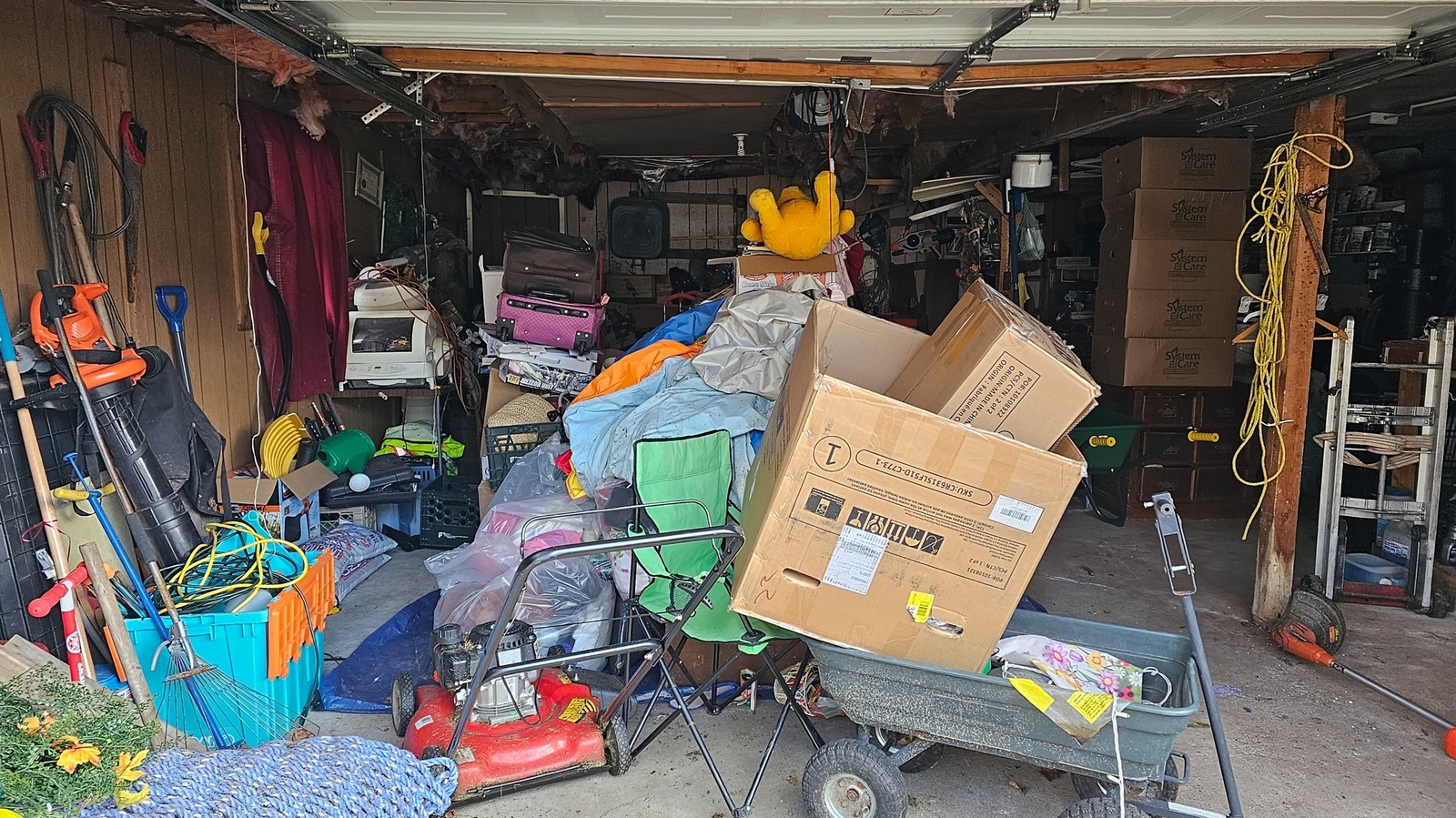
Boxes, wood shelving, and stored belongings restrict airflow and trap moisture against walls.
Around Garage Doors
Gaps and seals allow humid outdoor air to enter, especially during storms.
Near Mechanical Systems
Water heaters, plumbing lines, or AC components can introduce moisture through small leaks or condensation.
Signs Mold May Be Growing in Your Garage
Garage mold isn’t always obvious at first. Watch for:
- Musty or earthy odors when opening the garage
- Dark spots or staining on walls or ceilings
- Peeling paint or bubbling drywall
- Rust on tools or metal surfaces
- Damp-feeling air, even on dry days
Because garages are often accessed briefly, these signs can go unnoticed for long periods.
Why Garage Mold Can Affect the Rest of the Home
In many Sykes Creek homes, garages share walls or ceilings with living spaces. Air movement between the garage and the home—through doors, wall cavities, or duct pathways—can allow mold spores and odors to migrate indoors.
This is especially common when:
- The garage is attached
- HVAC systems pass near or through the garage
- Doors between the garage and home aren’t well sealed
What starts as a garage issue can eventually affect indoor air quality inside the house.
The Role of Slab Foundations and Moisture
Most garages in Merritt Island are built on concrete slabs. Concrete absorbs moisture from the ground and releases it slowly into the air. In Sykes Creek’s high water table environment, slabs can remain damp even without visible water intrusion.
This constant low-level moisture is one of the main reasons garage mold is so persistent locally.
Why DIY Cleaning Often Doesn’t Solve Garage Mold
Wiping visible mold or repainting garage walls may improve appearance temporarily, but it rarely fixes the underlying problem. Without addressing moisture sources and airflow, mold often returns—sometimes in a different area.
Garages require moisture control first, not just surface cleaning.
How Professionals Evaluate Garage Mold
A proper evaluation looks at both visible growth and moisture conditions. It may include:
- Moisture readings in walls and slabs
- Inspection of shared walls with the home
- Assessment of ventilation and airflow
- Identification of leaks or condensation sources
Local specialists such as Mold Removal Merritt Island understand how Sykes Creek’s coastal environment affects garages differently than interior spaces.
Practical Steps to Reduce Garage Mold Risk
Property owners can take effective preventive steps:
- Keep the garage as dry and uncluttered as possible
- Avoid storing cardboard or fabric items directly on floors
- Improve airflow with ventilation or fans
- Seal gaps around garage doors
- Address roof or plumbing leaks promptly
- Monitor humidity levels, especially during wet seasons
Small changes can significantly reduce mold risk over time.
Why Early Attention Matters
Garage mold often spreads slowly and quietly. Early detection usually means simpler solutions, limited cleanup, and less risk of affecting the rest of the home.
Waiting often allows mold to spread into wall cavities or shared structures, increasing the scope of work later.
A Practical Next Step for Sykes Creek Property Owners
If your garage smells musty, feels damp, or shows signs of discoloration, it’s worth taking a closer look. Garages may not be living spaces, but they play a bigger role in overall home health than many people realize.
In Sykes Creek’s humid environment, staying ahead of garage moisture is one of the smartest ways to prevent mold problems from spreading further.
