
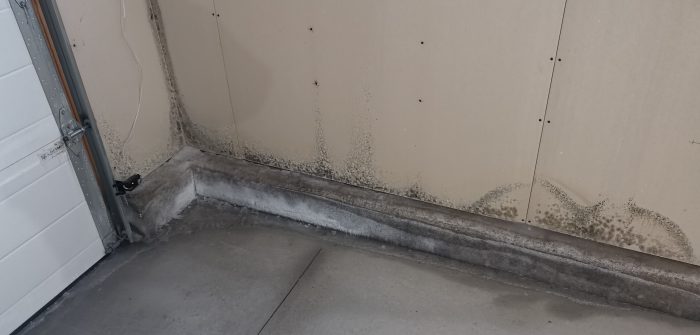
Mold in Garages in North Merritt Island: What Merritt Island Property Owners Should Know
Garages in North Merritt Island are often treated like a storage buffer zone — part workshop, part parking, part “we’ll deal with it later.” Unfortunately, that mindset makes garages one of the most common starting points for mold problems in local homes. Between coastal humidity, concrete slabs, and poor airflow, garages create ideal conditions for mold growth long before it’s obvious.
If your garage smells musty, feels damp, or shows discoloration on walls or ceilings, this isn’t cosmetic. It’s a moisture problem that can spread into your home and affect indoor air quality.
Why Garages in North Merritt Island Are High-Risk
Garages aren’t built for comfort — they’re built for utility. That’s exactly why mold loves them.
Several local factors stack the odds against you:
- High year-round humidity from nearby waterways
- No air conditioning in most garages
- Large temperature swings between day and night
- Minimal ventilation
- Concrete slabs that wick moisture from the ground
Add wet vehicles, lawn equipment, and storage items, and the garage stays damp far longer than living spaces. Mold doesn’t need a leak. It just needs persistent moisture.
How Mold Develops in Garages
Mold requires three things:
- Moisture
- Organic material
- Time
Garages provide all three in abundance.
Moisture comes from humid air, condensation, wet cars, and slabs. Organic material comes from drywall, wood framing, cardboard boxes, dust, and insulation. Time comes from garages being inspected far less often than kitchens or bathrooms.
Once humidity stays above roughly 60 percent, mold can begin growing within 24–48 hours — even without visible water intrusion.
Common Causes of Garage Mold
Condensation
Warm, humid air enters the garage and meets cooler walls, ceilings, and concrete floors. Condensation forms, especially overnight. That moisture soaks into drywall and framing.
Concrete Slab Moisture
Concrete is porous. Moisture rises through slabs after heavy rain or high groundwater levels — common in North Merritt Island. Items stored directly on the floor trap that moisture.
Attached Garage Air Exchange
In attached garages, air moves freely through:
- Door gaps
- Shared framing
- Cracks and utility penetrations
Mold spores travel with that air. What grows in the garage doesn’t stay there.
Minor Roof or Door Leaks
Small roof leaks, damaged flashing, or poorly sealed garage doors let water in slowly. Because garages aren’t checked daily, these leaks often go unnoticed.
Storage Materials
Cardboard boxes, fabric items, and untreated wood absorb humidity and hold it long enough for mold to grow — often behind stacked items where you never look.
Where Mold Commonly Appears in Garages
Mold in garages tends to grow in predictable zones:
- Lower sections of drywall
- Behind stored items pressed against walls
- Ceiling corners and trusses
- Around garage doors and framing
- On stored boxes, furniture, or tools
- Behind insulation on shared walls
Visible growth is often just the tip of the problem. Hidden mold can exist inside walls while spores circulate freely.
Why Garage Mold Is a Bigger Problem Than It Looks
Many property owners assume garage mold is harmless because it’s “not living space.” That’s a mistake.
Here’s why:
- Air moves from the garage into the house
- Mold spores spread through shared walls and ceilings
- Odors migrate indoors
- Indoor air quality can decline without visible mold inside
In attached garages, mold often affects bedrooms and living areas before homeowners realize the garage is the source.
Health and Air Quality Concerns
Mold releases spores into the air. In garages, those spores don’t stay contained.
Common symptoms linked to garage-related mold exposure include:
- Persistent coughing or throat irritation
- Nasal congestion or sneezing
- Sinus pressure or headaches
- Worsening asthma or allergy symptoms
If symptoms improve when you leave the house, garage mold is a strong suspect — especially if the garage smells damp or musty.
Warning Signs Property Owners Should Watch For
Garage mold usually gives warnings before it becomes severe.
Visual Clues
- Dark spotting or streaks on walls or ceilings
- Bubbling or peeling paint
- White, green, or black fuzzy growth
Odors
- Musty or earthy smell
- Odors stronger after rain or humid days
- Smell transferring from garage into the house
Moisture Indicators
- Damp drywall or concrete
- Condensation on tools or metal surfaces
- Stored items feeling clammy
Ignoring these signs allows mold to spread deeper and cost more to fix.
Why Garage Mold Often Comes Back
This is where many cleanups fail.
Wiping visible mold without fixing moisture:
- Removes surface growth only
- Leaves damp materials behind
- Allows mold to regrow quickly
Bleach and household cleaners don’t solve moisture problems. If humidity stays high, mold returns — often worse than before.
What Property Owners Should Do
Step 1: Control Moisture
- Seal garage doors and weather stripping
- Fix roof or wall leaks immediately
- Improve exterior drainage away from the slab
- Avoid storing wet items in the garage
Step 2: Improve Airflow
- Open doors during dry weather
- Use passive vents if allowed
- Keep items away from walls to allow circulation
Step 3: Change Storage Habits
- Replace cardboard with plastic bins
- Keep items off the floor
- Avoid stacking items tightly against walls
Step 4: Dry the Space Thoroughly
- Use a dehumidifier if moisture persists
- Dry walls, floors, and stored items fully
- Fans help movement, not moisture removal
Step 5: Address Mold Growth Properly
Small, surface-level mold may be cleaned carefully if moisture is resolved. Larger areas or recurring growth need professional evaluation.
When to Call Mold Professionals
Professional help is recommended if:
- Mold covers more than a few square feet
- Growth keeps returning
- You smell mold but can’t see it
- The garage is attached to the home
- Anyone in the household has respiratory conditions
Professional remediation may include:
- Containment to prevent spread
- Removal of contaminated materials
- HEPA air filtration
- Moisture correction
Cutting corners usually leads to repeat problems.
Insurance Considerations
Garage mold coverage depends on the cause:
- Sudden water intrusion may be covered
- Long-term humidity issues usually aren’t
- Mold coverage may be limited or capped
If water damage occurred, document it early with photos and reports and notify your insurer promptly.
Preventing Garage Mold Long-Term
Prevention is cheaper than remediation:
- Keep garage humidity below 50 percent
- Inspect walls and ceilings quarterly
- Address musty smells immediately
- Maintain roof and door seals
- Store items properly and off the slab
Garages don’t have to be damp — they just need moisture management.
Final Takeaways for North Merritt Island Property Owners
Garage mold is common in North Merritt Island, but it’s not harmless.
Key points to remember:
- Garages are prime mold environments
- Mold spreads from garages into living spaces
- Moisture control is the real solution
- Early action saves money and protects air quality
- Professional help is often the smartest move
If your garage smells musty, feels damp, or shows discoloration, that’s not something to put off. Catching garage mold early protects your home, your health, and your long-term repair costs.
If you want help figuring out where mold is most likely hiding, whether cleanup is enough, or when inspection makes sense, just say the word.
