
Mold in Florida Winters in South Merritt Island: What Merritt Island Property Owners Should Know
Winter in Florida often feels mild and uneventful, especially in South Merritt Island, but this is one of the most misunderstood times of year when it comes to mold. Many homeowners assume mold is a summer-only issue tied to heat and storms. In reality, winter conditions in coastal Brevard County can quietly create just as many mold problems—sometimes more—because the warning signs are easier to miss.
South Merritt Island’s location between the Indian River and the Banana River, combined with closed-window living and reduced AC use, makes winter a prime season for hidden moisture buildup and mold growth.
Why Winter Mold Is Often Overlooked in Florida
Florida winters don’t bring freezing temperatures that dry out homes the way northern winters do. Instead, conditions remain humid enough for mold to survive and grow, even when outdoor temperatures feel comfortable.
Common reasons winter mold goes unnoticed include:
- Less frequent air conditioning use
- Fewer afternoon storms drawing attention to moisture
- Windows staying closed for weeks at a time
- Slower mold growth that isn’t immediately visible
Because problems develop gradually, homeowners often don’t realize there’s an issue until spring.
What Changes in South Merritt Island During Winter
While summer brings obvious humidity and rain, winter introduces subtle but important shifts that affect indoor moisture.
Reduced AC Dehumidification
Air conditioners naturally remove moisture, but during cooler months they run less often. This allows indoor humidity to creep upward, especially overnight.
Cooler Surfaces
Walls, vents, and windows cool down at night, increasing condensation when humid air contacts them.
Closed-Up Homes
With windows shut and less airflow, moisture has fewer ways to escape.
Lingering Moisture From Fall Storms
Small leaks or damp materials from earlier storms may never fully dry before winter sets in.
Common Winter Mold Triggers in South Merritt Island Homes
Winter mold problems are usually caused by everyday systems rather than dramatic events.
Typical triggers include:
- Condensation forming around AC vents and ductwork
- Moisture buildup in closets and storage rooms
- Attic humidity due to temperature differences
- Minor roof leaks that only show up after extended rain
- Plumbing lines sweating during cooler nights
These issues don’t feel urgent, which is why mold often gets a head start.
Early Signs Homeowners Often Miss in Winter
Winter mold rarely announces itself with obvious black patches on walls. Instead, the signs are subtle.
Homeowners may notice:
- A faint musty smell that comes and goes
- Rooms feeling damp despite mild weather
- Condensation on vents or windows in the morning
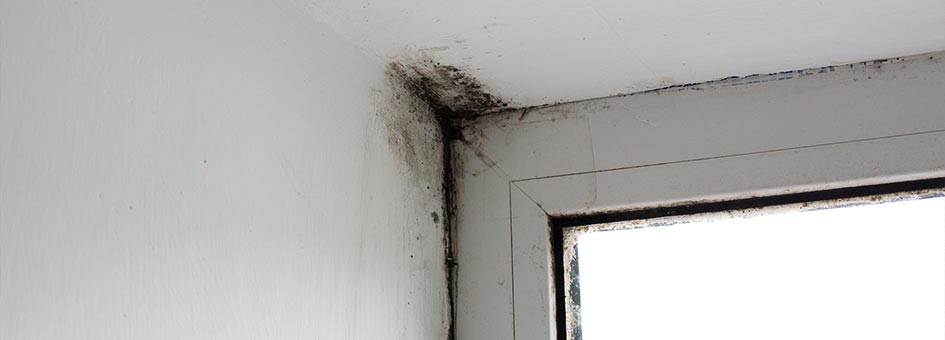
- Darkening near ceiling corners or baseboards
- Increased dust or stale indoor air
Because these symptoms don’t worsen rapidly, they’re often ignored.
Where Winter Mold Is Most Commonly Found
In South Merritt Island, winter mold tends to develop in areas with low airflow or temperature differences.
HVAC Systems
Air handlers, drain pans, and insulated ductwork often collect moisture when systems cycle less frequently.
Attics
Warm indoor air meets cooler roof decking, leading to condensation and attic mold.
Closets and Cabinets
These enclosed spaces trap humidity when doors stay closed for long periods.
Behind Walls
Slow leaks or condensation inside wall cavities can go unnoticed all winter.
Bathrooms
Reduced ventilation during cooler weather allows moisture to linger after showers.
Why Winter Mold Can Become a Bigger Spring Problem
Mold that starts in winter rarely stays contained. As temperatures rise in spring and AC usage increases, dormant or slow-growing mold can spread quickly.
This often leads to:
- Stronger odors appearing suddenly
- Mold becoming visible seemingly overnight
- HVAC systems distributing spores
- Larger remediation needs than expected
Addressing winter moisture early helps prevent this seasonal escalation.
How a Professional Inspection Helps During Winter
A winter mold inspection focuses on moisture behavior, not just visible growth.
A proper inspection typically includes:
- Checking indoor humidity levels
- Inspecting attics for condensation issues
- Evaluating HVAC drainage and insulation
- Measuring moisture in walls and ceilings
- Identifying areas with recurring winter issues
This approach helps pinpoint why mold develops during cooler months specifically.
Mold Testing and Winter Conditions
Testing isn’t always required, but it can be useful when symptoms are present without visible mold.
Testing may be helpful if:
- Odors persist but no mold is visible
- Multiple rooms feel damp in winter
- HVAC involvement is suspected
- There’s concern about indoor air quality
Results are usually compared to outdoor levels to understand whether indoor conditions are elevated for the season.
Why DIY Winter Mold Cleanup Often Falls Short
Winter mold problems are commonly mishandled because they don’t look severe.
Typical DIY mistakes include:
- Wiping visible spots without addressing humidity
- Using bleach on porous materials
- Painting over stains that return in spring
- Ignoring attics and HVAC systems
- Assuming mold will “dry out” on its own
Without correcting moisture conditions, winter mold almost always returns.
Preventing Mold During Florida Winters
Winter mold prevention in South Merritt Island focuses on moisture balance rather than temperature.
Effective steps include:
- Monitoring indoor humidity, especially at night
- Running AC or dehumidifiers periodically
- Using bathroom and kitchen exhaust fans
- Keeping closet doors slightly open for airflow
- Inspecting attics and AC systems mid-winter
These small habits make a noticeable difference over the season.
Why Local South Merritt Island Experience Matters
Winter mold behavior in coastal Florida doesn’t match national assumptions. Local knowledge matters.
Professionals familiar with South Merritt Island understand:
- How lagoon humidity affects winter drying
- Common attic and duct configurations
- Typical seasonal moisture patterns
- Why winter mold often precedes spring outbreaks
Local providers such as Mold Removal Merritt Island bring this regional understanding to winter inspections and evaluations.
A Calm, Practical Perspective for Homeowners
If your South Merritt Island home feels damp, musty, or stale during winter, it’s worth paying attention. Mold doesn’t take a seasonal break in Florida—it simply changes how it shows up.
A thoughtful evaluation during the winter months can prevent bigger problems later and help keep your home comfortable year-round.
