
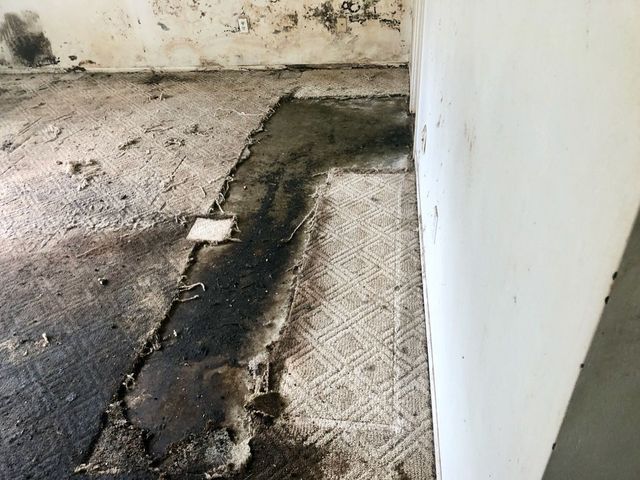
❄️ Mold in Florida Winters in South Merritt Island: What Merritt Island Property Owners Should Know
Many homeowners in South Merritt Island assume mold is a summer-only problem. After all, winter feels cooler and drier—right? Unfortunately, Florida winters often increase indoor mold risk, just in quieter and more confusing ways. Mold doesn’t disappear in winter here; it simply changes how and where it grows.
This guide explains why mold is common during Florida winters, the specific risks in South Merritt Island homes, and what property owners should do to prevent hidden winter mold from becoming a spring or summer nightmare.
🌴 Why Florida Winters Still Support Mold Growth
Florida winters are mild, not dry—especially near the coast.
Winter conditions in South Merritt Island include:
-
Cooler nights + warm indoor air
-
Reduced AC run time
-
Higher indoor humidity than expected
-
Closed windows and doors
-
Less airflow in closets and spare rooms
-
Ongoing slab and groundwater moisture
Mold doesn’t need heat—it needs moisture, and winter provides it in sneaky ways.
💧 The Winter Mold Trigger Most Homeowners Miss: Condensation
During winter, condensation becomes the biggest mold driver.
Here’s how it happens:
-
Cooler outdoor temperatures lower wall and floor surface temps
-
Warm, humid indoor air hits those cooler surfaces
-
Condensation forms—often invisibly
-
Moisture lingers due to low airflow
-
Mold begins growing within 24–48 hours
This is why winter mold often appears behind furniture, inside closets, and on exterior walls.
🧱 Common Winter Mold Hotspots in South Merritt Island Homes
Winter mold rarely shows up where you expect it.
High-risk areas include:
-
Closets on exterior walls
-
Behind beds, dressers, and couches
-
Lower drywall and baseboards
-
Bathrooms with poor ventilation
-
Laundry rooms
-
Under sinks and vanities
-
HVAC closets and air handlers
-
Garages and adjacent rooms
If rooms stay closed most of the winter, mold risk increases.
👃 Why Musty Odors Appear in Winter
Many homeowners notice musty smells during winter mornings or evenings.
That’s because:
-
Humidity builds overnight
-
Air circulation is minimal
-
Condensation increases
-
Mold releases odor-causing gases (MVOCs)
If odors fade during warmer days and return at night, winter moisture is the cause—not stale air.
🌬️ HVAC Behavior in Florida Winters
Your HVAC system behaves very differently in winter.
Winter HVAC risks include:
-
Shorter run cycles (less dehumidification)
-
AC not running long enough to remove moisture
-
Condensation forming inside air handlers
-
Drain lines drying out, then clogging later
Without consistent dehumidification, indoor humidity quietly climbs.
🧪 Why Winter Mold Is Often Discovered Too Late
Winter mold is commonly missed because:
-
There are no leaks or storms
-
Growth is hidden behind furniture or walls
-
Odors are subtle
-
Mold growth slows—but doesn’t stop
-
Problems explode when humidity rises again in spring
By the time mold is visible, it’s usually been there for months.
🧽 Why Winter Cleaning Doesn’t Stop Mold
Surface cleaning in winter fails because:
-
Condensation continues
-
Moisture remains trapped
-
Mold roots stay inside porous materials
-
Growth resumes when humidity rises
If mold returns every winter or spring, the moisture cycle was never broken.
🛠️ How to Prevent Mold During Florida Winters
Winter mold prevention in South Merritt Island requires intentional humidity control.
What actually works:
-
Keep indoor humidity ≤55% (50% ideal)
-
Run AC periodically even in cooler weather
-
Use dehumidifiers in low-use rooms and closets
-
Keep furniture a few inches from exterior walls
-
Leave closet doors cracked open
-
Use bathroom exhaust fans consistently
-
Inspect exterior walls and baseboards monthly
-
Check HVAC drain pans and lines mid-winter
Winter is about airflow + moisture balance, not temperature.
🛑 When Winter Mold Needs Professional Help
Consider professional evaluation if:
-
Mold appears every winter
-
Musty odors persist
-
Growth returns in the same areas
-
Multiple rooms are affected
-
Health symptoms worsen indoors
-
You suspect hidden growth behind walls or flooring
Seasonal recurrence usually means a systemic moisture issue.
📉 How Winter Mold Affects Property Value
Unresolved winter mold can:
-
Raise red flags during inspections
-
Be discovered unexpectedly during spring sales
-
Require remediation before listing
-
Reduce buyer confidence
Winter mold often becomes a spring-time deal breaker.
🌊 Why South Merritt Island Homes Are Extra Vulnerable
Compared to inland homes, South Merritt Island properties:
-
Experience higher year-round humidity
-
Have cooler slab and wall temperatures in winter
-
Dry more slowly
-
Face ongoing groundwater moisture
Winter mold here isn’t rare—it’s predictable.
✅ Final Takeaway for Merritt Island Property Owners
In South Merritt Island, Florida winters don’t stop mold—they just make it quieter.
Remember:
✔ Mold grows on moisture, not heat
✔ Winter condensation fuels hidden growth
✔ Closets and exterior walls are key risk zones
✔ HVAC run time affects humidity
✔ Consistent winter humidity control prevents spring mold
If you manage moisture during winter, you avoid bigger mold problems when Florida heat returns.
If you’d like, I can provide a winter humidity checklist, closet airflow setup guide, or a seasonal HVAC moisture strategy tailored specifically for South Merritt Island and Merritt Island homes.
