
Mold in Florida Winters in Merritt Island: What Merritt Island Property Owners Should Know
When people think about mold in Florida, they usually picture the hot, humid summer months. But many property owners in Merritt Island are surprised to learn that mold problems can develop during winter as well. While temperatures are milder, humidity often remains high, and changes in how homes are used during cooler months can create conditions where mold develops quietly.
Homes near the Banana River, Indian River, and Sykes Creek experience year-round moisture in the air, which means mold risks never fully disappear. Understanding why mold can grow in winter—and how to prevent it—helps homeowners avoid problems that might otherwise go unnoticed until spring.
Why Mold Can Still Grow in Florida Winters
Mold needs three basic conditions to grow:
- Moisture
- Organic materials like drywall or wood
- Warm or moderate temperatures
Even in winter, Merritt Island temperatures rarely drop low enough to stop mold growth. Humidity remains present, and many homes still rely on air conditioning or limited ventilation, allowing moisture to accumulate indoors.
Winter mold problems often develop more slowly than summer ones, but they are frequently discovered later because signs are subtle.
How Winter Living Habits Increase Mold Risk
During winter, homeowners often change how they use their homes. These changes can unintentionally raise indoor humidity.
Common winter habits that increase moisture include:
- Running the AC less frequently
- Keeping windows and doors closed for longer periods
- Using bathrooms with less ventilation
- Storing seasonal items in closets and spare rooms
- Reduced airflow in guest bedrooms or unused areas
When air circulation decreases, humidity can build up in corners, closets, and behind furniture.
Common Signs of Mold in Winter
Winter mold problems often start quietly. Property owners may notice small changes rather than obvious growth.
Common signs include:
- Musty odors in closets or spare rooms
- Slight staining on ceilings or walls
- Damp or stale indoor air
- Peeling paint in bathrooms or near windows
- Condensation on windows in the morning


These early warning signs often appear weeks before visible mold becomes widespread.
Areas of the Home Most Affected in Winter
Certain parts of Merritt Island homes are more vulnerable to mold during cooler months.
High-risk areas include:
- Closets on exterior walls
- Guest bedrooms that are rarely used
- Attics with limited ventilation
- HVAC systems and air handlers
- Storage rooms and garages
These spaces often have limited airflow, allowing humidity to linger.
Why Attics Can Develop Mold in Winter
Attic mold is not just a summer issue. In winter, temperature differences between indoor air and cooler attic surfaces can create condensation.
This can happen when:
- Warm indoor air rises into the attic
- Ventilation is inadequate
- Insulation is uneven or compressed
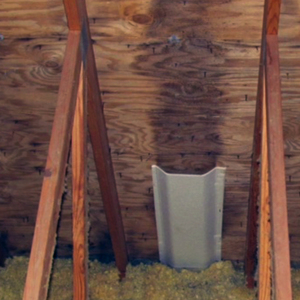
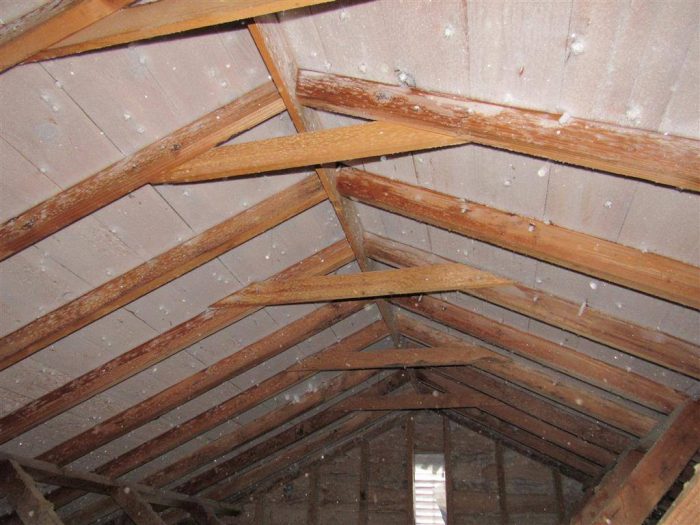
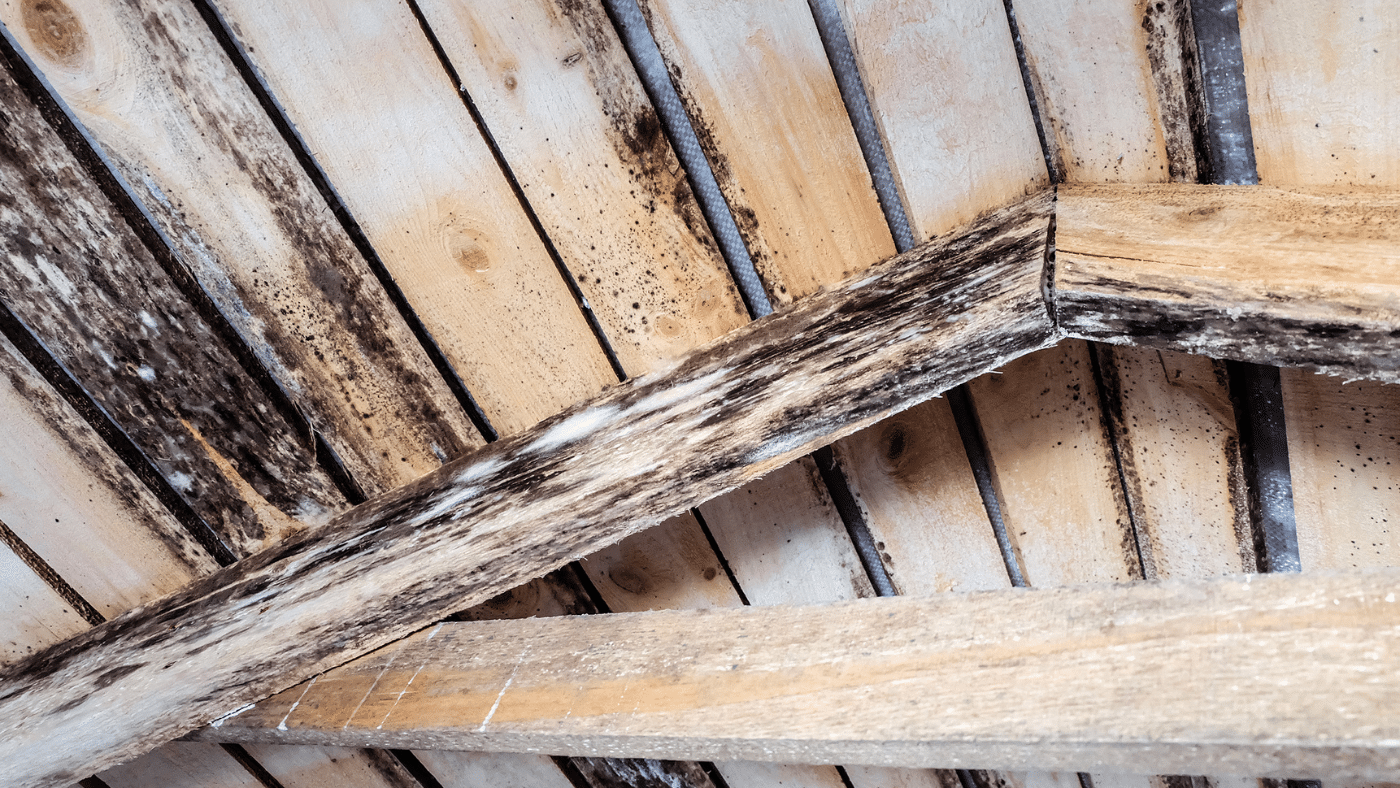
Because attics are rarely checked, mold may spread before it is discovered.
Hidden Mold That Develops During Winter
One of the challenges with winter mold is that it often forms in hidden areas rather than visible surfaces.
Common concealed locations include:
- Behind drywall on exterior walls
- Under flooring in kitchens or bathrooms
- Inside attic insulation
- Around HVAC ductwork


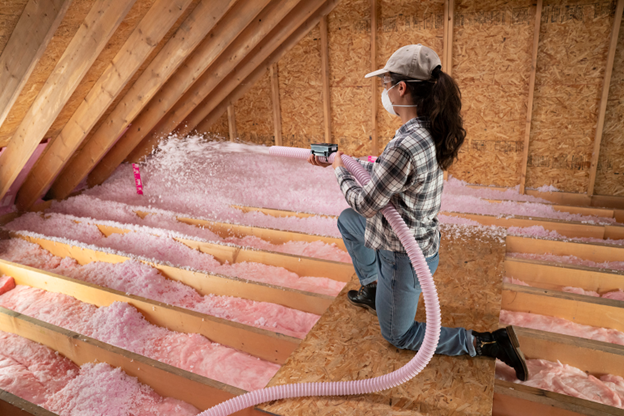
These areas can remain damp even when indoor conditions feel comfortable.
Why Humidity Remains High in Winter
Many homeowners assume cooler weather means lower humidity, but coastal Florida behaves differently.
Humidity remains elevated because:
- Surrounding waterways release moisture into the air
- Outdoor humidity stays relatively high year-round
- Reduced AC operation lowers dehumidification
- Rainfall and coastal breezes continue through winter
Without active humidity control, indoor levels can still exceed the range where mold growth becomes possible.
Why DIY Mold Cleanup Often Fails in Winter
When mold appears in winter, it is sometimes cleaned from visible surfaces without addressing the cause.
DIY cleanup often fails because:
- Moisture sources remain
- Mold inside porous materials is not removed
- Humidity levels stay high
- Hidden growth continues behind walls or flooring
In many cases, mold returns weeks or months later when humidity rises again.
How Professional Mold Inspection Helps in Winter
A professional inspection can identify moisture sources that are easy to overlook during cooler months.
Typical steps include:
- Visual inspection of attics, closets, and HVAC systems
- Moisture detection behind walls and under flooring
- Evaluation of ventilation and humidity conditions
Professionals familiar with local conditions, such as Mold Removal Merritt Island, understand how winter humidity and ventilation patterns affect homes throughout Brevard County.
Preventing Mold During Florida Winters
Preventive steps can significantly reduce mold risks in Merritt Island homes during winter.
Helpful actions include:
- Keeping indoor humidity between 45–55%
- Running the HVAC system regularly to circulate air
- Using bathroom and kitchen exhaust fans
- Checking attics for ventilation issues
- Leaving closet doors open periodically to improve airflow
- Inspecting ceilings and walls after rainy periods
Routine inspections during cooler months help catch small issues before they become larger problems.
Why Local Experience Matters
Mold behavior in Merritt Island differs from colder or inland climates. Homes near the Banana River, Indian River, and surrounding waterways often experience:
- High humidity even in winter
- Continuous AC or heat pump operation
- Salt air affecting building materials
- Storm-related moisture at any time of year
Professionals familiar with these conditions can identify problems more quickly and recommend solutions suited to coastal homes.
Local knowledge often helps prevent recurring mold issues and ensures that repairs address the real cause of moisture.
A Calm, Practical Next Step
Mold in Florida winters is less obvious than in summer, but it can still develop quietly in closets, attics, and other low-airflow areas. Monitoring humidity, maintaining ventilation, and inspecting your home periodically during cooler months are the most effective ways to prevent mold problems.
If you notice musty odors, condensation, or signs of moisture during winter, having the property evaluated can help determine whether mold is present and what steps may be needed.
For property owners in Merritt Island and throughout Brevard County, staying proactive—even during the cooler months—is the best way to keep homes dry, comfortable, and well maintained year-round.
