
Mold in Florida Winters in Indian River: What Merritt Island Property Owners Should Know
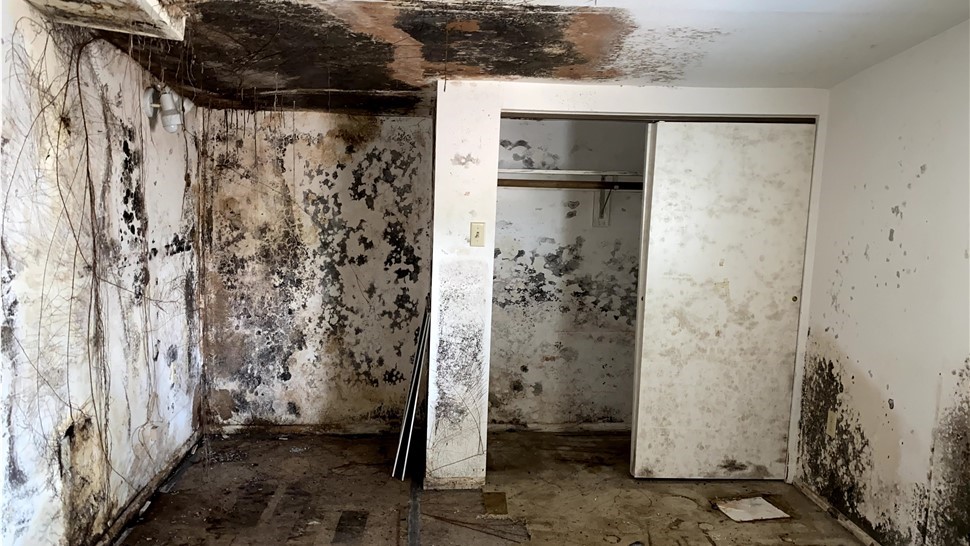
Many homeowners assume mold is a summer-only problem in Florida. In reality, winter mold issues are common in Indian River homes, especially around Merritt Island. Cooler temperatures, changing AC use, and persistent coastal humidity often create quiet but perfect conditions for mold growth—just without the obvious warning signs seen in summer.
For Merritt Island property owners, understanding why mold thrives during Florida winters is essential to preventing hidden damage and air quality problems.
🧠 Why Mold Still Grows During Florida Winters
Florida winters are mild—but they’re not dry, especially near the Indian River.
🌊 Coastal Humidity Never Truly Drops
Even in winter:
- Outdoor humidity remains elevated
- Moist air continues entering homes
- Ground and river moisture stays high
Humidity alone—above 60% indoors—is enough to support mold growth, even without heat or leaks.
❄️ Reduced AC Use Creates Condensation
In winter, many homeowners:
- Turn AC off completely
- Use it only occasionally
- Switch between AC and open windows
This causes:
- Poor moisture removal
- Condensation on cooler walls, windows, and vents
- Trapped humidity in closets and behind furniture
Mold often grows because the air isn’t moving enough.
🌬 Cool Surfaces + Moist Air = Condensation
When warm, humid air contacts cooler indoor surfaces, condensation forms—especially on:
- Exterior-facing walls
- Windows and frames
- Supply vents and ductwork
This low-level moisture often goes unnoticed but feeds mold continuously.
📍 Common Winter Mold Hotspots in Indian River Homes
During winter, mold commonly appears in:
- Closets on exterior walls
- Behind beds, couches, and cabinets
- Bathrooms with poor ventilation
- HVAC vents and air handlers
- Garages and utility rooms
- Lower wall sections near slabs
These areas stay cooler and receive less airflow.
🚩 Winter Mold Warning Signs Property Owners Miss
- Musty odors that appear when windows are closed
- Condensation on windows or vents in the morning
- Allergy or asthma symptoms worsening indoors
- Damp-feeling closets or cabinets
- Mold that “mysteriously” returns in the same areas
Winter mold often smells first—then shows itself later.
😷 Health & Air Quality Concerns in Winter
Because homes are sealed up more during winter, mold exposure can actually increase.
Occupants may notice:
- Persistent congestion or coughing
- Headaches or fatigue indoors
- Irritated eyes or throat
- Symptoms improving outdoors
Winter mold issues are often misattributed to “seasonal allergies.”
🏚 Property Risks of Ignoring Winter Mold
Winter mold doesn’t stop—it waits.
Ignoring it can lead to:
- Larger hidden colonies by spring
- Mold spreading behind walls and under floors
- Odors becoming permanent
- Higher remediation costs later
Many spring mold discoveries actually started in winter.
🧪 When Mold Testing Makes Sense in Winter
Testing is often helpful when:
- Odors persist without visible mold
- Symptoms continue despite cleaning
- Buying or selling a waterfront home
- A home had summer moisture issues
Winter testing helps identify hidden growth before it explodes in summer.
🛠 Preventing Mold During Florida Winters
✅ Keep Some Climate Control Running
- Avoid shutting AC off completely
- Use “dry mode” or low fan settings
- Maintain consistent airflow
Humidity removal matters more than temperature.
✅ Monitor Indoor Humidity
- Maintain 30–50% indoor humidity
- Use hygrometers in bedrooms and closets
- Add dehumidifiers where needed
Never rely on “how it feels.”
✅ Improve Air Circulation
- Open closet doors periodically
- Avoid pushing furniture against exterior walls
- Ensure bathroom fans are working
Still air traps moisture.
✅ Watch Condensation Closely
- Wipe and investigate recurring condensation
- Don’t ignore damp window frames or vents
- Address moisture before mold forms
Condensation is an early warning sign.
🚫 Common Winter Mistakes That Cause Mold
- Turning AC off for weeks
- Opening windows during humid days
- Ignoring musty odors
- Assuming winter equals “safe from mold”
- Waiting for visible growth before acting
In Indian River homes, these mistakes almost always lead to spring mold problems.
🧪 Winter Mold vs. Summer Mold (Florida Comparison)
| Winter Mold | Summer Mold |
|---|---|
| Hidden & slow | Fast & aggressive |
| Condensation-driven | Humidity + storms |
| Odor-first | Visual-first |
| Missed easily | Hard to ignore |
Both are serious—but winter mold is often more deceptive.
🧑🔧 Final Thoughts: Florida Winters Don’t Stop Mold
In Indian River, winter simply changes how mold grows—not whether it grows.
For Merritt Island property owners, remember:
- Coastal humidity persists year-round
- Reduced airflow increases winter risk
- Condensation fuels hidden mold
- Early prevention saves major cleanup later
When humidity and airflow are controlled through winter, spring mold problems often never happen.
