
Mold in Florida Winters in Banana River: What Merritt Island Property Owners Should Know
When winter arrives in Banana River neighborhoods, many Merritt Island property owners assume mold problems slow down or disappear. After all, temperatures drop slightly, rain may feel less intense, and hurricane season is over. Unfortunately, Florida winters don’t stop mold — they simply change how and where it grows.
In riverfront areas like Banana River, winter mold issues are often more subtle, more hidden, and easier to miss. Homes may feel cooler and drier on the surface, while moisture quietly builds up behind walls, under flooring, and inside HVAC systems. Understanding how mold behaves during Florida winters helps property owners stay ahead of problems that often surface later in spring or summer.
Why Mold Still Grows During Florida Winters
Florida winters are mild compared to most of the country, and that matters.
- Humidity remains moderate to high
- Outdoor moisture from the Banana River never disappears
- Homes stay closed up more often
- AC systems still run, just less aggressively
- Indoor air circulation often decreases
Mold doesn’t need heat waves or storms to grow — it needs moisture and time, both of which still exist during winter along the Banana River.
How Winter Conditions Change Mold Behavior
Winter mold in Banana River homes behaves differently than summer mold.
Less visible, more hidden
Lower humidity spikes mean mold grows more slowly, often staying behind surfaces instead of appearing visibly.
Condensation-driven growth
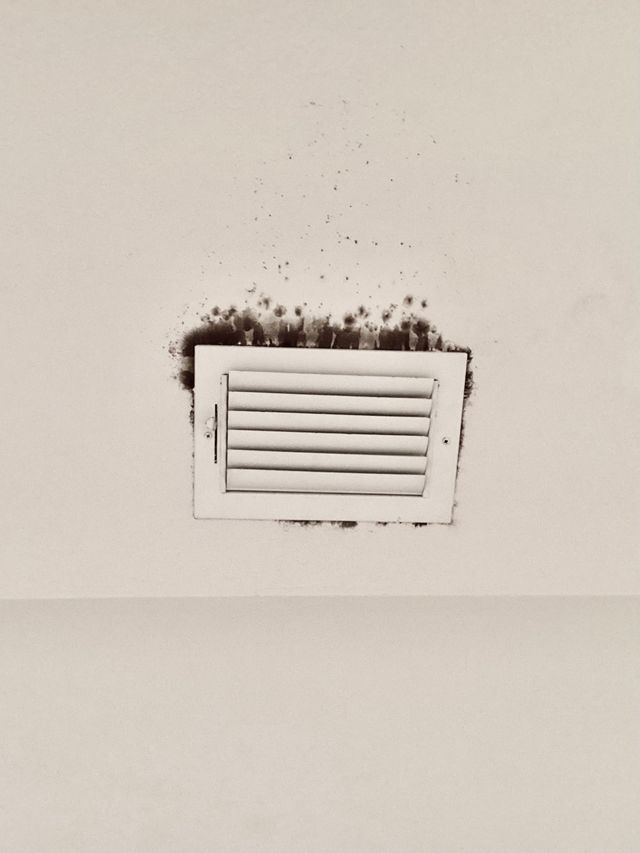
Cooler nights combined with warm indoor air cause condensation on vents, windows, ducts, and exterior walls.
Reduced airflow
Homes are kept closed longer, limiting natural drying and ventilation.
Ongoing ground moisture
High water tables near the river continue feeding moisture upward through slabs and lower walls.
Because growth is slower, mold often goes unnoticed until conditions shift again.
Common Places Mold Appears During Winter in Banana River Homes
Winter mold tends to show up in areas with limited airflow and temperature differences.
- Behind furniture placed against exterior walls
- Inside closets, especially on outside-facing walls
- Around HVAC vents and inside ductwork
- Under flooring on slab foundations
- Behind baseboards along lower walls
- In attics with poor ventilation
These areas may look fine during winter but develop odors or visible growth later.
Why Banana River Homes Are Especially Vulnerable in Winter
Living near the Banana River means moisture exposure doesn’t stop seasonally.
Waterway humidity
The river continuously adds moisture to the surrounding air, even during cooler months.
High water table
Groundwater remains close to the surface, allowing moisture vapor to rise through slabs year-round.
Salt air impact
Salt air continues degrading seals and materials, making winter moisture intrusion easier.
Older construction styles
Many homes weren’t designed for consistent moisture control across seasons.
These factors allow mold to stay active, even when it’s not obvious.
Early Winter Warning Signs Homeowners Overlook
Winter mold often announces itself quietly.
- Musty odors that come and go
- A heavy or damp feeling indoors
- Condensation on windows or vents in the morning
- Peeling paint near baseboards
- Cool, slightly damp flooring
- Mold returning in the same areas year after year
Because these signs are mild, homeowners often delay action until mold becomes visible later.
Why Mold Often “Explodes” in Spring After a Quiet Winter
Many spring mold problems actually start in winter.
- Moisture accumulates slowly during cooler months
- Mold grows behind surfaces without being noticed
- Spring humidity accelerates existing growth
- Mold suddenly becomes visible or odorous
By the time mold is obvious, it’s rarely new — it’s been developing quietly since winter.
Why DIY Mold Cleanup Doesn’t Work for Winter Mold
Winter mold issues are almost always moisture-driven, not surface problems.
DIY cleanup fails because:
- Mold roots remain behind walls and under floors
- Bleach doesn’t penetrate porous materials
- Moisture sources stay active through winter
- Mold regrows when humidity rises
Cleaning what you see doesn’t address what winter conditions created.
How Professional Inspections Identify Winter Mold Issues
Professional inspections focus on patterns and moisture behavior, not just visible growth.
Inspections often include:
- Moisture readings near slab level
- Evaluation of exterior-facing walls
- HVAC condensation checks
- Attic ventilation assessments
- Identification of recurring seasonal patterns
In Banana River homes, inspections frequently reveal winter moisture buildup that explains recurring spring and summer mold.
Mold Removal Merritt Island uses this seasonal insight to diagnose problems accurately rather than treating symptoms.
Preventing Mold During Florida Winters in Banana River Homes
Winter mold prevention is about consistency, not drastic changes.
- Maintain steady indoor temperatures
- Avoid turning AC completely off
- Keep humidity controlled, even in cooler weather
- Allow airflow behind furniture and in closets
- Run bathroom and laundry exhaust fans fully
- Inspect lower walls and flooring periodically
- Address condensation promptly
Small habits during winter can prevent major problems later.
The Role of HVAC Systems in Winter Mold
HVAC systems remain a key factor even in winter.
- Reduced run time allows humidity to linger
- Condensation forms when systems cycle on and off
- Dirty coils and clogged drains worsen moisture issues
Routine maintenance helps prevent winter mold from developing inside the system.
Why Local Banana River Experience Matters
Winter mold in coastal areas behaves differently than inland Florida homes. Local experience matters because professionals understand:
- Winter humidity patterns near the Banana River
- Slab foundation moisture behavior year-round
- Seasonal HVAC condensation cycles
- How winter moisture leads to spring mold
Mold Removal Merritt Island applies this local, seasonal knowledge to help property owners stop mold before it resurfaces.
A Practical Takeaway for Property Owners
Mold doesn’t take a winter break in Banana River homes — it simply grows more quietly. Florida winters create conditions where moisture builds slowly and mold establishes itself out of sight, only to become obvious months later.
For Merritt Island property owners, winter is the best time to inspect, monitor, and control moisture, not ignore it. Managing mold during the quiet season is one of the most effective ways to prevent recurring problems in a riverfront environment where moisture never truly goes away.
