
Mold in Condos in Indian River: What Merritt Island Property Owners Should Know
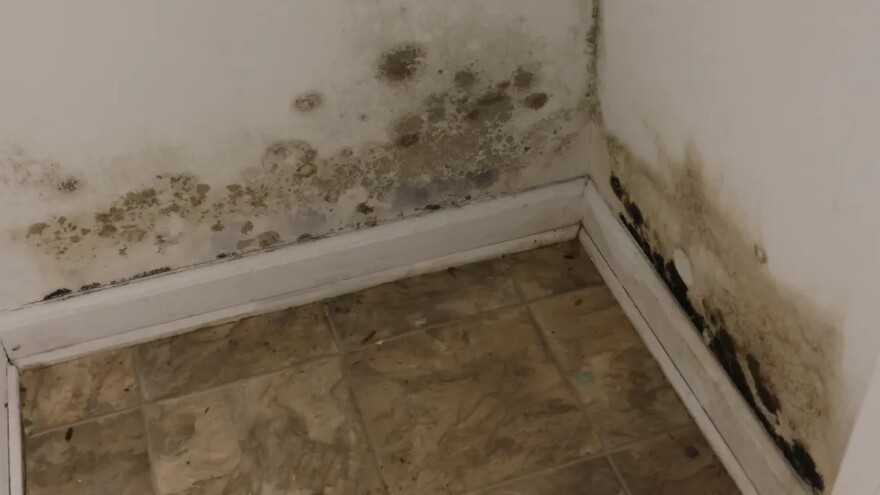
Condo living along the Indian River offers beautiful views, cooling breezes, and a low-maintenance lifestyle that appeals to many Merritt Island property owners. But condos near the water also face a higher risk of mold problems—often hidden, shared between units, and complicated by building design and association responsibilities.
Unlike single-family homes, mold in condos doesn’t always stay confined to one unit. Moisture can move through shared walls, ceilings, floors, and HVAC systems, making early awareness especially important. Understanding how and why mold develops in Indian River condos can help owners protect their units and avoid long-term damage.
What Mold in Indian River Condos Really Is
Mold in condos develops when moisture becomes trapped inside building materials with limited airflow. In coastal condo buildings, that moisture may come from humidity, plumbing systems, roof intrusion, or neighboring units.
Common areas affected include:
- Shared walls and ceilings
- Flooring and subfloors
- Bathrooms and kitchens
- HVAC systems and duct chases
- Closets and utility rooms
- Areas around windows and sliding doors
Because many of these areas are concealed or shared, mold can grow for extended periods before it’s discovered.
Why Condos Near the Indian River Are Especially Vulnerable
Condos along the Indian River face several overlapping moisture challenges.
Persistent coastal humidity
Humidity remains high year-round near the river, allowing moisture to settle inside walls and building cavities.
Shared plumbing systems
Leaks in one unit can affect neighboring units above, below, or beside it—often without immediate visibility.
Limited ventilation
Many condos rely on centralized HVAC systems and have limited natural airflow, allowing moisture to linger.
Salt air exposure
Salt carried from the river accelerates corrosion in plumbing, HVAC components, and fasteners, increasing leak risk.
Storm exposure
Wind-driven rain can force moisture into roofs, exterior walls, balconies, and window systems.
Common Signs Condo Owners Notice
Mold issues in condos often start subtly. Warning signs include:
- Musty or stale odors
- Persistent indoor humidity
- Staining on walls or ceilings
- Warped flooring or baseboards
- Condensation on windows or vents
- Peeling paint or bubbling drywall
In Indian River condos, these signs may appear after storms, plumbing repairs, or prolonged humid weather.
Hidden or Overlooked Mold Sources in Condos
Many mold problems in condos develop in places owners rarely inspect.
Behind shared walls
Moisture from adjacent units can migrate into wall cavities.
Above ceilings
Leaks from upper floors or roof systems often spread unseen.
Under flooring
Moisture can become trapped beneath tile, laminate, or vinyl flooring.
HVAC systems
Shared or individual systems can accumulate condensation and spread moisture.
Balcony and window interfaces
Poor sealing allows moisture intrusion during storms.
Why DIY Mold Fixes Often Fail in Condos
Condo mold problems are rarely simple or isolated.
Surface cleaning misses the source
Mold inside walls, ceilings, or shared spaces remains untreated.
Moisture may originate elsewhere
The source could be another unit or a common building system.
Spore spread risk
Improper cleanup can release spores into shared air spaces.
Incomplete repairs
Replacing finishes without correcting moisture pathways leads to recurring issues.
In condo settings, accurate diagnosis is critical before any cleanup begins.
Professional Mold Inspection and Testing Explained
A professional inspection helps clarify both responsibility and scope.
Visual assessment
Inspectors examine the unit, surrounding areas, and visible building components.
Moisture detection tools
Meters and infrared imaging help locate moisture behind walls, ceilings, and floors.
Targeted sampling when appropriate
Air or surface samples may confirm mold presence and extent.
Clear explanations
Findings are explained clearly, helping owners understand what’s within their unit and what may involve shared systems.
This approach helps prevent unnecessary repairs and confusion.
Proper Mold Removal and Remediation in Condo Units
Effective condo mold remediation follows a careful, controlled process.
Containment
Affected areas are isolated to prevent spore spread to other units.
Selective material removal
Only damaged materials within the affected area are removed.
Thorough cleaning
Surfaces are cleaned using methods appropriate for condo environments.
Moisture correction
Leaks, condensation, or intrusion points are addressed or documented.
Prevention planning
Steps are recommended to reduce future moisture problems.
Mold Removal Merritt Island applies this approach with experience in Indian River condo buildings and shared systems.
How to Reduce Mold Risk in Indian River Condos
While condo owners don’t control every building component, proactive steps help reduce risk.
- Monitor indoor humidity levels
- Report leaks immediately to management
- Use bathroom and kitchen exhaust fans
- Keep HVAC systems maintained
- Avoid blocking airflow with furniture
- Inspect windows and doors regularly
- Schedule inspections after storms
Early action is especially important in shared living environments.
Why Local Indian River Condo Experience Matters
Mold in Indian River condos differs from inland or single-family properties. Local experience means understanding:
- Coastal humidity patterns
- Salt air corrosion effects
- Shared plumbing and HVAC layouts
- Storm-related moisture intrusion
- Common condo construction styles in Merritt Island
This local knowledge leads to faster identification and more accurate remediation decisions.
A Practical Next Step for Condo Owners
If your condo has musty odors, moisture issues, or visible staining, it’s worth having the situation evaluated early. Mold in condo buildings can spread quietly and become more complex over time.
A professional inspection can identify the source, explain the scope clearly, and outline practical options—without pressure or alarm. For Indian River condo owners, early evaluation helps protect the unit, maintain indoor air quality, and avoid larger building-wide issues.
