
Mold in Commercial Properties in South Merritt Island: What Merritt Island Property Owners Should Know
Commercial buildings in South Merritt Island—from offices and retail spaces to warehouses and professional suites—face many of the same mold risks as residential properties, but often on a larger scale. Higher occupancy, complex HVAC systems, and larger roof and plumbing systems can all increase the chances of moisture problems developing over time.
Because businesses depend on clean, safe environments for employees, customers, and tenants, mold in commercial properties can quickly become a serious concern. Understanding why mold develops, where it commonly appears, and how it is addressed helps property owners protect their buildings and maintain healthy indoor conditions.
Why Mold Problems Occur in Commercial Buildings
Mold grows when moisture and organic materials are present. Commercial properties in South Merritt Island often face conditions that encourage mold growth, including:
- Persistent coastal humidity
- Frequent storms and heavy rain
- Large HVAC systems that produce condensation
- Roof drainage or flashing issues
- Plumbing systems serving multiple units
Buildings near the Banana River, Indian River, and surrounding waterways often experience higher baseline humidity than inland areas, which means even small moisture issues can allow mold to develop.
Common Areas Mold Appears in Commercial Properties
Commercial buildings have several locations where mold is more likely to develop.
Typical problem areas include:
- HVAC systems and ductwork
- Drop ceilings and ceiling tiles
- Storage rooms and supply closets
- Restrooms and break rooms
- Around windows and exterior walls
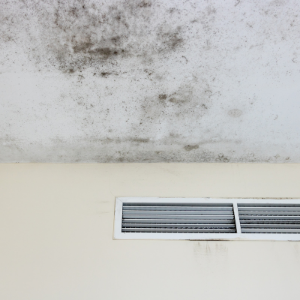
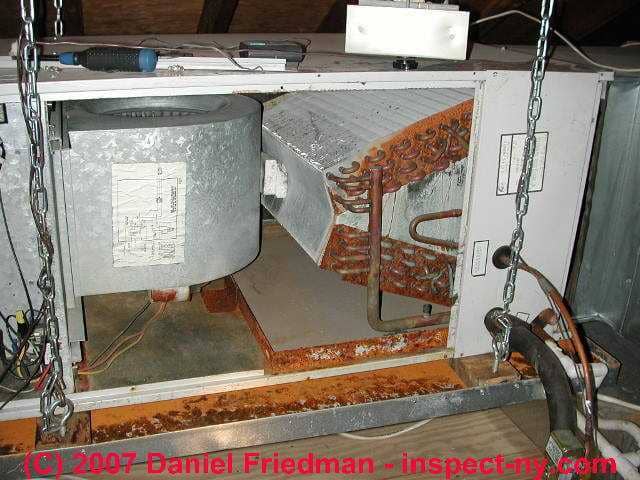

These areas often experience limited airflow or hidden moisture, making them common starting points for mold growth.
Early Signs of Mold in Commercial Spaces
Mold in commercial buildings often begins subtly. Property managers, tenants, or employees may notice:
- Musty or damp odors
- Staining on ceiling tiles
- Peeling paint near vents or windows
- Condensation on ducts or walls
- Increased humidity indoors
Because commercial buildings are larger, odors may be noticed before visible mold appears.
Why South Merritt Island Commercial Properties Are Vulnerable
Several local environmental factors contribute to mold risks in commercial buildings.
High humidity year-round
Moist coastal air increases indoor humidity, especially in buildings with frequent door openings or heavy foot traffic.
Frequent storms and rain
Flat or low-slope commercial roofs are particularly vulnerable to water intrusion if drainage systems are not maintained.
Continuous HVAC operation
Large air-conditioning systems remove moisture but can also create condensation around ducts, coils, and drain lines.
Waterfront exposure
Buildings near canals and waterways often experience slower drying after storms or leaks.
These conditions make routine inspections essential for preventing mold problems.
Hidden Mold in Commercial Buildings
One of the biggest challenges with commercial mold issues is that growth often occurs in concealed areas.
Common hidden locations include:
- Above drop ceilings
- Inside ductwork
- Behind wall panels or drywall
- Under flooring in restrooms or kitchens
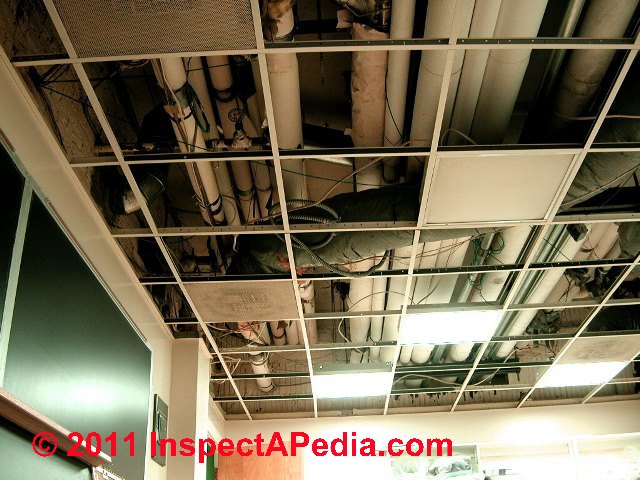


Because these areas are not visible during daily operations, mold may spread before it is discovered.
How Mold Can Affect Commercial Properties
Mold can create several challenges for commercial property owners.
Possible impacts include:
- Tenant complaints about odors or air quality
- Damage to building materials
- Increased maintenance and repair costs
- Disruptions to business operations
Even minor mold problems can affect comfort and productivity in office or retail environments, which is why early detection is important.
Why DIY Mold Removal Is Risky in Commercial Settings
Cleaning visible mold in a commercial space may seem straightforward, but surface cleaning rarely solves the root problem.
DIY removal often fails because:
- Moisture sources remain unresolved
- Hidden mold continues growing
- HVAC systems may spread spores
- Large areas require containment and filtration
Commercial buildings often require specialized equipment and procedures to ensure mold is removed safely and effectively.
How Professional Mold Inspection Helps Commercial Owners
A professional mold inspection focuses on identifying both visible growth and underlying moisture sources.
Typical steps include:
Visual inspection
Checking ceilings, HVAC systems, restrooms, storage rooms, and roof access points.
Moisture detection
Using meters and imaging tools to locate damp materials behind walls or ceilings.
Air sampling when needed
Testing may be recommended to evaluate indoor air conditions in larger buildings.
Professionals familiar with local conditions, such as Mold Removal Merritt Island, understand how humidity, roof systems, and HVAC configurations affect commercial properties in South Merritt Island.
What Commercial Mold Remediation Involves
When mold is confirmed, remediation focuses on removing contamination while minimizing disruption to business operations.
Typical steps include:
- Containment of affected areas
- Air filtration and cleaning
- Removal of contaminated materials
- Correction of moisture sources
- Drying and monitoring

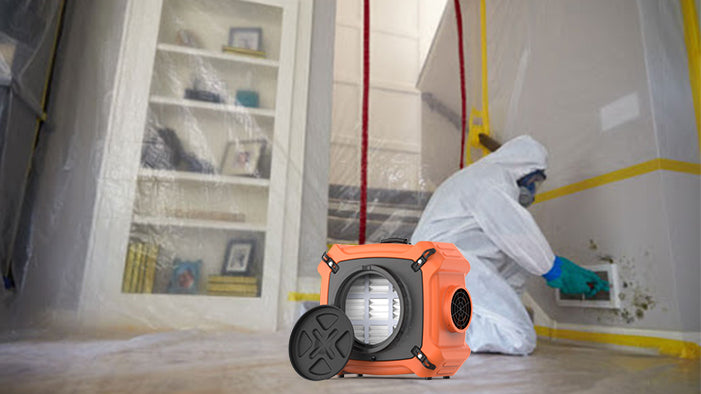
Proper remediation helps prevent mold from returning and protects indoor air quality.
Preventing Mold in Commercial Buildings
Preventive maintenance is the most effective way to reduce mold risks.
Property owners and managers can reduce problems by:
- Servicing HVAC systems regularly
- Inspecting roofs and drainage systems
- Monitoring indoor humidity levels
- Checking ceiling tiles for stains
- Repairing plumbing leaks promptly
- Ensuring adequate ventilation in restrooms and kitchens
Routine inspections often prevent small issues from becoming larger repairs.
The Importance of Maintenance Schedules
Commercial properties benefit from structured maintenance routines.
Helpful practices include:
- Quarterly HVAC inspections
- Seasonal roof checks
- Regular inspection of ceiling spaces and mechanical rooms
- Monitoring humidity in large interior spaces
These steps help identify moisture issues early, before mold becomes visible.
Why Local Experience Matters in South Merritt Island
Commercial mold issues in coastal Brevard County differ from those in inland regions. Buildings in South Merritt Island often experience:
- Higher humidity levels
- Salt air affecting building materials
- Continuous AC operation
- Storm-related water intrusion
Professionals familiar with these conditions can identify moisture sources quickly and recommend solutions suited to local buildings.
Local knowledge often helps prevent recurring problems and ensures remediation efforts are effective.
A Calm, Practical Next Step
Mold in commercial properties is a manageable issue when addressed early. Most problems begin with moisture—roof leaks, condensation, or humidity—and identifying these sources quickly helps prevent larger damage.
If you notice musty odors, ceiling stains, or persistent humidity in a commercial space, having the building evaluated can help determine whether mold is present and what steps are needed. Early action often reduces repair costs and prevents disruptions to business operations.
For property owners and managers in South Merritt Island and throughout Brevard County, staying proactive with inspections and maintenance is the most reliable way to keep commercial buildings safe, clean, and well maintained year-round.
