
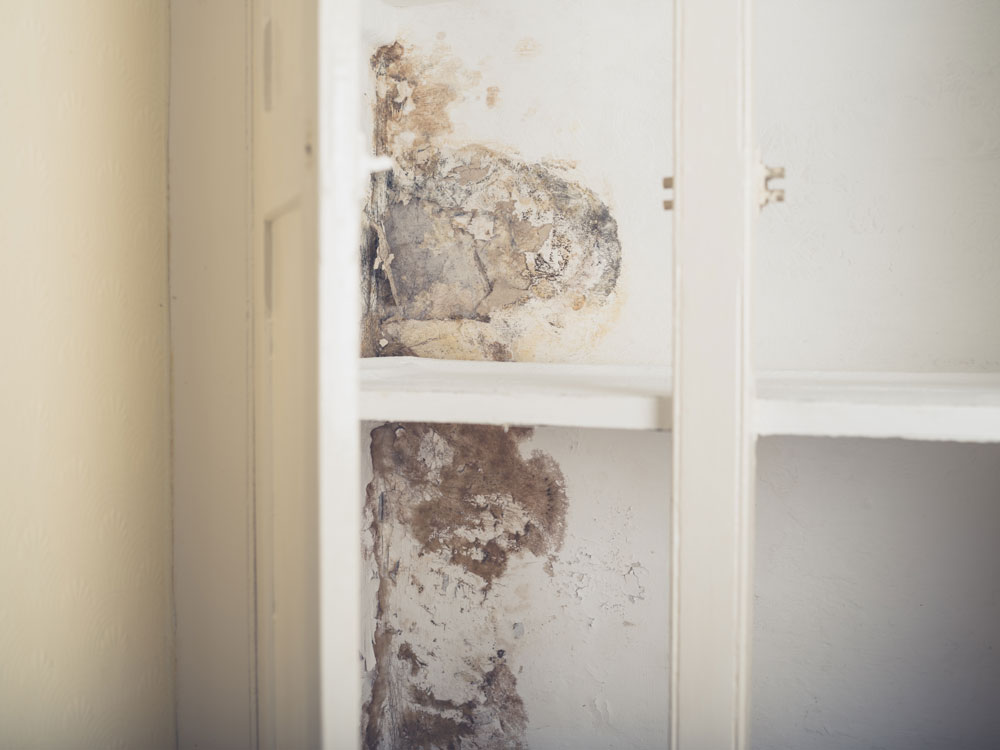
Mold in Closets in South Merritt Island: What Merritt Island Property Owners Should Know
Closets in South Merritt Island are small, enclosed, and rarely ventilated—which makes them one of the most common hidden mold locations in homes around Merritt Island. If you’ve ever opened a closet and smelled something musty, noticed clothes feeling damp, or spotted discoloration on walls, that’s not “old house smell.” That’s moisture—and mold is usually close behind.
Here’s what property owners need to know about why closets mold so easily, where growth hides, how it affects indoor air quality, and what actually fixes the problem.
Why Closets Mold So Easily in South Merritt Island
Closets are almost designed to fail in humid coastal climates.
Local factors make the problem worse:
- High year-round humidity
- Limited or zero airflow
- Cool indoor air meeting warm exterior walls
- Closets placed on exterior walls
- Clothes and boxes blocking circulation
Unlike kitchens or bathrooms, closets don’t have exhaust fans. Once humid air gets trapped inside, it stays there. Mold doesn’t need a leak—it just needs moisture that doesn’t go anywhere.
How Mold Starts in Closets
Mold needs three things:
- Moisture
- Organic material
- Time
Closets provide all three.
Moisture comes from humid air, AC temperature differences, or moisture migrating through exterior walls. Organic material comes from drywall paper, wood framing, dust, clothing, cardboard boxes, and shoes. Time comes from closets being closed most of the day.
Once humidity stays above about 60 percent, mold can begin growing within 24–48 hours—often behind clothes where no one sees it.
Common Causes of Closet Mold
Poor Air Circulation
Closed doors, packed shelves, and tightly hung clothes block airflow. Cool air can’t circulate, so moisture settles on walls and fabrics.
Exterior Wall Condensation
Closets placed on exterior walls are especially vulnerable. Warm, humid outdoor air meets cooler interior surfaces, causing condensation inside the wall cavity and on drywall.
AC-Related Humidity Issues
If the AC system isn’t removing enough humidity—or if ducts leak nearby—closets become moisture traps. This is common in bedrooms where vents are far from closets.
Storage Choices
Cardboard boxes, fabric bins, and shoes absorb humidity and hold it. Mold often starts behind stored items pressed against walls.
Minor Hidden Water Intrusion
Small roof, window, or flashing issues can introduce moisture into wall cavities behind closets with no visible signs—until mold appears inside.
Where Mold Commonly Hides in Closets
Closet mold is often hidden until it’s well established.
Check these areas closely:
- Behind hanging clothes
- On lower drywall near baseboards
- In upper corners where air stagnates
- On exterior-facing walls
- On shelving supports and wood trim
- Inside stored boxes and shoes
Visible spots are usually just the surface. Mold frequently extends behind drywall or into insulation.
Why Closet Mold Is a Bigger Deal Than It Looks
Closet mold isn’t contained to the closet.
Here’s why it matters:
- Mold spores circulate into bedrooms and living spaces
- Clothes and fabrics trap spores and spread them
- Musty odors migrate throughout the house
- Indoor air quality declines without visible mold elsewhere
In South Merritt Island homes, closet mold is a common source of unexplained allergy and respiratory symptoms.
Health Concerns Linked to Closet Mold
Mold releases spores into the air. In sleeping areas, that exposure adds up.
Common symptoms include:
- Nasal congestion or sneezing
- Persistent coughing or throat irritation
- Sinus pressure or headaches
- Worsening asthma or allergy symptoms
If symptoms improve when you leave the house or worsen at night, bedroom and closet mold should be on your checklist.
Warning Signs Property Owners Shouldn’t Ignore
Closet mold often gives early clues.
Visual Clues
- Dark spotting on walls or ceilings
- Discoloration behind clothes
- Bubbling or peeling paint
Odors
- Musty or damp smell when opening the door
- Odors that return quickly after cleaning
Clothing Clues
- Clothes feeling damp or smelling musty
- Mold spots on shoes, bags, or fabric items
If you notice any of these, mold inspection is worth considering—especially if the issue keeps coming back.
Why Wiping the Wall Usually Doesn’t Work
This is where many property owners get stuck.
Cleaning visible mold without fixing moisture:
- Removes surface growth only
- Leaves damp drywall and insulation behind
- Allows mold to regrow quickly
Bleach and household cleaners don’t solve humidity problems. If moisture remains, mold returns—often worse.
What Property Owners Should Do
Step 1: Reduce Moisture
- Keep closet doors open when possible
- Avoid overpacking clothes and shelves
- Remove cardboard and fabric storage
- Keep items off exterior walls
Step 2: Improve Airflow
- Add louvered closet doors if feasible
- Use small circulation fans periodically
- Ensure nearby AC vents are functioning properly
Step 3: Control Humidity
- Keep indoor humidity between 30–50%
- Use a dehumidifier if needed
- Address AC sizing or drainage issues
Step 4: Address Mold Properly
Small, surface-level mold may be cleaned carefully if the area is fully dried. Larger or recurring growth needs professional evaluation—especially if walls feel soft or odors persist.
When to Call Mold Professionals
Professional help is recommended if:
- Mold covers more than a small area
- Growth keeps returning
- You smell mold but can’t see it
- Exterior walls are involved
- Anyone in the household has respiratory conditions
Professional remediation may include:
- Containment to prevent spread
- Removal of contaminated drywall or insulation
- HEPA air filtration
- Moisture correction
Cutting corners almost always leads to repeat problems.
Insurance Considerations
Closet mold coverage depends on the cause:
- Sudden water damage may be covered
- Long-term humidity issues usually aren’t
- Mold coverage may be limited
If water intrusion is suspected, document it early and notify your insurer promptly.
Preventing Closet Mold Long-Term
Simple habits make a big difference:
- Keep closet humidity low
- Inspect walls indicated quarterly
- Don’t store damp clothing or shoes
- Address musty smells immediately
- Maintain AC and ventilation systems
Closets don’t have to smell damp or grow mold—they just need airflow and moisture control.
Final Takeaways for South Merritt Island Property Owners
Closet mold is common in South Merritt Island, but it’s not harmless.
Key points to remember:
- Closets are high-risk mold zones
- Mold often hides behind clothes and walls
- Moisture control is the real fix
- Early action prevents costly remediation
- Professional help is often the smartest move
If your closets smell musty, your clothes feel damp, or stains keep reappearing, that’s not something to ignore. Catching closet mold early protects your air quality, your belongings, and your home’s value.
If you want help figuring out where mold is most likely hiding, whether cleanup is enough, or what to do next, just say the word.
