
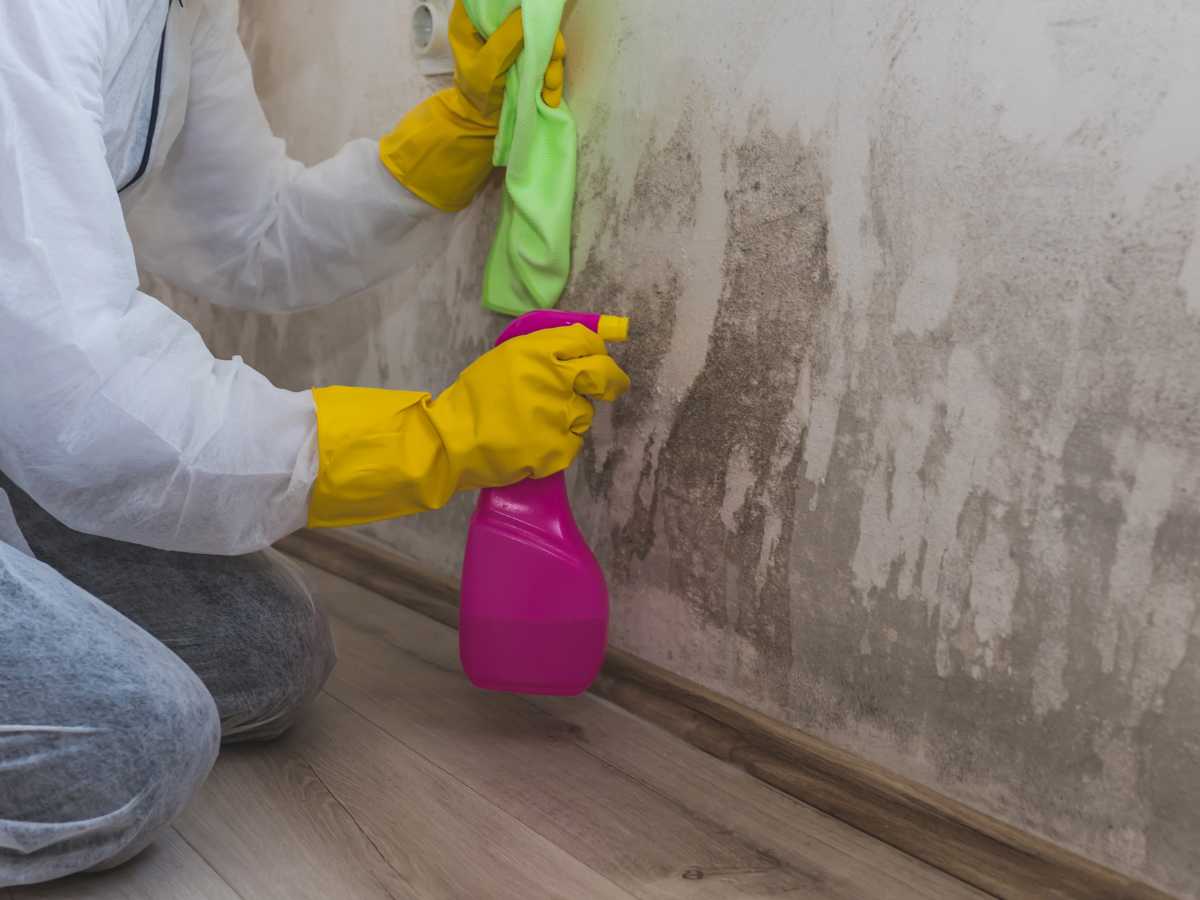
 Mold in Bathrooms in Sykes Creek: What Merritt Island Property Owners Should Know
Bathrooms are one of the most common places mold develops in homes, and in coastal areas like Sykes Creek, the conditions that encourage mold are present almost year-round. Warm temperatures, frequent humidity, and daily moisture from showers and sinks can create the perfect environment for mold growth if ventilation and maintenance are not consistent.
For homeowners in Merritt Island, understanding why mold forms in bathrooms, how to recognize the warning signs, and how to prevent it helps protect both indoor air quality and building materials.
Why Bathrooms Are Prone to Mold
Bathrooms naturally produce moisture. Every shower, bath, or use of hot water releases humidity into the air. If that moisture is not removed quickly through ventilation or drying, it can settle on walls, ceilings, and grout.
Mold grows when three conditions are present:
- Moisture
- Warm temperatures
- Organic material such as drywall, paint, wood, or dust
Because bathrooms regularly meet all three conditions, mold growth can begin in a short time if moisture remains trapped.
Why Mold Problems Are Common in Sykes Creek Bathrooms
Bathrooms in Sykes Creek and surrounding Merritt Island communities face additional environmental factors that increase mold risks.
Coastal humidity
Moist air from nearby waterways keeps indoor humidity elevated much of the year.
Frequent storms and rain
High humidity after storms can slow drying, especially in bathrooms without strong ventilation.
Continuous air-conditioning use
AC systems help control humidity but may not remove moisture quickly in enclosed spaces like bathrooms.
Older ventilation systems
Some homes rely on small exhaust fans or windows that do not fully remove moisture.
Because of these conditions, bathrooms in coastal homes often require extra attention to prevent mold.
Common Places Mold Appears in Bathrooms
Bathroom mold often develops in predictable areas where moisture lingers.
Typical locations include:
- Ceiling corners and above showers
- Grout lines and tile edges
- Around bathtubs and sinks
- Behind toilets
- Around exhaust fans or vents


Because these areas are exposed to water and humidity daily, mold can develop gradually over time.
Early Signs of Bathroom Mold
Mold does not always appear suddenly. Often, early warning signs appear before growth becomes obvious.
Homeowners may notice:
- Musty or damp odors
- Dark spots on grout or caulking
- Discoloration on ceilings
- Peeling paint or bubbling drywall
- Condensation that lingers after showers
Catching these signs early can prevent larger problems later.
Hidden Mold in Bathroom Areas
Some bathroom mold grows in places that are not immediately visible.
Hidden mold may develop:
- Behind tile or wall panels
- Under flooring near tubs or showers
- Inside vanity cabinets after plumbing leaks
- Inside walls around shower plumbing
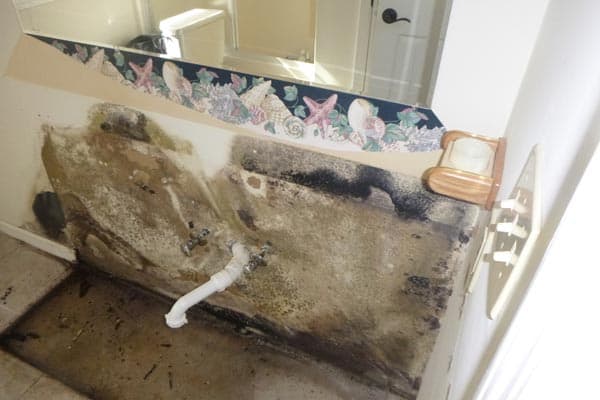
Because moisture can remain trapped behind surfaces, mold may spread quietly before visible signs appear.
Why Bathroom Mold Should Not Be Ignored
Mold in bathrooms may start small, but if moisture continues, it can spread and affect building materials.
Over time, mold can:
- Damage drywall and paint
- Stain tile and grout
- Affect cabinetry and wood trim
- Create persistent odors
Addressing mold early is usually simpler and less disruptive than waiting until it spreads.
Why DIY Cleaning Sometimes Fails
Many homeowners try to remove bathroom mold using household cleaners or bleach. While this may remove visible staining, it often does not address the underlying moisture problem.
DIY cleaning may fall short because:
- Moisture remains behind surfaces
- Mold inside drywall or subflooring is not removed
- Ventilation problems are not corrected
- Mold may return in the same location
When mold keeps returning, it usually indicates a moisture issue that needs further evaluation.
How Professional Mold Inspection Helps
A professional inspection helps determine:
- Whether mold is limited to the surface
- Whether hidden moisture is present
- Whether building materials are affected
Inspectors often use:
- Moisture meters
- Thermal imaging
- Visual inspection of plumbing and ventilation
Professionals familiar with local conditions, such as Mold Removal Merritt Island, understand the humidity patterns and construction styles common in Sykes Creek homes, which helps identify problems accurately.
How Mold Remediation Works in Bathrooms
If mold growth is extensive or recurring, remediation may be recommended.
Typical steps include:
- Containing the affected area
- Removing mold-damaged materials when necessary
- Cleaning and drying the area
- Correcting moisture sources such as leaks or poor ventilation

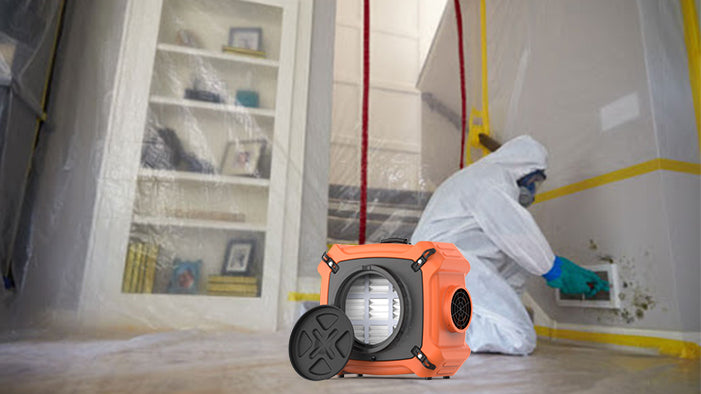

Correcting the moisture source is the most important step in preventing mold from returning.
How to Prevent Mold in Bathrooms
Preventive maintenance is the most effective way to reduce mold risks in bathrooms.
Helpful steps include:
- Running exhaust fans during and after showers
- Leaving doors open to improve airflow
- Wiping down wet surfaces when possible
- Repairing plumbing leaks promptly
- Replacing worn caulking or grout
- Keeping indoor humidity between 45–55%
These simple habits can significantly reduce moisture buildup.
The Importance of Ventilation in Coastal Homes
Ventilation plays a major role in preventing bathroom mold. Bathrooms without strong airflow may trap moisture for hours after use.
Improving ventilation may include:
- Upgrading exhaust fans
- Ensuring fans vent outdoors
- Cleaning fan ducts regularly
- Using dehumidifiers in humid seasons
Proper airflow helps bathrooms dry faster and prevents mold from forming.
Why Local Experience Matters in Sykes Creek
Mold behavior in coastal Brevard County differs from inland regions. Homes in Sykes Creek often experience:
- Higher baseline humidity
- Slower drying after showers and storms
- Salt air exposure affecting materials
- Continuous AC operation
Professionals familiar with these local conditions can diagnose moisture problems more quickly and recommend solutions suited to coastal homes. Local experience often helps prevent recurring mold issues.
A Calm, Practical Next Step
Mold in bathrooms is common, especially in humid coastal areas, but most problems can be managed effectively when addressed early. Regular cleaning, proper ventilation, and prompt repairs help prevent mold from spreading.
If you notice musty odors, recurring spots on grout, or stains on ceilings, having the area evaluated can help determine whether mold is present and what steps may be needed.
For homeowners in Sykes Creek and throughout Merritt Island, staying proactive with ventilation and moisture control remains one of the most reliable ways to keep bathrooms clean, dry, and well maintained year-round.
