
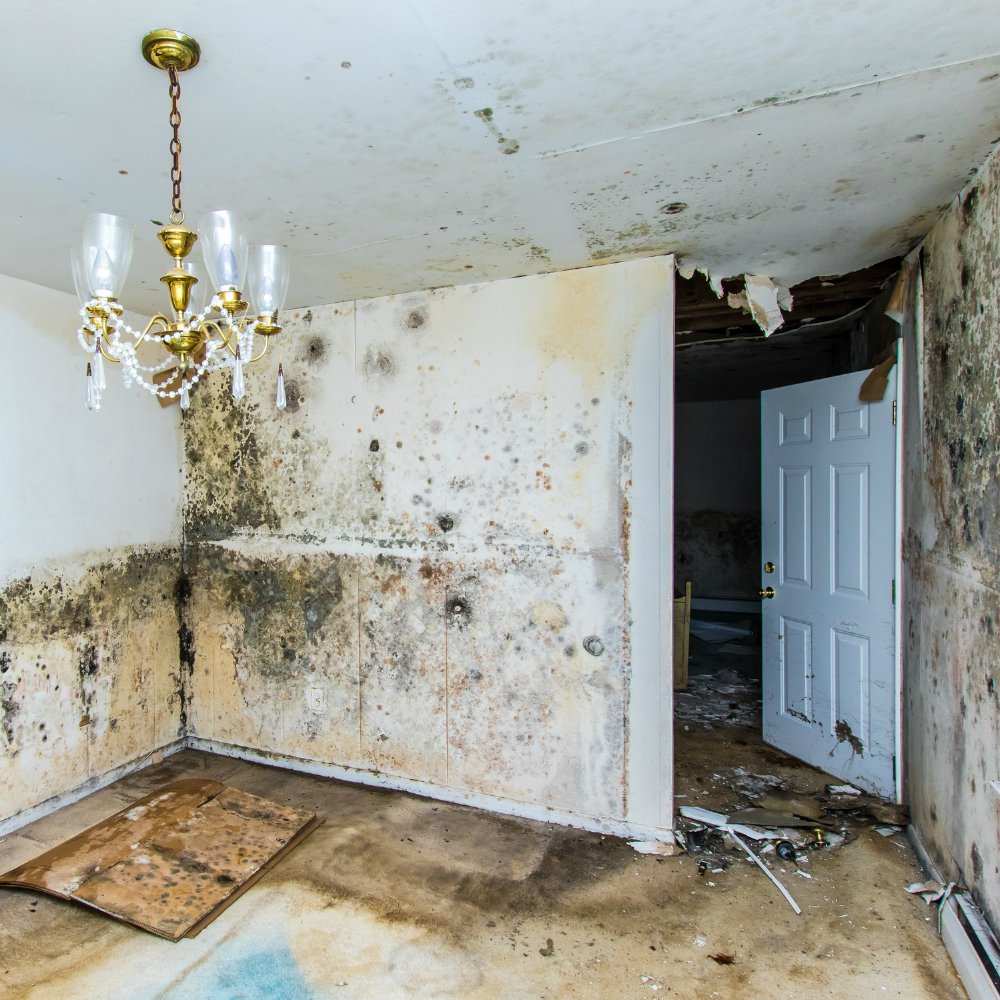
Mold in Apartments in Banana River: What Merritt Island Property Owners Should Know
Apartments along the Banana River offer some of the most desirable living spaces in Merritt Island. Water views, coastal breezes, and proximity to the lagoon make these properties attractive to tenants and investors alike. But apartment buildings in this area also face persistent mold challenges that are different from single-family homes.
For property owners and managers, mold in apartments can be especially complicated. Multiple units, shared walls, shared systems, and high tenant turnover all increase the chances that moisture issues go unnoticed until mold becomes visible. In Banana River apartments, mold problems are rarely about poor cleaning. They’re almost always tied to humidity, shared construction, and moisture moving through the building.
Understanding how and why mold develops in apartments near the Banana River helps owners protect their properties, reduce complaints, and avoid repeat remediation.
What the Mold Issue Is in Banana River Apartments
Mold in apartments usually isn’t isolated to one surface or one unit. Because apartments share walls, floors, ceilings, plumbing lines, and sometimes HVAC systems, moisture can travel in ways that aren’t obvious.
In Banana River apartment buildings, mold commonly develops when:
- Moisture from one unit affects another
- Humid coastal air becomes trapped indoors
- Plumbing leaks stay hidden between units
- HVAC condensation spreads moisture building-wide
This can result in mold appearing in one apartment while the true moisture source is somewhere else entirely.
Why This Happens So Often in Banana River
Apartments near the Banana River face several overlapping risk factors.
Constant Lagoon Humidity
Proximity to the Banana River means elevated humidity levels day and night. Even during dry weather, moisture remains in the air and slows evaporation inside buildings.
Shared Construction and Systems
Apartment buildings share:
- Walls and ceilings
- Plumbing chases
- Mechanical systems
- Roof and attic spaces
Moisture doesn’t stay contained. A slow leak or humidity issue in one area can affect multiple units.
High Water Tables
Many Banana River properties sit over high water tables. Ground moisture can migrate upward through slabs, especially affecting ground-floor apartments.
Storms and Wind-Driven Rain
Coastal storms can push water into roof systems and exterior walls. Upper-floor units and corner units are often the first to show signs, but moisture may spread internally.
Common Signs Apartment Owners and Managers Notice
Mold issues in apartments often show consistent patterns.
- Repeated tenant complaints about musty odors
- Mold returning after cleaning or repainting
- Visible growth near baseboards, vents, or ceilings
- Bubbling paint or soft drywall
- Condensation on windows or AC vents
- Units that feel damp even with AC running
When multiple units report similar issues, humidity or shared moisture sources are usually involved.
Hidden or Overlooked Mold Sources in Apartments
Some of the most serious mold issues in apartments stay hidden for long periods.
Shared Walls and Ceilings
Plumbing leaks or condensation inside wall cavities can feed mold growth without visible signs until drywall becomes damaged.
HVAC Systems
Apartment HVAC systems—especially compact or centralized units—are frequent mold sources. Drain pan overflow, clogged lines, and duct insulation contamination are common in coastal buildings.
Under Flooring
In slab-based apartment buildings, moisture can migrate upward and become trapped beneath laminate, vinyl plank, or carpet padding, especially on lower floors.
Attics and Roof Cavities
Top-floor apartments may be affected by attic condensation or roof leaks that allow moisture to spread downward.
Closets and Enclosed Spaces
Limited airflow combined with coastal humidity makes closets a common mold hotspot in apartments.
Why DIY Mold Removal Usually Fails in Apartments
DIY mold cleanup is rarely effective in apartment buildings and often makes matters worse.
Common problems include:
- Cleaning visible mold while moisture remains hidden
- Spreading spores into shared airspaces
- Failing to identify leaks from neighboring units
- Ignoring HVAC or building-wide humidity issues
In apartments, mold is often a building systems issue, not just a surface problem in one unit.
Professional Mold Inspection & Testing Explained
A proper apartment mold inspection looks at the bigger picture.
Visual Inspection
Inspectors evaluate baseboards, ceilings, shared walls, HVAC components, bathrooms, kitchens, closets, and exterior-facing areas.
Moisture Detection
Professional tools help locate:
- Damp drywall and insulation
- Moisture beneath flooring
- Condensation patterns
- Elevated humidity zones
This helps determine whether mold is isolated or part of a broader building issue.
Mold Testing When Relevant
Testing may be recommended when mold is suspected but not visible, documentation is required, or post-remediation verification is needed. Results are explained clearly and used to support inspection findings.
Proper Mold Removal & Remediation in Apartments
Effective remediation in Banana River apartments requires a coordinated approach.
Containment
Affected units or areas are isolated to prevent mold spores from spreading to adjacent apartments.
Safe Removal of Contaminated Materials
Porous materials such as drywall, insulation, or flooring are removed when they cannot be safely dried.
Moisture Source Correction
This may include:
- Repairing plumbing leaks
- Correcting HVAC condensation issues
- Improving ventilation
- Addressing roof or exterior wall intrusion
Drying and Verification
Moisture levels are confirmed stable before repairs or rebuilding begin.
Skipping moisture correction almost guarantees mold will return.
How to Prevent Mold in Banana River Apartment Buildings
Prevention requires proactive building management.
- Monitor indoor humidity across units
- Maintain HVAC systems and drain lines regularly
- Inspect roofs, attics, and exterior walls after storms
- Address leaks immediately, even minor ones
- Encourage proper use of bathroom and kitchen exhaust fans
- Avoid sealing moisture inside units with improper repairs
Routine inspections are far more effective than reactive cleanup.
Why Local Merritt Island Experience Matters
Apartment buildings near the Banana River behave differently than inland properties. Lagoon humidity, salt air exposure, shared construction, and storm patterns all influence moisture behavior.
A local company like Mold Removal Merritt Island understands:
- How mold spreads in apartment buildings near waterways
- Where moisture typically enters Banana River properties
- How to distinguish unit-specific issues from building-wide problems
Local experience leads to faster diagnosis and fewer repeat complaints.
A Calm, Practical Next Step for Apartment Owners and Managers
Mold in apartments doesn’t mean a property is failing—but it does mean moisture needs closer attention. In Banana River apartment buildings, humidity and shared systems make early detection especially important.
If you’re dealing with recurring mold, tenant complaints, or unexplained moisture in one or more units, a professional evaluation can help determine whether the issue is isolated or part of a larger building concern.
Mold Removal Merritt Island works with apartment owners, landlords, and property managers throughout Banana River, Merritt Island, and surrounding Brevard County communities to assess mold issues responsibly and help prevent them from returning.
In coastal apartment living, understanding how moisture moves through the building is the key to protecting both your investment and your tenants.
