
Mold in Airbnb Properties in Merritt Island: What Merritt Island Property Owners Should Know
Short-term rentals and Airbnb properties have become increasingly popular across Merritt Island. Visitors come for boating, fishing, waterfront views, and proximity to the Banana River, Indian River, and nearby beaches. But while vacation rentals can be rewarding investments, they also face a maintenance challenge that many owners underestimate: mold.
Florida’s coastal climate makes mold a common issue, and Airbnb properties can be especially vulnerable because of guest turnover, varying thermostat settings, and periods of vacancy. Understanding how mold develops in short-term rentals—and how to prevent it—helps property owners protect both their investment and guest experience.
Why Mold Is Common in Airbnb Properties
Airbnb homes often experience conditions that increase the risk of mold compared to full-time residences.
Frequent guest turnover
Guests may turn off the air conditioning, open windows in humid weather, or leave bathrooms damp after showers. These small changes can quickly raise indoor humidity.
Vacancy between bookings
When properties sit empty, leaks or moisture issues may go unnoticed until odors or staining appear.
High humidity near waterways
Properties near Sykes Creek, the Banana River, or the Indian River are constantly exposed to humid coastal air.
Heavy use of bathrooms and kitchens
Frequent showers, laundry, and cooking increase indoor moisture, especially if ventilation is limited.
These factors mean mold can develop quickly if moisture is not controlled consistently.
Common Areas Mold Appears in Airbnb Homes
In Merritt Island vacation rentals, mold often develops in predictable locations where humidity and moisture collect.
Typical areas include:
- Bathrooms and shower ceilings
- Closets and storage areas
- HVAC air handlers and drain lines
- Attics with limited ventilation
- Under sinks and around appliances
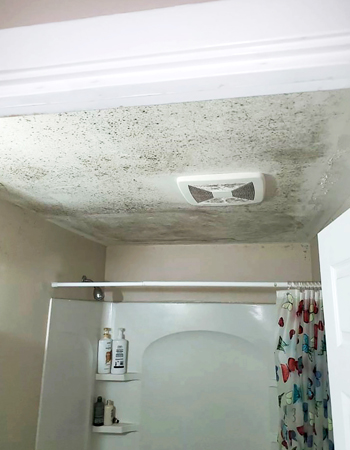
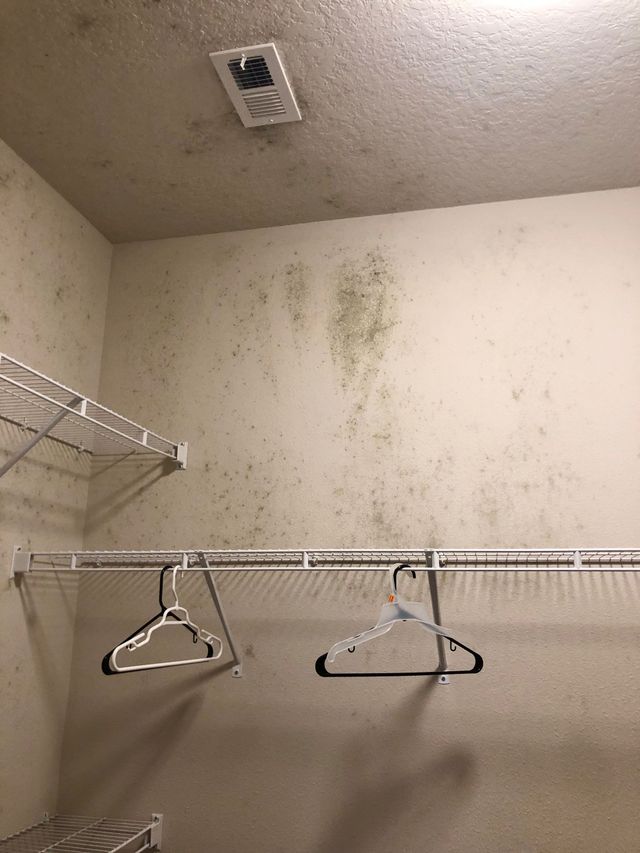

These areas may not always be checked during routine cleaning, allowing mold to grow unnoticed.
Early Warning Signs Owners or Cleaners May Notice
Airbnb hosts often rely on cleaning crews to spot maintenance issues. Recognizing early warning signs helps prevent small problems from becoming larger ones.
Signs may include:
- Musty or damp odors when entering the home
- Condensation on windows or walls
- Dark spotting near vents or baseboards
- Peeling or bubbling paint
- Rooms that feel humid even with AC running
Odors are often the first sign of a moisture issue, even before visible mold appears.
Why Mold Problems Are Common in Merritt Island
Coastal Florida naturally creates ideal conditions for mold growth.
Important contributing factors include:
Year-round humidity
Outdoor humidity often stays high, and indoor levels can rise quickly if air conditioning is interrupted.
Frequent storms and heavy rain
Wind-driven rain or small roof leaks may allow moisture into attics or walls.
Air-conditioning condensation
Clogged drain lines or duct leaks can create hidden moisture around HVAC equipment.
Salt air exposure
Salt air can gradually affect roofing, vents, and exterior materials, increasing the likelihood of small leaks.
These conditions affect homes throughout North Merritt Island, South Merritt Island, and waterfront neighborhoods.
Hidden Mold Sources in Short-Term Rentals
One challenge with Airbnb properties is that mold often grows in areas guests never see.
Common hidden locations include:
- Behind drywall after minor leaks
- Under flooring in kitchens or bathrooms
- Inside attic insulation
- Around ductwork and air handlers


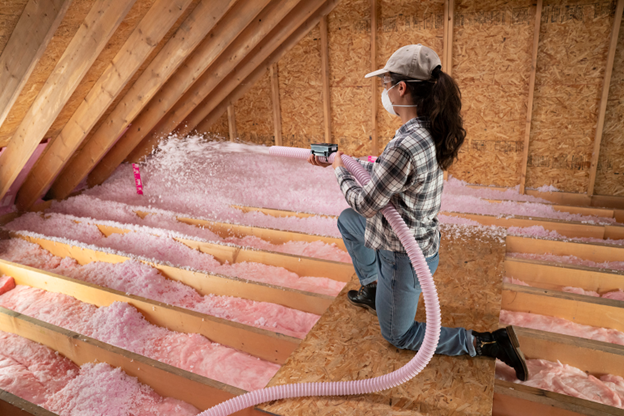
Because these areas are concealed, mold can spread quietly until odors or visible damage appear.
How Mold Can Affect Airbnb Rentals
Mold can impact short-term rentals in several ways beyond structural damage.
Possible effects include:
- Guest complaints about odors
- Lower ratings or negative reviews
- Cancellations or refunds
- Increased cleaning and repair costs
Even small mold issues can affect guest perception, which makes early detection important.
Why DIY Mold Cleaning Often Isn’t Enough
When mold appears between guest stays, owners sometimes attempt quick cleaning to keep the property available. While surface cleaning may remove visible spots, it often does not address the underlying cause.
DIY cleaning may fail because:
- Moisture sources remain
- Mold inside porous materials is not removed
- Spores spread during cleaning
- Hidden growth continues unnoticed
In humid coastal environments, moisture control is essential to prevent recurrence.
How Professional Mold Removal Helps Airbnb Properties
Professional mold removal focuses on solving the root problem rather than just cleaning surfaces.
Typical steps include:
- Inspection and moisture detection
- Containment to prevent spore spread
- Removal of contaminated materials when necessary
- Cleaning and air filtration
- Correction of moisture sources
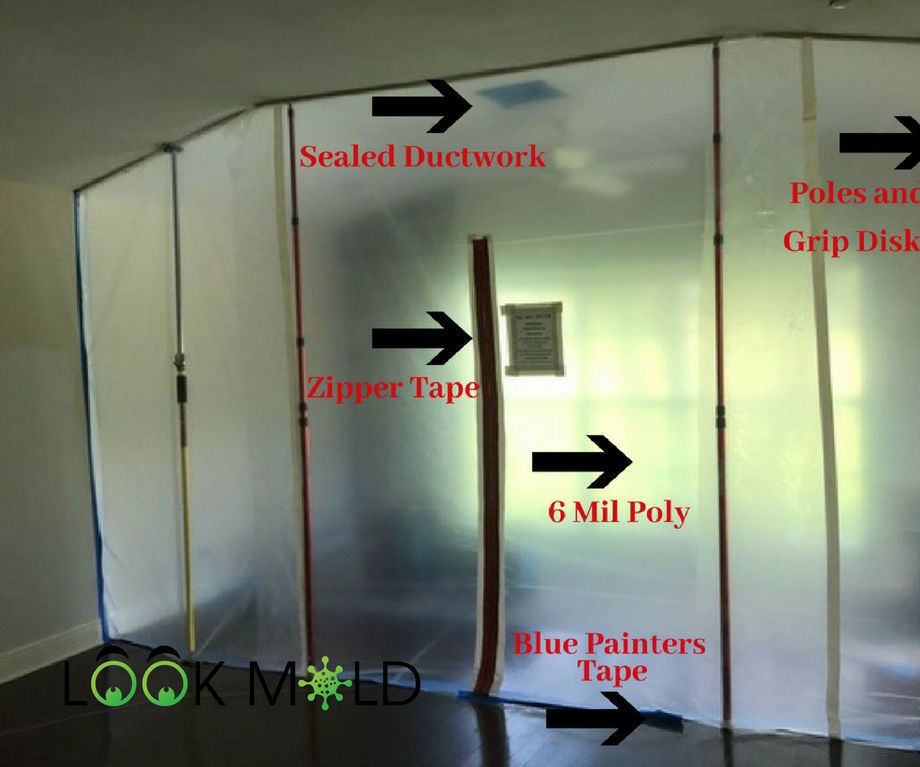
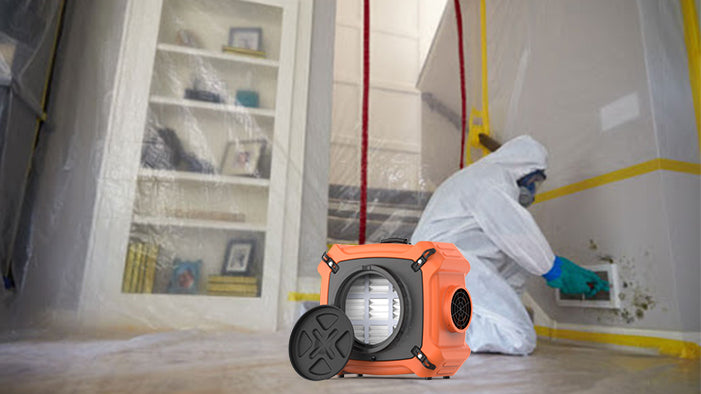

Addressing humidity, leaks, or ventilation issues is the most important part of preventing mold from returning.
Professionals familiar with local conditions, such as Mold Removal Merritt Island, understand common moisture patterns in Airbnb properties across Brevard County and can help resolve issues effectively.
How to Prevent Mold in Airbnb Properties
Preventive maintenance is the most effective way to avoid mold problems.
Property owners can reduce risk by:
- Keeping thermostats set to maintain humidity control, even when vacant
- Installing a dehumidifier if needed
- Servicing HVAC systems regularly
- Checking condensate drain lines
- Inspecting roofs and windows after storms
- Ensuring bathroom exhaust fans work properly
Routine checks between guest stays help identify small issues before they become costly repairs.
The Importance of Routine Inspections
Airbnb properties benefit from a regular inspection schedule.
Helpful practices include:
- Monthly checks of bathrooms, closets, and air handlers
- Seasonal attic and roof inspections
- Monitoring humidity levels indoors
- Regular filter changes and AC servicing
These steps help maintain indoor air quality and prevent mold growth.
Why Local Experience Matters
Mold behavior in Merritt Island differs from inland areas. Homes near waterways often experience:
- Continuous AC operation
- High humidity year-round
- Waterfront airflow patterns
- Storm-related moisture intrusion
Professionals familiar with these conditions can identify problems quickly and recommend solutions suited to local homes.
Local knowledge also helps address issues specific to coastal building styles and ventilation systems.
A Calm, Practical Next Step
Mold in Airbnb properties is a common challenge in coastal Florida, but it is manageable with proper maintenance and early attention to moisture issues. Regular inspections, humidity control, and prompt repairs help prevent mold from affecting guest comfort or property condition.
If you notice musty odors, staining, or persistent humidity in your rental property, having the property evaluated can help determine whether mold is present and what steps are needed. Early action often prevents larger repairs and helps keep your Airbnb ready for guests year-round.
For property owners in Merritt Island and throughout Brevard County, staying proactive is the most reliable way to protect both your investment and your guests’ experience.
