
Mold in Air Ducts in Brevard County: What Merritt Island Property Owners Should Know
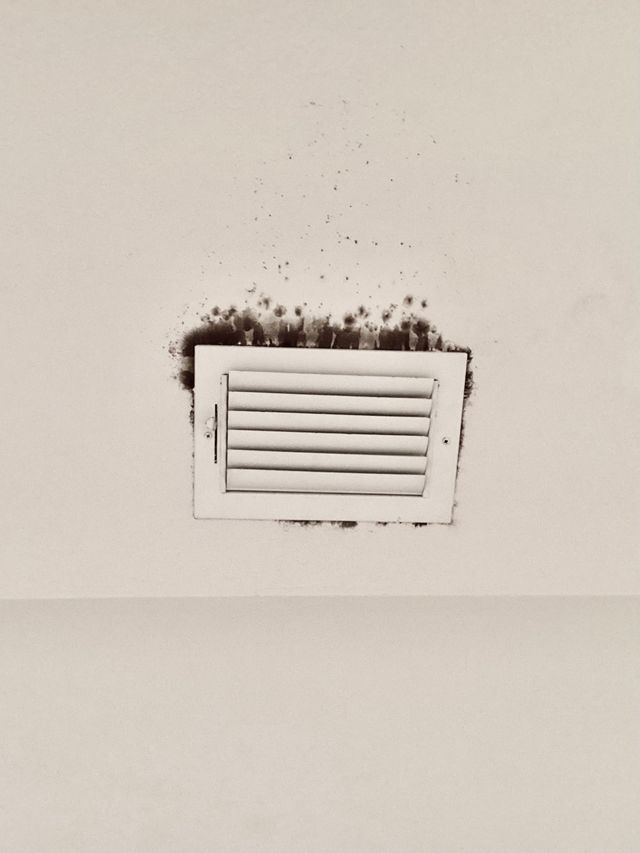
Air ducts are designed to move clean, conditioned air throughout your home—but in Brevard County’s warm, humid climate, they can also become hidden pathways for mold growth and spread. For Merritt Island property owners, mold in air ducts is especially concerning because once spores enter the system, they don’t stay in one room. They circulate through every living space, every time the HVAC runs.
Because ductwork is out of sight, mold problems often go unnoticed until health symptoms, persistent odors, or recurring mold elsewhere in the home start raising red flags. This guide explains what Merritt Island property owners need to know about air duct mold, how it forms, how to spot it early, and what to do to stop it safely.
🌴 Why Air Duct Mold Is So Common in Brevard County
Brevard County homes run air conditioning most of the year. That constant cooling creates condensation—and where there’s moisture, mold can follow.
Common causes of mold in air ducts include:
- High indoor humidity levels
- Condensation inside ductwork
- Leaky ducts pulling in humid attic or crawl space air
- Poor insulation around ducts
- Dirty air filters allowing debris buildup
- Mold growth elsewhere in the home spreading into ducts
- Flooding or storm-related moisture intrusion
In Merritt Island homes near coastal waterways, humidity and salt air can worsen condensation and accelerate mold development inside HVAC systems.
🦠 How Fast Mold Can Grow Inside Air Ducts
Many homeowners assume duct mold develops slowly. In reality, it can happen fast.
- Moisture from condensation forms daily
- Dust inside ducts provides organic material
- Dark, enclosed duct interiors protect spores
- Mold can begin growing within 24–48 hours
- Airflow spreads spores throughout the system
Once mold establishes inside ducts, it often spreads faster than mold on visible surfaces.
🧰 Common Places Mold Grows Inside Duct Systems
Air duct mold isn’t always evenly distributed. It tends to appear in specific problem areas.
🌀 Supply & Return Ducts
- Flexible duct liners
- Interior duct insulation
- Seams and joints
🧱 Vent Covers & Registers
- Condensation-prone metal surfaces
- Dust buildup near airflow exits
🧊 Plenums
- Areas where air enters or exits the system
- Insulated interior surfaces
🌫️ Areas Near Moisture Sources
- Ducts running through attics
- Ducts near crawl spaces
- Ducts close to bathrooms or kitchens
If moisture is present anywhere in the system, mold growth is likely nearby.
⚠️ Why Mold in Air Ducts Is a Serious Health Concern
Unlike mold confined to one room, duct mold impacts the entire home’s air quality.
Potential health effects include:
- Persistent coughing or sneezing
- Sinus congestion and headaches
- Eye, skin, and throat irritation
- Worsening asthma or allergy symptoms
- Fatigue or breathing discomfort
Because air ducts distribute air everywhere, even small mold colonies can lead to continuous exposure for everyone in the home.
🔍 Warning Signs of Mold in Air Ducts
Air duct mold often reveals itself indirectly before you ever see it.
Indoor Warning Signs
- Musty or earthy odors when AC turns on
- Odors coming directly from vents
- Allergy symptoms that worsen indoors
- Mold repeatedly appearing on walls or ceilings
Visible Clues
- Dark buildup on vent covers
- Black or green staining around registers
- Mold inside accessible duct sections
If mold keeps coming back after cleaning visible areas, the ducts may be the source.
🧪 Mold vs. Dust in Air Ducts
Not every dark substance inside ducts is mold—but guessing can be risky.
| Dust / Debris | Mold |
|---|---|
| Dry and loose | Fuzzy, slimy, or sticky |
| No strong odor | Musty smell present |
| Cosmetic issue | Indicates moisture |
| Doesn’t spread | Circulates through airflow |
Proper inspection and testing are the only reliable ways to confirm mold.
🧽 Why DIY Air Duct Mold Cleaning Often Fails
Many homeowners try to fix duct mold with surface cleaning or duct sprays. This usually doesn’t work—and can make things worse.
DIY cleaning fails because:
- Mold grows deep inside duct liners
- Bleach and sprays don’t penetrate insulation
- Spores spread when disturbed
- Moisture sources remain unresolved
- Full duct access is limited
In some cases, improper DIY cleaning spreads mold spores deeper into the HVAC system and throughout the home.
🛑 When Professional Mold Remediation Is Necessary
Professional help is strongly recommended if:
- Mold is visible inside ductwork
- Odors return after cleaning
- Mold appears in multiple rooms
- HVAC components show moisture damage
- Family members experience ongoing symptoms
- Flooding or storm damage has occurred
Professional remediation focuses on removing contamination, correcting moisture issues, and preventing recurrence—not just cleaning surfaces.
🌊 Why Merritt Island Homes Face Higher Air Duct Mold Risk
Homes in Merritt Island and across Brevard County face environmental challenges that increase duct mold risk:
- High coastal humidity year-round
- Long cooling seasons
- Salt air accelerating condensation and corrosion
- Attics and crawl spaces with high moisture
- Storm and hurricane-related water intrusion
Even newer homes can develop air duct mold if humidity and airflow aren’t properly controlled.
🛠️ Long-Term Prevention Tips for Air Duct Mold
Preventing duct mold requires addressing moisture—not just cleanliness.
Effective prevention strategies include:
- Keeping indoor humidity below 55%
- Replacing HVAC filters every 30–60 days
- Sealing duct leaks
- Insulating ducts properly
- Scheduling regular HVAC maintenance
- Addressing water leaks immediately
- Inspecting ducts after flooding or storms
Consistent moisture control is the most important factor in prevention.
📉 How Air Duct Mold Affects Property Value
Mold in air ducts can create serious issues during inspections and real estate transactions.
Potential impacts include:
- Failed indoor air quality inspections
- Required professional remediation before sale
- Buyer concerns about hidden mold
- Reduced confidence in HVAC system condition
Because ducts affect the entire home, mold here is often treated as a major inspection concern.
✅ Final Takeaway for Merritt Island Property Owners
Mold in air ducts is one of the most disruptive—and overlooked—mold problems in Brevard County homes.
If you notice warning signs:
✔ Take musty odors seriously
✔ Inspect vents and ductwork
✔ Control indoor humidity aggressively
✔ Avoid surface-only cleaning
✔ Seek professional help when mold is suspected
Early action protects your indoor air quality, your HVAC system, and your home’s long-term value.
