
Mold Health Effects in Merritt Island: What Merritt Island Property Owners Should Know
Mold isn’t just a claim issue or a cosmetic problem—it’s a health concern, especially in Merritt Island, where coastal humidity, warm temperatures, and frequent rain create ideal conditions for indoor mold growth. Homes, rentals, and commercial properties can develop mold quietly, and occupants may experience health symptoms long before visible mold is discovered.
For Merritt Island property owners, understanding how mold affects health—and why local conditions increase risk—is essential for protecting tenants, families, and long-term property value.
🧠 Why Mold Is a Health Concern in Merritt Island
Mold releases microscopic spores into the air. When inhaled or contacted, these spores can trigger physical reactions—especially in humid environments where mold growth is more aggressive.
🌴 Local Conditions Increase Exposure
Merritt Island properties are more susceptible because of:
- High year-round humidity
- Waterfront and coastal air
- Frequent storms and heavy rainfall
- Homes relying on constant air conditioning
When moisture lingers indoors, mold growth increases—and so does exposure.
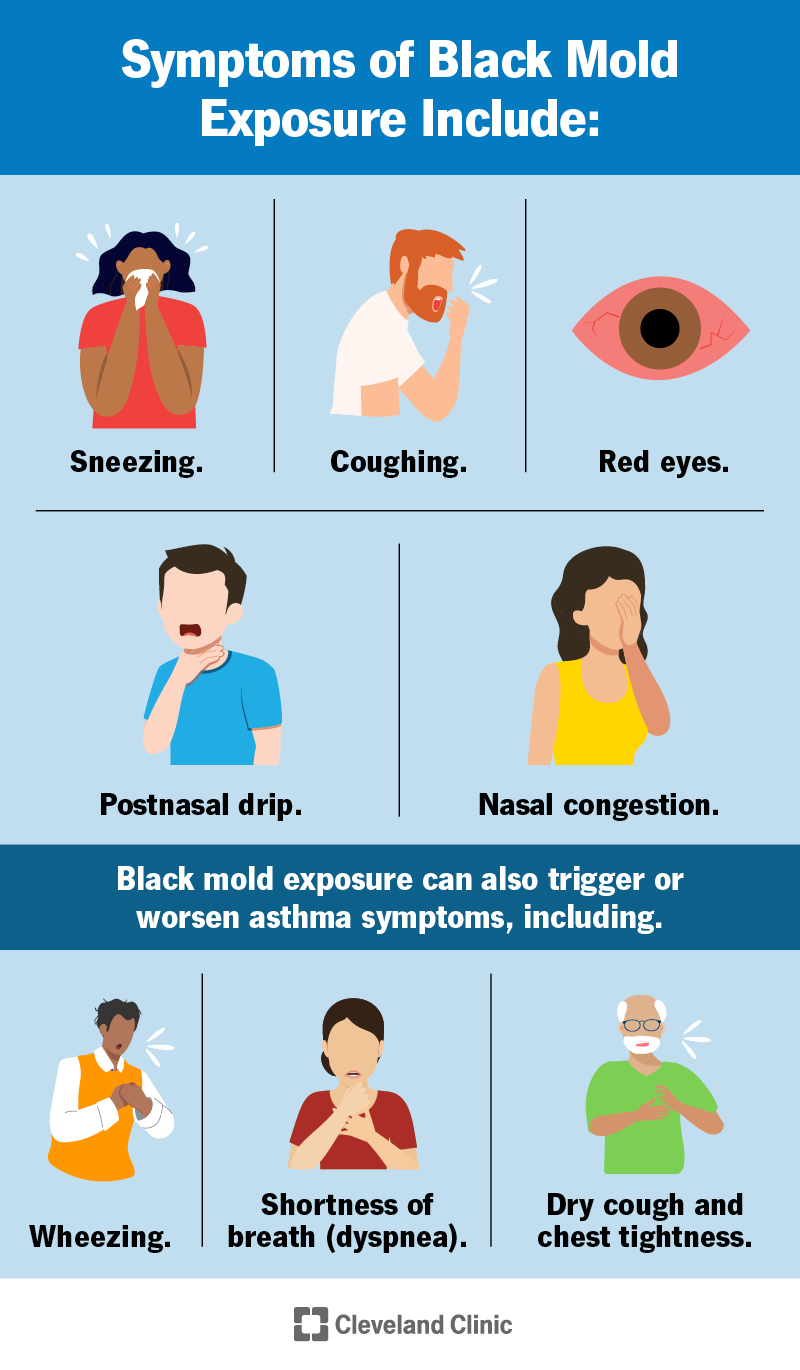
😷 Common Health Effects Linked to Mold Exposure
Health reactions vary depending on the individual, duration of exposure, and mold type.
🤧 Respiratory Symptoms
One of the most common effects includes:
- Coughing or wheezing
- Nasal congestion
- Shortness of breath
- Throat irritation
These symptoms often worsen indoors and improve when occupants leave the property.
🤕 Allergy-Like Reactions
Mold exposure can trigger:
- Sneezing
- Runny nose
- Itchy eyes
- Skin irritation or rashes
Even people without known allergies may develop sensitivity after prolonged exposure.
😵 Fatigue and Headaches
Ongoing mold exposure may contribute to:
- Persistent headaches
- Difficulty concentrating
- Chronic fatigue
These symptoms are often overlooked or misattributed to stress or seasonal illness.
🚨 Who Is Most at Risk?
While mold can affect anyone, certain groups are more vulnerable.
👶 Children
Developing immune and respiratory systems make children more sensitive to mold exposure.
👴 Seniors
Older adults may experience stronger or longer-lasting symptoms.
😮💨 People With Respiratory Conditions
Those with asthma, allergies, COPD, or sinus conditions often experience:
- Increased flare-ups
- More frequent symptoms
- Reduced indoor comfort
🧬 Immunocompromised Individuals
People undergoing medical treatment or with weakened immune systems face higher risks from prolonged mold exposure.
🏠 How Mold Exposure Happens Inside Properties
Mold doesn’t need to be visible to affect health.
🕵️ Hidden Mold Sources
Health effects often come from mold growing:
- Behind drywall
- Under flooring
- Inside HVAC systems
- In attics or crawlspaces
Air circulation spreads spores throughout the building, increasing exposure even when mold is hidden.
🧪 Identifying Mold-Related Health Issues
Because symptoms can mimic allergies or colds, mold exposure often goes undetected.
🚩 Warning Signs for Property Owners
- Multiple occupants experiencing similar symptoms
- Symptoms that worsen indoors
- Persistent musty odors
- History of water damage or leaks
These indicators often justify a professional mold inspection or testing.
🧼 Addressing Mold to Protect Health
Addressing mold is not just about cleanup—it’s about prevention and proper remediation.
🔍 Mold Inspection
Identifies:
- Moisture sources
- Hidden mold growth
- Areas of concern affecting indoor air quality
🧪 Mold Testing
Helps determine:
- Whether airborne mold levels are elevated
- If remediation is necessary
🧰 Mold Remediation
Professional remediation typically includes:
- Containment
- Removal of contaminated materials
- HEPA air filtration
- Antimicrobial cleaning
- Moisture source repair
DIY cleaning alone rarely resolves health-related mold problems.
🛠 Preventing Mold-Related Health Issues in Merritt Island
Property owners can significantly reduce health risks with proactive steps.
✅ Control Indoor Humidity
- Maintain 30–50% humidity
- Use dehumidifiers in damp areas
- Ensure proper airflow
✅ Maintain HVAC Systems
- Replace filters regularly
- Clean condensate lines and drip pans
- Schedule seasonal servicing
✅ Address Water Issues Immediately
- Repair leaks promptly
- Dry water intrusion within 24–48 hours
- Monitor attics and crawlspaces
🧪 Mold Exposure vs. Mold Presence
- Mold presence doesn’t always cause symptoms
- Mold exposure occurs when spores circulate indoors
Reducing exposure—not just removing visible mold—is key to protecting health.
🧑🔧 Final Thoughts: Health Should Never Be an Afterthought
In Merritt Island, mold-related health effects are more common than many property owners realize—largely due to climate and moisture conditions.
Key takeaways:
- Mold can impact health even when hidden
- Symptoms often appear before mold is visible
- Children, seniors, and those with asthma are most vulnerable
- Early inspection and moisture control reduce health risks
Protecting indoor air quality protects your investment—and the people who live or work inside your property
