
Mold Health Effects in Brevard County: What Merritt Island Property Owners Should Know
In Brevard County, mold is a common concern for homeowners, especially in coastal communities like Merritt Island. With high humidity, frequent storms, and year-round air-conditioning use, moisture can develop in homes more easily than many people expect. When moisture lingers, mold may begin to grow—sometimes in visible areas, and sometimes hidden behind walls or under flooring.
Many property owners naturally wonder about the health effects associated with mold exposure. Understanding what mold can do, what signs to watch for, and how to address mold problems helps homeowners respond calmly and responsibly.
Why Mold Is Common in Brevard County Homes
Before discussing health effects, it helps to understand why mold appears so frequently in this region.
Several local conditions contribute to mold growth:
High coastal humidity
Moist air from waterways such as the Banana River, Indian River, and Sykes Creek keeps indoor humidity elevated much of the year.
Frequent rain and storms
Roof leaks, window intrusion, and damp attics are common after heavy weather.
Continuous air-conditioning use
AC systems help control humidity but can also create condensation in ducts, air handlers, and drain lines.
Waterfront and canal-side homes
Homes near water often dry more slowly after leaks or flooding.
Because these factors are part of everyday life in Merritt Island and surrounding communities, mold problems often begin gradually.
How Mold Affects Indoor Environments
Mold spreads by releasing microscopic spores into the air. These spores are naturally present both outdoors and indoors. When mold grows inside a home, spore levels may increase in the immediate area.
In addition to spores, mold growth can lead to:
- Musty odors
- Visible staining
- Damage to drywall or insulation
- Increased indoor humidity in affected areas


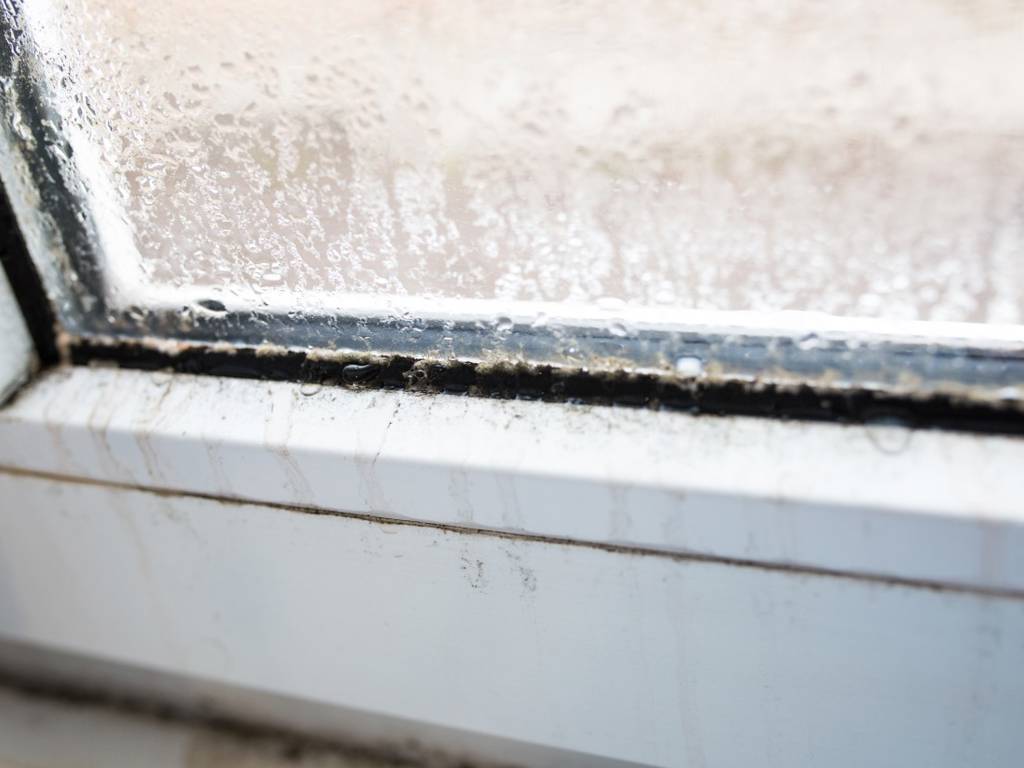
These conditions can affect comfort and indoor air quality, which is why mold problems are usually addressed promptly.
Possible Health Effects Associated With Mold Exposure
Different people react differently to indoor mold. Some individuals may notice no symptoms at all, while others may experience mild irritation or discomfort.
Possible effects sometimes reported in damp or mold-affected environments include:
- Nasal or throat irritation
- Sneezing or congestion
- Eye irritation
- Skin irritation in sensitive individuals
- Worsening of allergy-type symptoms
These reactions are often temporary and improve once the environment is cleaned and moisture is controlled.
It is important to remember that mold affects people differently, and any persistent health concerns should be discussed with a qualified healthcare professional.
Why Sensitivity to Mold Varies
Not everyone reacts to mold in the same way. Sensitivity depends on several factors:
- Individual allergies or sensitivities
- Amount of mold present
- Duration of exposure
- Ventilation and air circulation
In many homes, mold is discovered before it causes significant indoor air quality concerns, which is why early detection is helpful.
Signs Mold May Be Affecting Indoor Air Quality
Homeowners sometimes notice changes in their home environment that lead them to investigate further.
Common signs include:
- Persistent musty odors
- Rooms that feel damp or humid
- Visible staining or discoloration
- Condensation on windows or ducts
- Allergy-like symptoms that improve when leaving the home


These signs often indicate a moisture issue, which is the root cause of mold growth.
Hidden Mold and Indoor Air Quality
One of the most challenging aspects of mold is that it often grows in hidden areas. Mold may develop:
- Behind drywall after plumbing leaks
- Under flooring in kitchens or bathrooms
- Inside attic insulation
- Around air handlers and ductwork


Because these areas are not visible during daily routines, mold may be present even when surfaces look clean.
Why Moisture Control Is the Most Important Step
Regardless of mold type or color, the underlying cause is almost always moisture. Controlling moisture is the most effective way to prevent mold growth and reduce indoor air concerns.
Common moisture sources include:
- Roof leaks
- Plumbing leaks
- AC condensation
- Poor ventilation
- High indoor humidity
Addressing these issues early helps prevent mold from spreading and reduces the likelihood of indoor air quality problems.
How Mold Inspection and Testing Help
A professional mold inspection can help identify:
- Areas of visible mold
- Hidden moisture sources
- Conditions that allow mold to grow
In some cases, mold testing may be recommended to evaluate indoor air conditions or confirm findings.
Professionals familiar with local conditions, such as Mold Removal Merritt Island, understand the humidity patterns and building styles common in Brevard County homes and can help identify problems accurately.
How Mold Remediation Improves Indoor Conditions
If mold is confirmed, remediation focuses on:
- Containing affected areas
- Removing contaminated materials when necessary
- Cleaning and drying
- Correcting moisture sources
Proper remediation helps restore normal indoor conditions and prevents mold from returning.
Preventing Mold in Brevard County Homes
Preventive maintenance is the most effective way to reduce mold risks and maintain comfortable indoor environments.
Homeowners can reduce problems by:
- Keeping indoor humidity between 45–55%
- Servicing HVAC systems regularly
- Inspecting roofs and attics after storms
- Repairing plumbing leaks promptly
- Using exhaust fans in kitchens and bathrooms
- Monitoring closets and storage areas
Routine inspections often catch small moisture issues before they become larger problems.
Why Local Experience Matters
Mold behavior in coastal Brevard County differs from inland regions. Homes in Merritt Island often experience:
- Higher baseline humidity
- Salt air exposure affecting building materials
- Continuous AC operation
- Storm-related moisture intrusion
Professionals familiar with these local conditions can diagnose moisture problems more quickly and recommend solutions suited to coastal homes. Local experience often helps prevent recurring mold issues.
A Calm, Practical Next Step
Concerns about mold and health are understandable, but most mold problems begin with manageable moisture issues. Early inspections, proper remediation, and preventive maintenance help protect both homes and indoor environments.
If you notice musty odors, water stains, or persistent humidity in your home, having the property evaluated can help determine whether mold may be present and what steps may be needed.
For property owners in Merritt Island and throughout Brevard County, staying proactive with moisture control and routine inspections remains the most reliable way to keep homes dry, comfortable, and well maintained year-round.
