
Mold Growth Patterns in Coastal Florida Homes Like Merritt Island
Living in Merritt Island offers many advantages — waterfront views, warm weather, and easy access to beaches and boating. But coastal living also brings unique home maintenance challenges, and one of the most common is mold growth.
Across North Merritt Island, South Merritt Island, and neighborhoods along Sykes Creek, Banana River, and the Indian River, mold problems tend to follow predictable patterns. Homes near water and exposed to Florida’s humid climate experience mold differently than inland properties.
Many homeowners assume mold only appears after floods or major leaks, but in coastal Florida, mold often develops quietly due to persistent humidity and moisture movement inside homes.
Understanding how mold typically grows in coastal homes helps homeowners detect problems earlier and prevent costly damage.
What the Mold Issue Really Is
Mold spores are naturally present everywhere outdoors. They become a problem indoors when moisture allows them to grow on building materials.
In coastal Florida homes, mold typically grows on:
• Drywall and ceilings
• Wood framing and trim
• Carpet backing and padding
• Insulation materials
• HVAC ducts and air handlers
• Dust and organic debris
Unlike sudden water damage, coastal mold problems often develop slowly. Moisture accumulates gradually in hidden spaces, creating conditions mold needs to grow over time.
Because mold can grow behind surfaces, many homeowners do not realize an issue exists until odors or visible staining appear.
Why This Happens So Often in Merritt Island
Coastal Florida creates conditions where mold growth is easier and more persistent.
Constant High Humidity
Humidity levels around Merritt Island stay high most of the year. Even when it’s not raining, the surrounding waterways keep moisture levels elevated.
Salt Air Exposure
Salt air can degrade building materials and exterior seals over time, allowing moisture to enter walls or roofs.
Frequent Rain and Storm Systems
Summer storms, tropical systems, and hurricanes introduce moisture that can remain trapped long after storms pass.
High Water Table
Ground moisture sits close to the surface. Crawl spaces and slab foundations often allow moisture to migrate upward into homes.
Heavy Air Conditioning Use
Homes remain cool indoors while outside air stays hot and humid. This temperature difference often creates condensation.
These factors combine to create recurring mold growth patterns across Merritt Island homes.
Common Signs Homeowners Notice
Mold growth in coastal homes usually follows recognizable signs.
Homeowners often notice:
• Musty odors inside rooms or closets
• Dark spots on walls or ceilings
• Paint bubbling or peeling
• Damp feeling rooms despite AC use
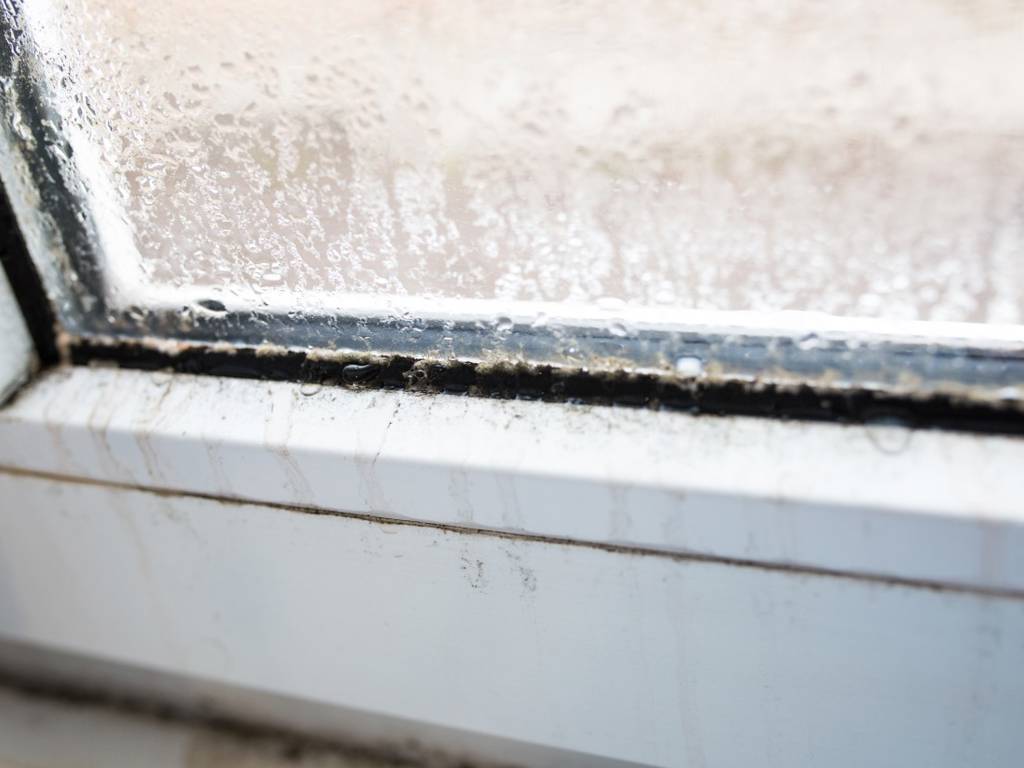
• Condensation on windows or vents
• Warped flooring or trim
• Allergy-like irritation indoors
Closets, guest rooms, and storage areas often show mold first because airflow is limited.
Waterfront homes sometimes develop mold faster due to direct exposure to humid air.
Hidden or Overlooked Mold Sources
Coastal mold growth often happens where homeowners rarely look.
Behind Exterior Walls
Warm humid outdoor air meets cooler indoor walls, creating hidden condensation.
Under Flooring
Moisture trapped beneath tile, laminate, or vinyl flooring supports mold growth unseen.
Attics
Hot humid air combined with poor ventilation leads to mold on roof decking and insulation.
Crawl Spaces
Ground moisture enters homes from below, especially during rainy seasons.
HVAC Systems
Condensation inside air handlers and ducts spreads mold spores through homes.
Past Leak Areas
Old roof or plumbing leaks may leave materials vulnerable to future moisture.
These hidden areas often allow mold to spread unnoticed until problems worsen.
Why DIY Mold Removal Usually Fails
Homeowners frequently attempt to clean mold using bleach or household cleaners.
While this may temporarily improve appearance, it rarely fixes the underlying issue.
Bleach typically removes stains but does not eliminate mold roots embedded in porous materials.
DIY cleaning also risks spreading mold spores through air movement.
Most importantly, cleaning visible mold without correcting moisture allows mold to return.
Homes across Merritt Island commonly see repeat mold growth after temporary DIY cleaning attempts.
Professional Mold Inspection & Testing Explained
Professional mold inspections focus on identifying moisture sources as well as contamination.
A typical inspection includes:
• Detailed visual inspection of the home
• Moisture meter readings in walls and floors
• Thermal imaging to detect hidden moisture
• Inspection of attics and crawl spaces
• HVAC system evaluation
When needed, air or surface sampling helps determine mold levels indoors compared to outdoor air.
Lab results guide remediation decisions and help confirm whether contamination is elevated.
The goal is identifying why mold is growing, not just where it appears.
Proper Mold Removal & Remediation Process
Professional mold remediation focuses on both safe cleanup and prevention.
A proper process usually includes:
Containment Setup
Affected areas are sealed to prevent spore spread.
Safe Material Removal
Contaminated drywall or insulation is removed or professionally cleaned.
Moisture Source Correction
Leaks, humidity issues, or condensation problems are corrected.
Air Filtration Cleaning
Air scrubbers remove spores during cleanup.
Prevention Recommendations
Homeowners receive guidance to reduce future moisture problems.
Local professionals such as Mold Removal Merritt Island follow structured remediation processes to prevent mold from returning.
How to Prevent Mold in Coastal Florida Homes
Since humidity cannot be eliminated outdoors, prevention focuses on indoor moisture control.
Helpful steps include:
• Maintain indoor humidity below 60%
• Service AC systems regularly
• Use dehumidifiers when needed
• Ensure attic ventilation works properly
• Seal exterior gaps and cracks
• Inspect roofs after storms
• Fix plumbing leaks immediately
• Maintain proper drainage around the home
• Check crawl spaces periodically
Post-storm inspections help identify moisture before mold becomes visible.
Simple maintenance steps often prevent larger problems later.
Why Local Merritt Island Experience Matters
Homes across Merritt Island vary widely in age, design, and proximity to water.
A professional familiar with local housing understands:
• Common moisture entry points in island homes
• Construction differences between neighborhoods
• Coastal humidity effects on buildings
• HVAC challenges in waterfront properties
• Storm-related moisture patterns
Local experience allows faster identification of mold causes and better long-term solutions.
Companies serving the island, including Mold Removal Merritt Island, understand the mold patterns specific to coastal Florida homes.
A Calm, Practical Next Step for Homeowners
If your home smells musty, shows staining, or feels damp despite running the AC, mold may already be developing.
Mold problems often grow slowly and silently, but early evaluation prevents costly repairs later.
A professional inspection can determine whether mold exists and identify moisture issues before they worsen.
Addressing moisture early helps keep homes comfortable, safe, and protected throughout Merritt Island’s humid coastal seasons.
Image Generation Prompts
- Mold growth on interior drywall inside a coastal Florida home caused by persistent humidity, realistic lighting, clean residential setting, no people, no logos, uncluttered scene.
- Attic mold forming on roof decking due to humidity buildup in a coastal Florida house, natural lighting, clean framing structure, no people, no text.
