
Mold From AC Condensation in Indian River: What Merritt Island Property Owners Should Know
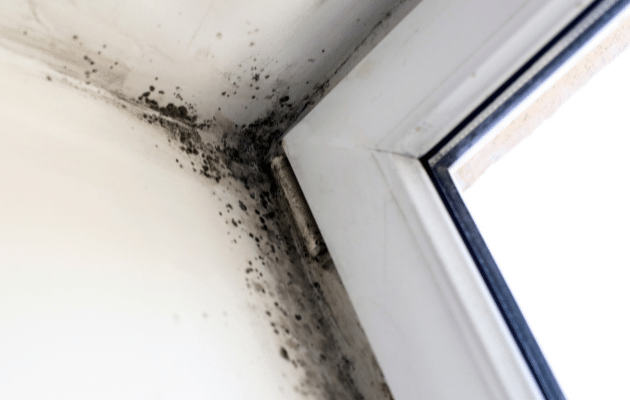
Why AC Condensation Creates Mold Problems in Indian River Homes
Air conditioners remove humidity by design. That moisture has to go somewhere. When everything works perfectly, it drains away without issue. When it doesn’t, moisture builds up in places that don’t dry easily.
In Indian River homes, condensation problems often affect:
- Air handlers and drain pans
- Condensate drain lines
- Ductwork and insulation
- Ceilings and walls near vents
- Closets or rooms sharing HVAC pathways
Add coastal humidity to the mix, and even small drainage or airflow issues can turn into mold problems fast.
How Condensation Turns Into Mold
Condensation becomes a mold problem when it sticks around.
This usually happens when:
- Drain lines clog or partially block
- Drain pans crack or overflow
- Insulation around ducts gets damp
- Airflow stays uneven
- Humidity remains consistently high
Mold doesn’t need standing water. It just needs surfaces that stay damp long enough—and AC systems provide plenty of opportunities for that in Merritt Island homes.
Common Mold Hotspots Caused by AC Condensation
Condensation-related mold often hides in predictable places.
Near the Air Handler
Drain pans and coils collect moisture constantly. If drainage fails or airflow drops, mold can grow right inside the system.
Inside Ductwork or Insulation
Cold ducts meeting warm, humid air create condensation. Damp insulation becomes a perfect mold habitat.
Around Supply and Return Vents
Condensation near vents can dampen drywall and ceilings, leading to mold that looks like a “ceiling issue” but actually starts with the AC.
Closets and Interior Rooms
Rooms with limited airflow often show mold first, especially if duct condensation runs nearby.
Signs Mold May Be Linked to AC Condensation
AC-related mold doesn’t always look obvious at first.
Watch for:
- Musty odors when the AC turns on
- Dark buildup around vents
- Condensation that never fully dries
- Ceiling or wall staining near duct lines
- Rooms that feel damp despite cooling
If smells or symptoms line up with AC use, condensation deserves a closer look.
Why This Problem Is So Common Near the Indian River
Living near the Indian River means humidity stays elevated most of the year. That changes how AC systems behave.
Key factors include:
- Constant moisture in incoming air
- AC systems running long hours
- Short cycling that limits dehumidification
- Homes sealed tightly for efficiency
Even well-installed systems can struggle if maintenance or airflow falls behind.
The Oversized AC Problem
This one surprises a lot of homeowners.
Oversized AC units cool air quickly but don’t run long enough to remove moisture effectively. The house feels cool, but humidity stays high. Condensation increases, and mold gets exactly what it needs.
Cool doesn’t always mean dry—and mold knows the difference.
Why DIY Fixes Usually Miss AC Condensation Mold
DIY cleaning often focuses on visible mold, not the system creating it.
DIY efforts fail because:
- Mold grows inside HVAC components
- Drain issues stay unresolved
- Insulation remains damp
- Airflow problems persist
Cleaning vents or spraying surfaces won’t stop mold if condensation continues behind the scenes.
How Inspections Identify Condensation-Driven Mold
A proper inspection looks at moisture patterns tied to the HVAC system.
Inspections often include:
- Checking drain lines and pans
- Measuring moisture near ducts and vents
- Evaluating airflow and system performance
- Inspecting insulation and nearby materials
Once condensation sources get identified, mold growth patterns usually make sense immediately.
Mold Testing and AC Condensation Issues
Testing can help when:
- Odors persist without visible mold
- Multiple rooms feel affected
- Documentation matters for property decisions
Testing supports clarity, but fixing condensation and moisture stops the problem.
Preventing Mold From AC Condensation
Prevention focuses on keeping moisture moving—out of the house.
Helpful steps include:
- Regular AC maintenance
- Keeping drain lines clear
- Monitoring indoor humidity
- Ensuring ducts are insulated properly
- Avoiding frequent thermostat changes
Small adjustments make a big difference in coastal homes.
Why Local Experience Matters With AC-Related Mold
AC condensation behaves differently in coastal Florida than in drier regions. Indian River homes deal with humidity, salt-adjacent air, and heavy system use that affect moisture control.
That’s why Mold and Duct Cleaning Experts help Merritt Island property owners identify AC-related mold accurately—based on real local conditions, not guesswork.
Final Thoughts
Mold from AC condensation doesn’t mean your system is broken—it usually means moisture isn’t leaving the home the way it should. Near the Indian River, that’s a common challenge, not a failure.
If musty smells show up when the AC runs or mold appears near vents and ceilings, don’t ignore it. Follow the moisture, fix the condensation, and mold loses its foothold.
