
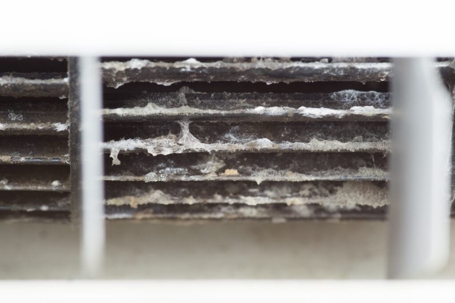
Mold From AC Condensation in Brevard County: What Merritt Island Property Owners Should Know
In Brevard County, air conditioning isn’t optional—it’s essential. Systems run most of the year, quietly managing heat and humidity across Merritt Island homes. But when AC condensation isn’t handled correctly, it becomes one of the most common and misunderstood sources of mold. Many property owners are surprised to learn that the very system meant to remove moisture can also create the conditions for mold when small issues go unnoticed.
Understanding how AC condensation forms, where it causes problems, and what to watch for can help Merritt Island homeowners prevent hidden mold growth before it spreads through walls, ceilings, or ductwork.
What AC Condensation Is and Why It Happens
Air conditioners cool air by passing it over cold coils. As warm, humid air contacts those coils, moisture condenses and drips into a drain pan, then exits through a drain line. In Brevard County’s humid climate, this process happens constantly.
Problems arise when condensation doesn’t drain or dry as intended. High humidity, long run times, and tight building envelopes mean even minor drainage or airflow issues can allow moisture to linger. When water sits where it shouldn’t—on coils, in pans, on ducts, or inside closets—mold has an opportunity to grow.
Why Brevard County Homes Are Especially Vulnerable
Brevard County’s coastal environment amplifies condensation-related risks. Homes on Merritt Island, near the Banana River, Indian River, and Sykes Creek, experience elevated humidity year-round.
Local conditions that increase risk include:
- Persistent outdoor humidity that keeps systems running longer
- Salt air that corrodes components and seals
- High water tables common with slab foundations
- Homes designed to stay closed for efficiency
- Attics and closets used for air handlers with limited airflow
These factors make drying slower and small AC issues more consequential.
Common Places Mold Forms From AC Condensation
Condensation-related mold rarely appears in open living areas first. It typically develops where moisture meets limited airflow.
High-risk locations include:
- Air handler closets, especially on slab foundations
- Secondary drain pans beneath air handlers
- Ductwork and duct insulation in attics
- Supply and return plenums
- Ceiling cavities below attic duct runs
- Around vent boots and registers
Because these areas are out of sight, mold can grow for months before homeowners notice odors or staining.
Sweating Ductwork and Hidden Moisture
Duct sweating is a frequent issue in Brevard County. When cool air travels through ducts in hot, humid attics, condensation can form on the outside of the duct if insulation is insufficient or damaged.
Over time, this moisture can:
- Soak duct insulation
- Drip onto ceiling drywall
- Create staining around vents
- Support mold growth inside attics
The problem often worsens during peak summer months when humidity and run times are highest.
Drain Line and Drain Pan Problems
AC drain lines and pans are designed to handle condensation continuously. When they don’t, water backs up and overflows.
Common causes include:
- Algae or debris clogging drain lines
- Improper slope preventing drainage
- Cracked or rusted drain pans
- Safety switches failing or being bypassed
When water overflows, it often wets insulation, drywall, or flooring—materials that dry slowly and readily support mold.
Oversized Systems and Poor Dehumidification
In newer or renovated homes, oversized AC systems are a frequent contributor to condensation-related mold. These systems cool the home quickly but shut off before removing enough moisture.
Signs of poor dehumidification include:
- Rooms feeling cool but clammy
- Condensation on vents or windows
- Short cycling of the AC
- Musty odors despite cooling
When humidity stays high indoors, condensation forms more easily throughout the system.
Early Signs Mold May Be Developing
AC condensation issues usually provide subtle warnings before visible mold appears.
Watch for:
- Musty or earthy odors when the AC turns on
- Odors strongest near vents or closets
- Discoloration around vent covers
- Damp air handler closets
- Bubbling paint or ceiling stains below attic ducts
These signs often point to ongoing moisture tied to the AC system.
Why Surface Cleaning Doesn’t Solve the Problem
Cleaning vent covers or wiping visible moisture doesn’t address condensation sources. Mold from AC condensation typically grows behind insulation, inside plenums, or in concealed cavities.
Common mistakes include:
- Painting over stained ceilings
- Cleaning visible mold without checking ducts
- Replacing registers without inspecting plenums
- Ignoring attic duct conditions
Without correcting condensation and drying affected materials, mold often returns.
How Professionals Evaluate AC-Related Mold
A proper evaluation focuses on moisture patterns first, not just visible growth. In Brevard County homes, inspections commonly include:
- Moisture readings around air handlers and ducts
- Inspection of drain lines and pans
- Attic duct and insulation assessment
- Identification of airflow and dehumidification issues
When needed, sampling helps confirm whether mold is present and whether it’s tied to condensation sources. Companies like Mold Removal Merritt Island typically emphasize correcting moisture conditions as the foundation of any solution.
Preventing Mold From AC Condensation
Long-term prevention is about maintenance and verification rather than quick fixes.
Effective steps include:
- Regular HVAC maintenance and drain line flushing
- Ensuring proper duct insulation and sealing
- Keeping air handler closets ventilated when appropriate
- Monitoring indoor humidity levels
- Addressing condensation signs immediately
These measures reduce the chance that normal condensation turns into a mold problem.
Post-Storm and Seasonal Considerations
After storms or during extreme humidity, AC systems work harder and produce more condensation. Brevard County homes often see condensation-related issues spike during these periods.
After heavy rain or prolonged humidity:
- Check drain lines for proper flow
- Inspect ceilings below attic ducts
- Watch for new odors when the AC runs
- Monitor indoor humidity
Early checks can prevent delayed mold growth weeks later.
Why Local Brevard County Experience Matters
AC condensation behaves differently in coastal Florida than inland areas. Local experience matters because professionals familiar with Merritt Island understand how humidity, salt air, slab foundations, and attic designs affect condensation.
That local knowledge allows for accurate identification of root causes rather than surface-level fixes—especially important in homes near waterways.
A Practical Next Step for Property Owners
If a Merritt Island home has musty odors, recurring condensation, or past water staining near vents or AC equipment, it’s worth investigating sooner rather than later. Mold from AC condensation is common in Brevard County, but it’s also highly preventable when addressed early.
A professional evaluation can confirm whether condensation is being managed properly, identify hidden moisture, and help protect the home’s structure and indoor comfort before small issues become larger repairs.
