
Mold During Rainy Season in Sykes Creek: What Merritt Island Property Owners Should Know
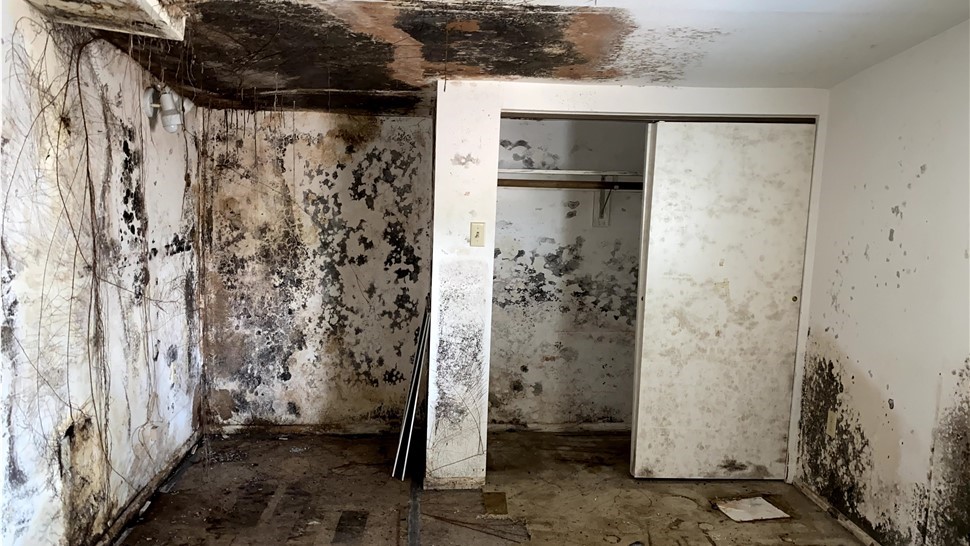
In Sykes Creek, the rainy season doesn’t just mean afternoon downpours—it means weeks of elevated humidity, wind-driven rain, and slow drying. For Merritt Island homes, that combination dramatically increases mold risk. Even without flooding or obvious leaks, moisture can creep in, linger, and quietly fuel mold growth behind walls, under floors, and inside HVAC systems.
The challenge is that rainy-season mold often starts subtly. By the time stains or odors appear, moisture has usually been present long enough for mold to establish itself. This guide explains why the rainy season is so risky in Sykes Creek, what signs to watch for, and how property owners can stay ahead of problems.
🌴 Why the Rainy Season Hits Sykes Creek Homes Harder
Local conditions amplify every storm:
- High baseline humidity that stays elevated day and night
- Wind-driven rain pushing water under shingles, flashing, and window seals
- Salt air slowing evaporation after storms
- Warm temperatures that accelerate mold growth
- Slab foundations that trap moisture beneath floors
Rain may stop—but moisture often doesn’t dry on its own in coastal Merritt Island homes.
🦠 How Rainy-Season Moisture Turns Into Mold
Rainy-season mold usually follows this pattern:
- Repeated rain raises indoor humidity
- Small intrusions (roof edges, windows, doors) let moisture in
- Attics, walls, and floors stay damp due to limited airflow
- Mold begins growing within 24–48 hours
- Odors or symptoms appear weeks later
Because exposure is repeated, growth can become widespread before it’s visible.
🧱 Common Mold Hotspots During Rainy Season
Rain doesn’t affect every area equally. Watch these high-risk zones:
- Attics (wet insulation, roof decking)
- Ceilings & upper walls after storms
- Exterior walls facing prevailing winds
- Under flooring on slab homes
- Around windows and doors with worn seals
- HVAC systems dealing with constant condensation
- Closets and storage areas with low airflow
If multiple rooms show signs at once, humidity is often the driver.
👃 Early Warning Signs You Shouldn’t Ignore
Rainy-season mold often announces itself quietly.
Be alert for:
- Musty or earthy odors that linger after rain
- Odors stronger on humid days
- Bubbling or peeling paint
- New ceiling or wall stains
- Warped baseboards or trim
- Condensation that never fully dries
- Allergy or breathing symptoms worsening indoors
If smells or symptoms line up with rainy weather, moisture is likely the cause.
🤧 Health Effects Linked to Rainy-Season Mold
Prolonged exposure during the rainy season can affect indoor air quality.
Possible symptoms include:
- Sneezing, coughing, or wheezing
- Sinus congestion or headaches
- Eye, skin, or throat irritation
- Worsening asthma or allergies
- Fatigue or shortness of breath
Because rain lasts weeks, exposure can be continuous, not occasional.
🧪 Why Rainy-Season Mold Is Often Missed
These cases slip by because:
- There’s no single “event” to blame
- Leaks stop when rain stops
- Humidity is normalized as “Florida weather”
- Growth is hidden behind finishes
- Cleaning masks symptoms temporarily
By the time mold is obvious, remediation is often more involved.
🧽 Why DIY Cleaning Rarely Works in Rainy Season
Surface cleaning treats symptoms—not causes.
DIY efforts fail because:
- Humidity remains high
- Moisture keeps re-entering the home
- Bleach doesn’t penetrate porous materials
- Hidden growth is left untouched
If humidity isn’t controlled, mold will return.
🌊 Why Sykes Creek Homes Need Extra Vigilance
Compared to inland areas, Sykes Creek homes face:
- Constant moisture pressure from nearby water
- Slower drying due to salt air
- Frequent storms reopening small defects
- Long cooling seasons creating condensation
Rainy season turns small vulnerabilities into active mold problems.
🛠️ Smart Rainy-Season Mold Prevention
Prevention during rainy season is about speed and consistency.
Effective steps include:
- Keep indoor humidity below 55% (50% ideal)
- Run AC consistently; don’t shut it off in humid weather
- Use dehumidifiers in problem areas
- Inspect roofs, windows, and doors after storms
- Check attics and ceilings for dampness
- Vent bathrooms and kitchens aggressively
- Keep air moving in closets and low-use rooms
- Act immediately on stains or odors
Quick response after each storm makes a big difference.
🧾 Rainy Season, Insurance, and Documentation
If rain leads to damage:
- Photograph stains, odors, and damp areas promptly
- Note dates of storms and discovery
- Document repairs and drying steps
- Avoid extensive cleanup before photos
Mold tied to sudden storm intrusion is often viewed differently than long-term humidity issues.
📉 How Rainy-Season Mold Affects Property Value
Unchecked rainy-season mold can result in:
- Failed inspections
- Required remediation before sale
- Buyer hesitation or renegotiation
- Insurance complications
- Reduced resale value
Buyers see rain-related mold as a sign of envelope or moisture-control problems.
✅ Final Takeaway for Merritt Island Property Owners
In Sykes Creek, the rainy season is prime time for mold—but problems are preventable.
To protect your home:
✔ Treat humidity as the main threat
✔ Inspect after every major storm
✔ Take musty odors seriously
✔ Dry wet materials fast
✔ Avoid surface-only fixes
Staying proactive during rainy season can be the difference between routine maintenance and major remediation.
