Mold During Rainy Season in North Merritt Island: What Merritt Island Property Owners Should Know
The rainy season in North Merritt Island brings relief from heat—but it also brings a sharp increase in mold problems for local homes. Weeks of steady rain, saturated ground, and high humidity create the perfect environment for mold to grow quietly and aggressively. For homeowners and property managers, this time of year often reveals moisture issues that stayed hidden during drier months.
North Merritt Island’s proximity to Sykes Creek, the Banana River, and surrounding waterways adds another layer of risk. When rainwater, humidity, and warm temperatures combine, mold doesn’t need a major flood to take hold. Even minor moisture problems can turn into widespread mold growth if they’re not addressed quickly.
What Mold During the Rainy Season Really Is
Rainy-season mold isn’t a special type of mold—it’s mold reacting to prolonged moisture exposure. When homes experience constant humidity, damp building materials, and limited drying time, mold spores settle in and multiply.
During North Merritt Island’s rainy months, homes often stay damp longer than expected. Walls, flooring, insulation, and air ducts may absorb moisture slowly, especially in slab homes or properties with limited ventilation. Mold thrives in these conditions, often spreading behind walls, under floors, or inside HVAC systems before becoming visible.
Why Rainy Season Mold Is So Common in North Merritt Island
Several local factors make North Merritt Island especially vulnerable during the rainy season:
- Persistent humidity that keeps indoor moisture levels elevated
- High water tables, which push moisture upward through slabs and foundations
- Heavy, frequent rainfall that overwhelms drainage systems
- Storm-driven water intrusion, even without obvious flooding
- Continuous AC use, which can create condensation inside ductwork and walls
Homes near waterways like Sykes Creek and the Banana River often experience slower ground drainage, meaning moisture lingers longer around foundations. Older construction, common in parts of North Merritt Island, may also lack modern moisture barriers or ventilation systems.
Common Signs Property Owners Notice During Rainy Months
Rainy-season mold doesn’t always show up as obvious black patches. More often, property owners notice subtle changes:
- Musty or earthy odors that worsen after rain
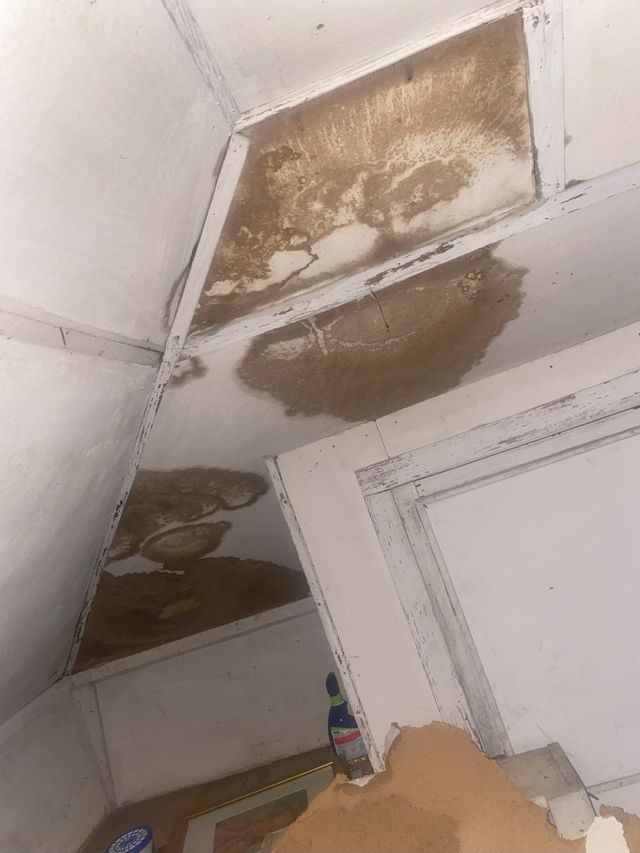
- Visible staining or spotting on walls or ceilings
- Peeling paint or bubbling drywall
- Warped baseboards or flooring
- Increased indoor humidity or a “damp” feeling indoors
In some cases, odors spread throughout the home even though no mold is visible. That usually indicates hidden growth behind walls, under flooring, or inside HVAC components.
Hidden Mold Sources Triggered by Rainy Season Conditions
During the rainy season, mold often develops in places homeowners don’t regularly inspect:
- Behind walls where rainwater seeps through small exterior cracks
- Under flooring where moisture rises from saturated soil
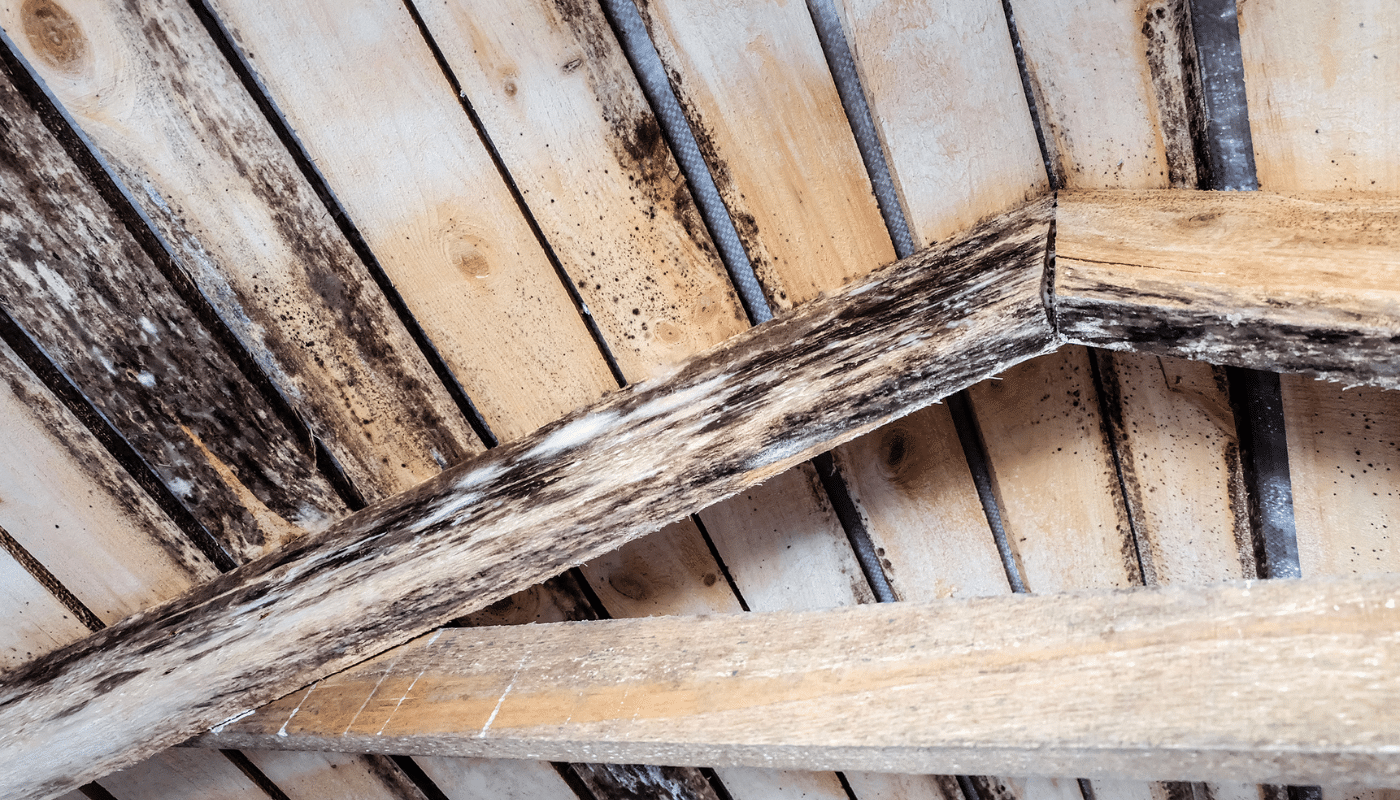
- Inside attics due to roof leaks or humid air intrusion
- In crawl spaces with poor drainage or ventilation
- Inside HVAC systems where condensation builds up
Because these areas stay damp for extended periods, mold can grow extensively before being discovered.
Why DIY Mold Cleanup Falls Short in the Rainy Season
Rainy-season mold problems are rarely surface-level issues. Wiping down visible mold with bleach or cleaners may improve appearances temporarily, but it doesn’t address the root cause.
Bleach cannot penetrate porous materials like drywall, wood, or insulation. Scrubbing mold without containment can also spread spores into the air, allowing mold to take hold in other rooms. Most importantly, DIY cleanup doesn’t resolve ongoing moisture issues caused by rain, humidity, or poor drainage.
As long as moisture remains, mold will return—often stronger than before.
Professional Mold Inspection and Testing Explained
A proper mold inspection during the rainy season focuses heavily on moisture behavior. In North Merritt Island homes, inspections typically include:
- Visual evaluation of rain-prone areas
- Moisture mapping to locate hidden dampness
- Inspection of roofs, walls, and foundations
- Assessment of HVAC systems and attic spaces
- Air or surface sampling when conditions warrant it
When testing is performed, results are explained in plain language to show whether indoor mold levels are elevated beyond normal outdoor levels. This helps determine the scope of remediation needed.
Proper Mold Removal and Remediation Process
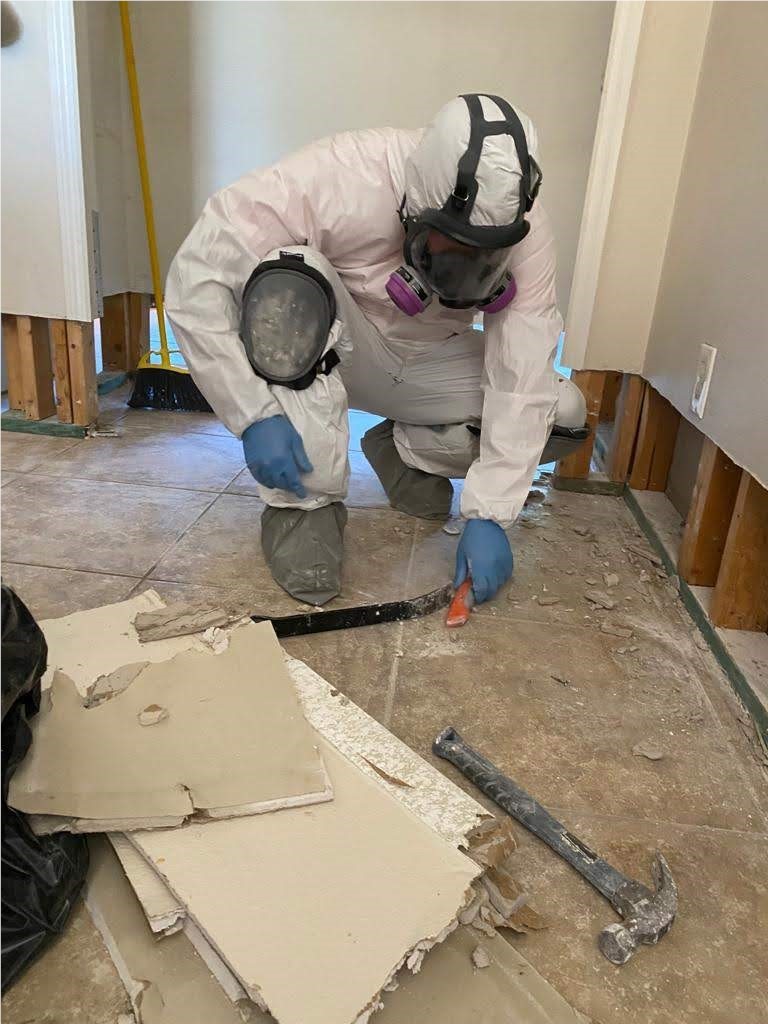
Effective rainy-season mold remediation follows a structured approach:
- Containment to prevent spore spread
- Removal of mold-affected materials when necessary
- Detailed cleaning of remaining surfaces
- Identification and correction of moisture sources
- Recommendations to reduce future rainy-season risk
The focus is always on long-term prevention, not just removing what’s visible.
How to Reduce Mold Risk During the Rainy Season
Rainy-season mold prevention in North Merritt Island requires proactive steps:
- Monitor indoor humidity levels consistently
- Ensure gutters and drainage systems are functioning properly
- Inspect roofs and exterior walls after heavy rain
- Maintain HVAC systems to reduce condensation
- Use dehumidification when needed during prolonged wet periods
- Schedule inspections if odors or dampness persist
Taking action early in the rainy season can prevent small moisture problems from turning into major mold issues.
Why Local North Merritt Island Experience Matters
Rainy-season mold behaves differently in coastal Florida than in inland or drier regions. Local experience matters because it includes knowledge of:
- How North Merritt Island’s water table affects homes
- Where rainwater typically infiltrates local structures
- How storms impact indoor moisture long after rainfall stops
- Construction styles common in waterfront and older neighborhoods
A local provider like Mold Removal Merritt Island understands these patterns and can identify problems faster and more accurately.
A Calm, Practical Next Step
If your North Merritt Island property feels damp, smells musty, or shows signs of moisture during the rainy season, it’s worth having it evaluated. Mold issues don’t usually resolve on their own once rainy conditions set in.
A professional inspection can clarify what’s happening, identify hidden moisture sources, and help you make informed decisions to protect your home throughout the rainy season and beyond.
Images
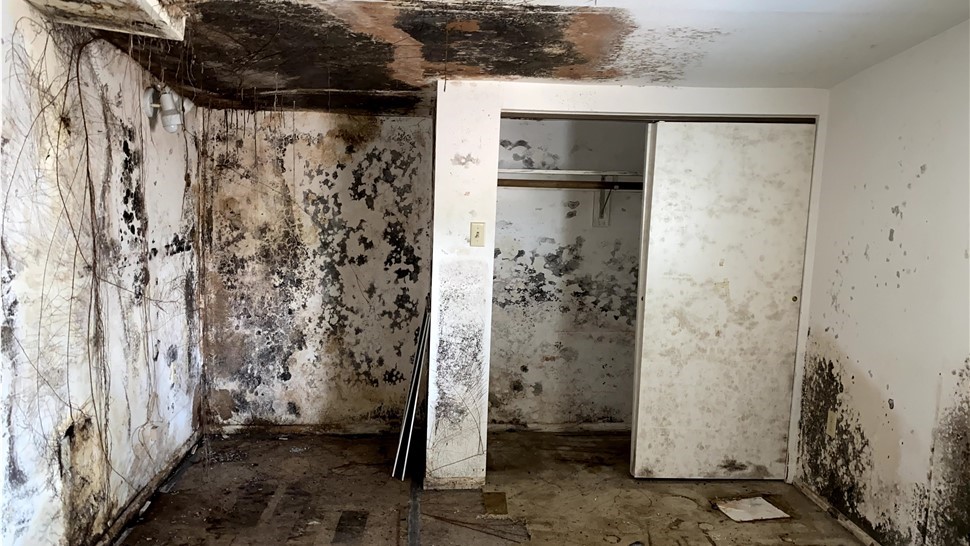
Rainy Season Mold on Interior Walls in a Florida Home
Mold Under Flooring From High Water Table After Heavy Rain


Attic Mold Caused by Roof Leaks and Humidity During Rainy Season