
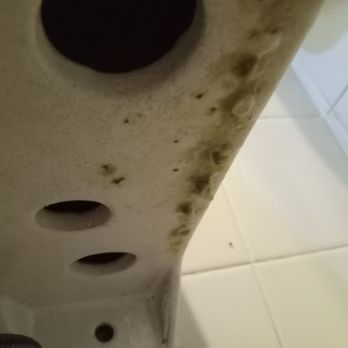
Mold During Home Sales in South Merritt Island: What Merritt Island Property Owners Should Know
Selling a home in South Merritt Island can be competitive—but mold issues can quickly derail a sale if they aren’t handled properly. Coastal humidity, salt air, frequent storms, and year-round AC use make mold a familiar concern for buyers, inspectors, and lenders in this area.
For Merritt Island property owners, understanding how mold affects home sales, inspections, disclosures, and negotiations is essential to protecting your asking price and keeping deals from falling apart.
Why Mold Is a Bigger Deal During Home Sales in South Merritt Island
Buyers in coastal Florida expect moisture issues—and that makes them extra cautious.
Coastal Climate Raises Buyer Sensitivity
South Merritt Island’s environment means buyers are alert to:
- Hidden moisture behind walls
- HVAC-related mold
- Recurring humidity problems
Even minor mold signs can signal bigger concerns in a buyer’s mind.
Common Mold Red Flags During Home Sales
These issues frequently stop or slow sales:
Musty Odors During Showings
Odors are often the first thing buyers notice. Even without visible mold, musty smells suggest:
- Hidden growth
- Poor ventilation
- HVAC contamination
Buyers often walk away—or lower offers—based on smell alone.
Visible Mold or Staining
Inspectors and buyers flag:
- Wall or ceiling stains
- Mold near vents or baseboards
- Discoloration in closets or bathrooms
Visible mold almost always leads to repair demands or price reductions.
Moisture Readings During Inspections
Home inspectors commonly use moisture meters. Elevated readings—even without visible mold—can:
- Trigger mold concerns
- Delay inspections
- Lead to further testing
Moisture alone can jeopardize a sale.
Mold Testing During Home Sales: What to Expect
Buyers may request mold testing when:
- Odors are present
- Moisture readings are high
- Health concerns are raised
Testing often compares indoor air to outdoor levels. Results showing elevated indoor mold can:
- Delay closing
- Require remediation
- Shift negotiation leverage to the buyer
Testing isn’t always required—but when it happens, results matter.
How Mold Impacts Price & Negotiations
Mold issues often lead to:
- Reduced offers
- Repair credits at closing
- Seller-paid remediation
- Extended closing timelines
Undocumented or poorly handled mold usually costs more during negotiations than fixing it early.
Disclosure Obligations Matter
Sellers are typically required to disclose known mold or moisture issues. Problems arise when:
- Mold was “cleaned” but not documented
- Moisture issues were ignored
- Repairs weren’t verified
Lack of documentation creates risk—for both the deal and potential liability.
How Professional Mold Removal Protects a Home Sale
Fixes the Root Cause Before Listing
Professional remediation addresses:
- Moisture sources
- HVAC contributions
- Hidden growth
This prevents surprises during buyer inspections.
Provides Documentation Buyers Trust
Reports, photos, and clearance testing show:
- The problem was handled correctly
- Mold is no longer active
- Moisture conditions are controlled
This builds buyer confidence and preserves value.
Prevents Last-Minute Deal Killers
Fixing mold before listing is far cheaper—and less stressful—than scrambling after a buyer finds it.
Seller Strategy: When to Address Mold
Best Time: Before Listing
- Control humidity
- Eliminate odors
- Fix known moisture issues
Worst Time: After Inspection
- Buyer has leverage
- Costs and concessions increase
- Timeline pressure rises
Early action protects both price and peace of mind.
Common Seller Mistakes to Avoid
- Painting over stains
- Using air fresheners to mask odors
- Choosing cheap cleanup without documentation
- Ignoring HVAC-related moisture
- Waiting for the buyer to “find it”
These almost always backfire in South Merritt Island sales.
Mold During Sales: Quick Scenario Comparison
| Scenario | Likely Outcome |
|---|---|
| Musty odors, no docs | Reduced offers |
| Visible mold found by buyer | Repair demands |
| Past mold, no proof | Buyer skepticism |
| Professional remediation + docs | Smooth sale |
| Ongoing humidity issues | Inspection delays |
Final Thoughts: Mold Control Is Sale Protection
In South Merritt Island, mold isn’t just a maintenance issue—it’s a sales issue.
For Merritt Island property owners, remember:
- Buyers are mold-aware
- Odors and moisture scare buyers fast
- Documentation protects negotiations
- Early professional action preserves value
Handled correctly, mold doesn’t have to stop a sale. Ignored—or hidden—it often does.
