Mold During Florida Summers in South Merritt Island: What Merritt Island Property Owners Should Know
Florida summers hit South Merritt Island hard. Long stretches of heat, heavy humidity, daily rain showers, and nonstop air conditioning create ideal conditions for mold to grow—often quietly and out of sight. For homeowners and property managers, summer is when small moisture issues can quickly turn into widespread mold problems.
Homes in South Merritt Island sit close to the Banana River and Indian River, where moisture levels stay elevated even on clear days. When warm outdoor air meets cool indoor surfaces, condensation forms. Over time, that moisture feeds mold in walls, floors, attics, and HVAC systems, sometimes before anyone realizes there’s an issue.
What Summer Mold Really Is
Summer mold isn’t a different species—it’s mold responding to extreme moisture conditions. During Florida summers, indoor humidity often stays high around the clock. Materials like drywall, wood framing, insulation, and flooring absorb moisture slowly and release it just as slowly.
When surfaces stay damp, mold spores settle in and grow. This often happens behind walls, under flooring, inside ductwork, or in attics where hot, humid air collects. By the time visible signs appear, mold may already be established in multiple areas of the home.
Why Summer Mold Is So Common in South Merritt Island
Several local factors make summer mold especially common in South Merritt Island:
- Relentless humidity that keeps indoor moisture levels elevated
- Frequent afternoon rain, even without major storms
- High water tables, which increase moisture beneath slab foundations
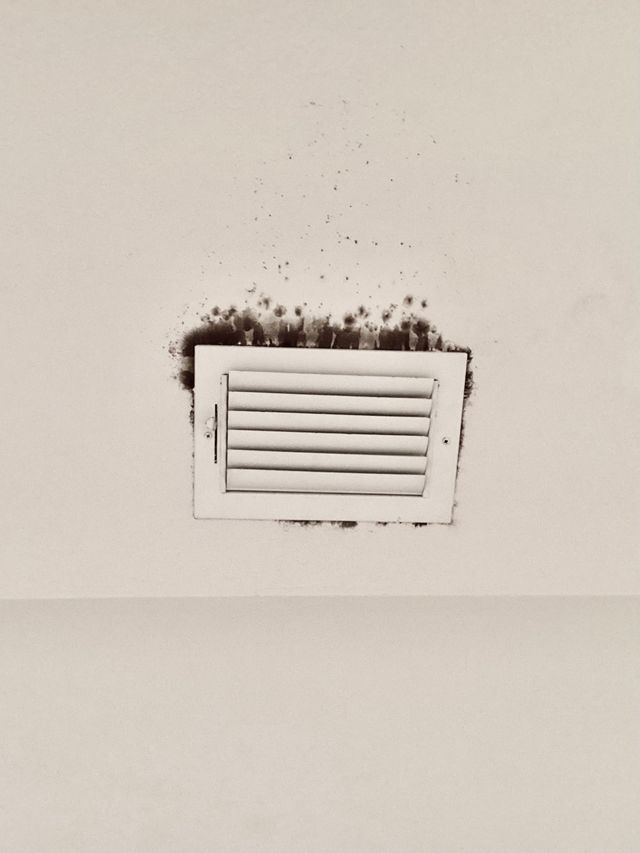
- Constant AC use, creating condensation on ducts and vents
- Coastal air exposure, which carries moisture inland
Many South Merritt Island homes are slab-on-grade and located near waterways. Moisture can rise through flooring or enter wall cavities without obvious leaks. Summer heat also drives people to keep homes tightly sealed, reducing ventilation and trapping humidity inside.
Common Signs Property Owners Notice in Summer
Summer mold problems often start subtly. Property owners may notice:
- Musty or stale odors that worsen during humid days
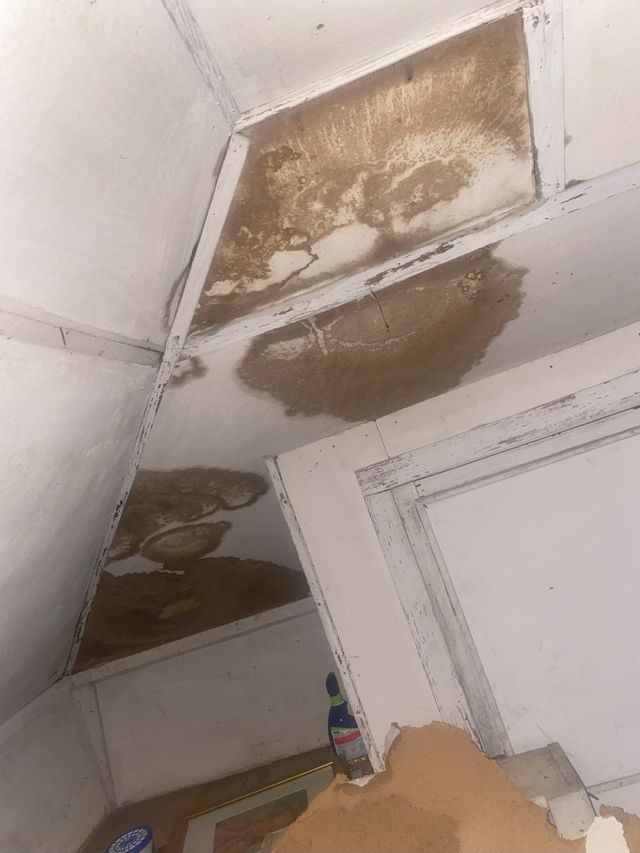
- Dark spots or discoloration on walls or ceilings
- Peeling paint or bubbling drywall near vents or exterior walls
- Condensation buildup around AC vents or windows
- Floors that feel soft, warped, or damp
In many cases, the smell spreads through the home even when no mold is visible. That’s usually a sign of hidden growth inside walls, ductwork, or insulation.
Hidden Mold Sources That Thrive in Summer
Some of the most common summer mold sources in South Merritt Island homes include:
- Inside HVAC systems and air ducts where condensation forms
- Behind walls cooled by air conditioning while outdoor air stays humid
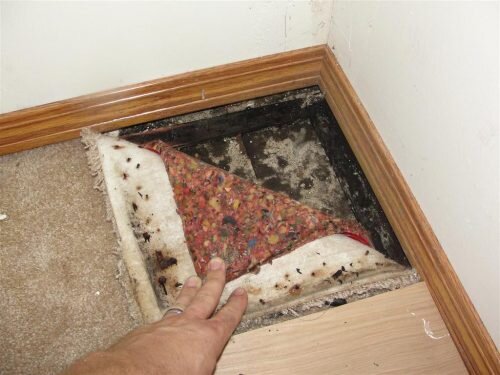
- Under flooring where moisture rises from the slab
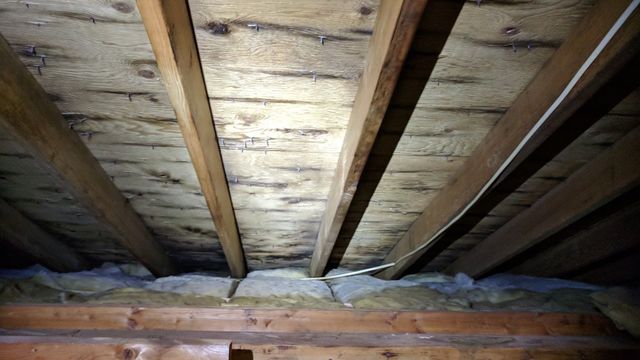
- In attics where hot, humid air meets cooler surfaces
- Around windows and exterior doors with minor air leaks
These areas stay warm and damp during summer, allowing mold to grow quickly without being disturbed.
Why DIY Mold Cleanup Rarely Works in Summer
Summer mold problems are usually moisture-driven, not surface-level. Wiping down visible mold with bleach or cleaners may remove stains temporarily, but it doesn’t address the conditions that caused the growth.
Bleach cannot penetrate porous materials like drywall or wood. Scrubbing mold without containment can release spores into the air, allowing them to spread to other rooms. Most importantly, DIY cleanup does nothing to control humidity, condensation, or hidden moisture sources that remain active all summer long.
As long as summer conditions persist, mold will keep coming back.
Professional Mold Inspection and Testing Explained
A proper summer mold inspection focuses on moisture behavior throughout the home. In South Merritt Island properties, inspections typically include:
- Visual inspection of moisture-prone areas
- Moisture mapping to locate damp materials
- Evaluation of HVAC systems, ducts, and vents
- Inspection of attics, exterior walls, and flooring
- Air or surface sampling when appropriate
When testing is used, results are explained clearly to show whether indoor mold levels are elevated compared to outdoor conditions, which is especially important during humid summer months.
Proper Mold Removal and Remediation Process
Effective mold remediation during summer follows a structured approach:
- Containment to prevent spores from spreading
- Removal of mold-affected materials when necessary
- Thorough cleaning of remaining surfaces
- Correction of moisture sources such as condensation or air leaks
- Prevention strategies tailored to summer conditions
The focus is always on long-term control, not quick cosmetic fixes.
How to Reduce Mold Risk During Florida Summers
Preventing summer mold in South Merritt Island requires consistent moisture management:
- Keep indoor humidity under control year-round
- Maintain HVAC systems to reduce condensation
- Ensure attic ventilation is functioning properly
- Seal exterior gaps that allow humid air intrusion
- Monitor areas near vents, windows, and flooring
- Schedule inspections if odors or moisture persist
Addressing moisture early in the summer can prevent mold from spreading during the most humid months.
Why Local South Merritt Island Experience Matters
Florida summer mold behaves differently than mold in cooler or drier regions. Local experience matters because it includes understanding:
- How coastal humidity affects indoor air daily
- How slab homes respond to prolonged summer moisture
- Where condensation typically forms in local construction
- How summer storms impact homes without visible flooding
A local provider like Mold Removal Merritt Island understands these patterns and can identify problems faster and more accurately.
A Calm, Practical Next Step
If your South Merritt Island home smells musty, feels damp, or shows signs of moisture during the summer, it’s worth having it evaluated. Summer mold issues rarely resolve on their own while heat and humidity remain high.
A professional inspection can identify hidden moisture, clarify what’s happening, and help you make informed decisions to protect your home throughout Florida’s long summer season.
Images
Mold Growth Near AC Vents From Summer Condensation


Hidden Mold Under Flooring in a Slab Home During Humid Summer
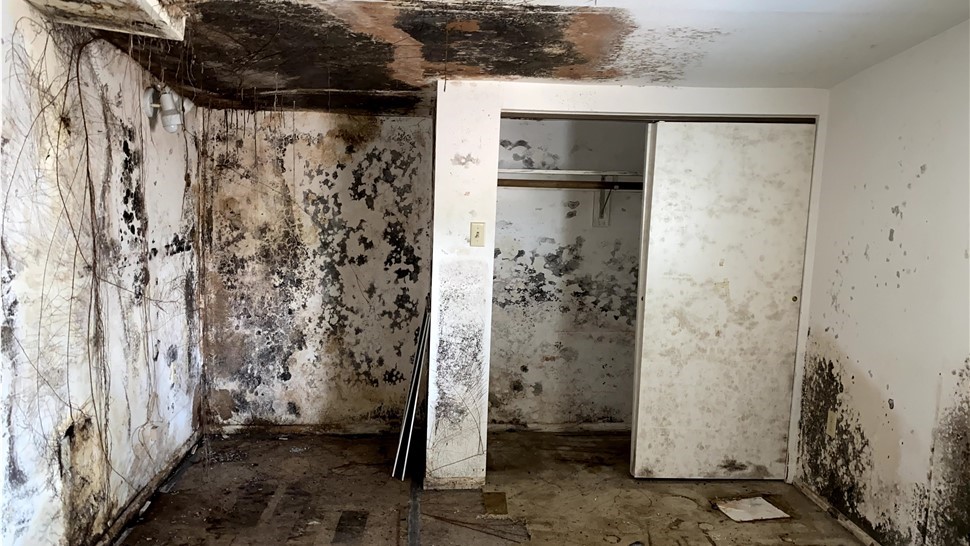

Attic Mold Caused by Heat and Humidity in Florida Summer