
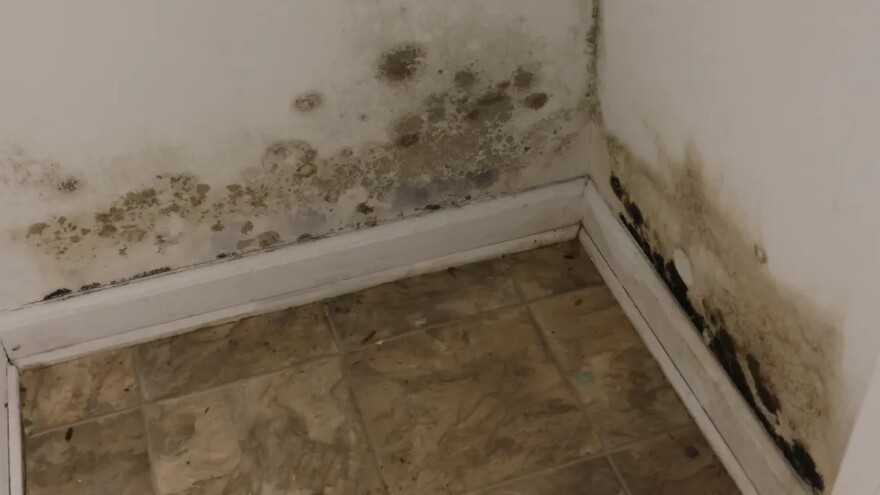
Mold Concerns in Newly Renovated Homes in Merritt Island
Renovating a home in Merritt Island is an exciting process. Many homeowners update kitchens, replace flooring, modernize bathrooms, or remodel entire interiors to match modern styles and improve property value. Across North Merritt Island, South Merritt Island, and neighborhoods near Sykes Creek, Banana River, and the Indian River, renovations have become increasingly common as older homes are refreshed.
But one unexpected problem often appears after remodeling projects: mold.
It surprises many homeowners when mold shows up in a home that was just renovated. After all, everything looks new and clean. Yet mold problems frequently develop in newly remodeled homes on Merritt Island, sometimes within months of construction.
This happens not because renovations cause mold directly, but because construction activity and coastal humidity can combine to create hidden moisture problems.
Understanding why mold appears after renovations can help homeowners protect their investment and avoid frustrating surprises.
What the Mold Issue Really Is
Mold spores are present everywhere outdoors and easily enter homes during daily living. Normally, spores remain inactive until moisture allows them to grow.
During renovations, moisture can be introduced in several ways:
• Walls opened and closed before materials fully dry
• New drywall installed with trapped moisture
• Flooring placed over damp concrete
• AC systems adjusted during construction
• Humid outdoor air entering during open-door work
When moisture becomes trapped behind new materials, mold can begin growing out of sight.
Because everything looks new on the surface, homeowners often don’t realize mold is developing until odors appear or stains show through finished surfaces.
Why This Happens So Often in Merritt Island
Renovation-related mold concerns are especially common in Merritt Island due to local climate conditions.
Persistent Coastal Humidity
Humidity remains high throughout much of the year. During renovations, doors and windows are often open, allowing humid air to enter continuously.
Construction During Rainy Seasons
Many remodeling projects happen in summer, when rain and humidity are highest. Materials may absorb moisture before installation.
AC Systems Running Differently
During renovations, AC systems may be turned off or adjusted while work occurs. This allows humidity to build inside the home.
High Water Table Moisture
Concrete slabs and crawl spaces may release moisture upward, especially after rainy periods, affecting new flooring installations.
Waterfront Exposure
Homes near Banana River or Sykes Creek experience even higher humidity exposure, increasing moisture risk during renovations.
When construction timing and coastal humidity combine, moisture can become trapped behind newly installed materials.
Common Signs Homeowners Notice
Mold problems after renovations often appear in subtle ways at first.
Homeowners may notice:
• Musty odors in newly renovated rooms
• Dark spots forming on ceilings or walls
• Paint bubbling or discoloration
• Damp smells in closets or cabinets
• Mold appearing near vents or windows
• Warped flooring or trim
• Indoor air feeling humid despite AC use
Because finishes are new, these signs can be confusing or mistaken for normal construction settling.
Hidden or Overlooked Mold Sources After Renovation
Newly remodeled homes can hide mold in areas homeowners rarely see.
Behind New Drywall
Walls closed before framing dries can trap moisture, allowing mold growth inside wall cavities.
Under New Flooring
Moisture in slabs or subfloors can become trapped beneath new tile, laminate, or vinyl floors.
Attics Disturbed During Work
Renovation projects often disturb attic insulation or ventilation, leading to moisture buildup.
HVAC Changes
Ductwork adjustments or equipment replacement sometimes create condensation problems.
Bathrooms and Kitchens
Improper ventilation upgrades during remodeling allow humidity to accumulate.
Previously Hidden Damage
Renovations sometimes cover past leaks without fully addressing moisture issues.
Because these areas are hidden, mold may spread unnoticed until symptoms appear later.
Why DIY Mold Removal Usually Fails
When mold appears after renovations, homeowners often try cleaning visible spots themselves.
Unfortunately, this rarely solves the real issue.
Bleach or cleaners may remove surface staining, but mold growing behind walls or under flooring remains active.
DIY cleaning also risks spreading spores through the air.
Most importantly, cleaning visible mold does not remove trapped moisture, so mold often returns.
Homes across Merritt Island frequently experience recurring mold problems after renovation-related cleaning attempts.
Professional Mold Inspection & Testing Explained
Professional mold inspections focus on locating hidden moisture behind new materials.
Inspections typically include:
• Visual examination of renovation areas
• Moisture meter testing inside walls and floors
• Thermal imaging to locate trapped moisture
• Attic and crawl space inspection
• HVAC system evaluation
When necessary, air or surface samples help determine indoor mold levels compared to outdoor air.
Lab results guide remediation decisions and confirm contamination severity.
The focus is always identifying moisture sources so problems don’t repeat.
Proper Mold Removal & Remediation Process
Professional remediation corrects both contamination and moisture problems.
A proper remediation process usually includes:
Containment Setup
Affected areas are sealed to prevent spore spread.
Safe Removal
Contaminated materials are removed or professionally cleaned.
Moisture Source Correction
Humidity or moisture sources are corrected before rebuilding.
Air Filtration Cleaning
Air scrubbers remove airborne spores during cleanup.
Prevention Planning
Steps are recommended to reduce future moisture buildup.
Local specialists such as Mold Removal Merritt Island follow structured processes to ensure mold does not return after remediation.
How to Prevent Mold After Home Renovations
Homeowners planning or completing renovations can reduce mold risks with proper preparation.
Helpful prevention steps include:
• Ensure building materials remain dry before installation
• Avoid major renovations during peak rainy season when possible
• Maintain AC operation during construction
• Test slab moisture before flooring installation
• Improve ventilation in remodeled bathrooms and kitchens
• Inspect roofs and plumbing before closing walls
• Use dehumidifiers during renovation projects
• Check crawl spaces and attics after work is completed
Post-renovation inspections help identify hidden moisture before mold spreads.
Why Local Merritt Island Experience Matters
Renovation projects vary widely across Merritt Island homes, from older waterfront houses to inland slab properties.
Professionals familiar with island housing understand:
• Common moisture problems after remodeling
• Construction differences across neighborhoods
• Coastal humidity impacts on renovations
• HVAC adjustments common during remodels
• Storm-related moisture risks during construction
Local experience allows faster identification of hidden moisture issues and better long-term solutions.
Professionals serving the island, including Mold Removal Merritt Island, understand the challenges of remodeling homes in coastal Florida conditions.
A Calm, Practical Next Step for Homeowners
If musty odors or mold appear after renovations, it’s important to investigate sooner rather than later.
Moisture trapped during construction can quietly cause damage behind new finishes. Early inspection usually prevents larger repairs later.
A professional evaluation helps determine whether mold exists and identifies moisture problems before they spread further.
Taking action early protects your renovation investment and keeps your home comfortable through Merritt Island’s humid seasons.
Image Generation Prompts
- Mold growth forming behind newly installed drywall in a coastal Florida home after renovation, realistic lighting, clean residential interior, no people, no logos, uncluttered scene.
- Condensation mold forming near air conditioning vent in a newly renovated Florida home, realistic environment, clean interior setting, no people, no text.
