
Mold Behind Walls in Sykes Creek: What Merritt Island Property Owners Should Know
Mold behind walls is one of the most frustrating problems homeowners in Sykes Creek can face. Unlike mold that appears on ceilings or tile, hidden mold can grow quietly for months before anyone realizes there is a problem. In coastal communities like Merritt Island, humidity, plumbing leaks, and storm-related moisture create conditions where hidden mold can develop more easily than many people expect.
Understanding how mold forms behind walls, what warning signs to watch for, and how it is properly addressed helps property owners prevent long-term damage and maintain a healthier home environment.
What Mold Behind Walls Is
Mold behind walls develops when moisture enters wall cavities and remains trapped. Drywall, wood framing, insulation, and dust all provide organic material mold can feed on. Because these areas are enclosed and poorly ventilated, moisture may remain much longer than in open spaces.
Mold needs three basic conditions:
- Moisture
- Organic material
- Warm temperatures
Wall cavities in Florida homes often provide all three when leaks or humidity are present.
Why Mold Behind Walls Is Common in Sykes Creek
Homes in Sykes Creek experience environmental conditions that increase the likelihood of hidden mold.
Coastal humidity
Moist air from nearby waterways keeps indoor humidity elevated throughout much of the year.
Frequent storms and heavy rain
Wind-driven rain can allow moisture to enter around windows, roofs, or siding.
Plumbing leaks
Slow leaks inside walls can remain unnoticed for long periods.
Air-conditioning condensation
Temperature differences can cause condensation inside wall cavities, especially near ducts or pipes.
Because these conditions are common in Merritt Island homes, hidden mold is often discovered during inspections rather than by visual signs alone.
Early Signs Mold May Be Present Behind Walls
Even though mold is hidden, homeowners often notice indirect warning signs.
Common indicators include:
- Musty or damp odors
- Stains or discoloration on walls
- Peeling paint or bubbling drywall
- Warped baseboards
- Unexplained indoor humidity
These signs usually indicate a moisture problem, which is the primary cause of mold growth.
Where Mold Behind Walls Is Most Likely to Develop
Certain areas of a home are more prone to hidden mold than others.
Typical locations include:
- Around plumbing lines in kitchens and bathrooms
- Below windows or exterior walls
- Behind shower walls or tubs
- Near roof or ceiling leaks
- Around HVAC ducts or air handlers


Because these areas are concealed, mold may spread before visible damage appears.
Hidden Moisture Sources That Lead to Wall Mold
In many cases, mold behind walls develops from moisture sources homeowners may not immediately notice.
Common causes include:
- Slow plumbing leaks
- Roof leaks traveling down wall cavities
- Condensation on cold water pipes
- Window or siding leaks during storms
- Flooding or water intrusion
Moisture trapped inside insulation or drywall can take weeks to dry completely, which provides time for mold to develop.
Why Mold Behind Walls Should Be Addressed Early
Hidden mold may seem less urgent because it is not visible, but it can still cause significant damage over time.
If left untreated, mold behind walls can:
- Damage drywall and insulation
- Affect wood framing
- Spread into adjacent rooms
- Create persistent odors
Early detection often reduces repair costs and prevents larger structural problems.
Why DIY Methods Often Miss Hidden Mold
Surface cleaning or repainting walls may temporarily improve appearance, but it rarely addresses mold inside the wall cavity.
DIY methods may fall short because:
- Moisture sources are not corrected
- Mold inside insulation remains
- Hidden growth cannot be seen or reached
- Improper cleaning may spread spores
Professional evaluation is often necessary to locate the source and extent of the problem.
How Professional Mold Inspection Helps
A professional inspection is designed to detect moisture and mold that cannot be seen directly.
Inspectors may use:
- Moisture meters to locate damp areas
- Thermal imaging to identify hidden moisture
- Visual inspection of plumbing, roofs, and ventilation
Professionals familiar with local conditions, such as Mold Removal Merritt Island, understand how humidity and storms affect homes in Sykes Creek and can help identify problems accurately.

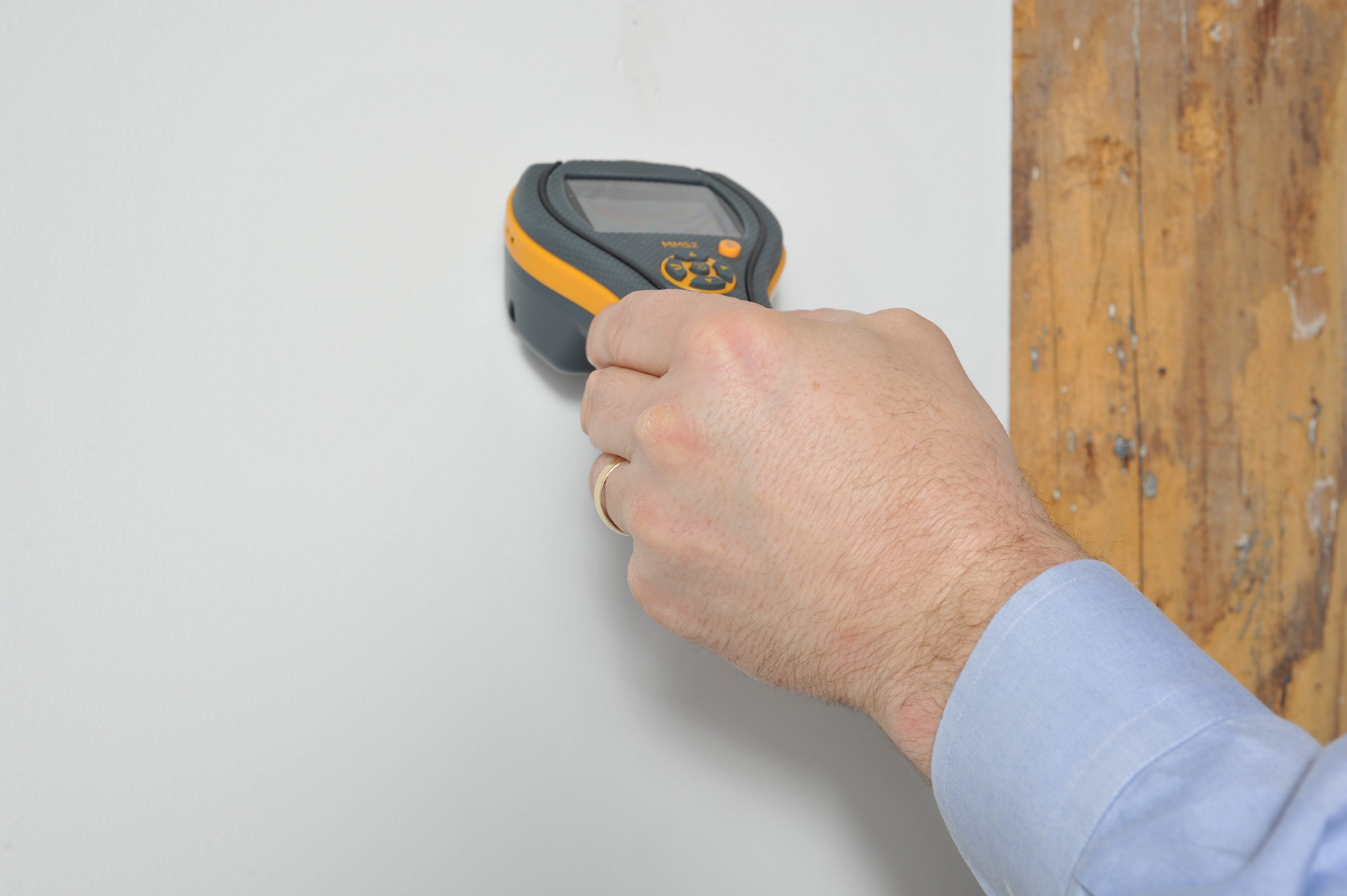
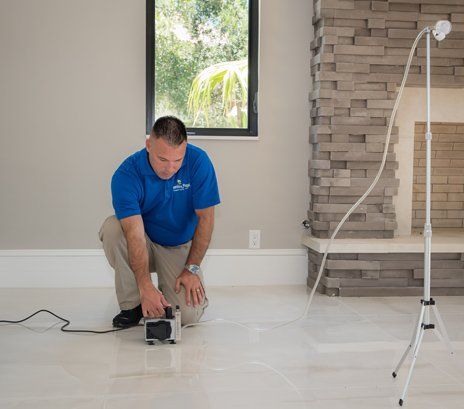
These tools allow inspectors to locate problems without unnecessary demolition.
How Mold Remediation Works Behind Walls
If mold is confirmed, remediation focuses on safe removal and correcting the moisture source.
Typical steps include:
- Containing affected areas
- Removing sections of drywall when necessary
- Cleaning and drying structural components
- Repairing leaks or moisture sources
- Restoring walls after drying is complete


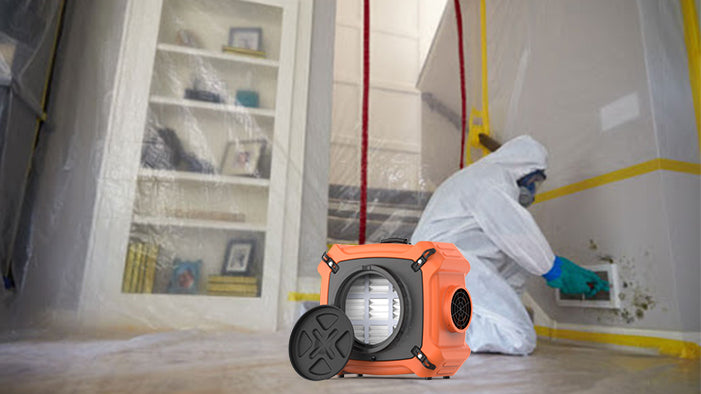
Correcting the source of moisture is the most important step in preventing mold from returning.
How to Prevent Mold Behind Walls
Preventive maintenance is the most effective way to reduce mold risks.
Homeowners can help prevent hidden mold by:
- Repairing plumbing leaks promptly
- Inspecting roofs and ceilings after storms
- Sealing windows and exterior openings
- Maintaining indoor humidity between 45–55%
- Monitoring areas near pipes or exterior walls
Routine inspections often catch moisture problems before mold develops.
The Importance of Moisture Control in Coastal Homes
In coastal environments like Sykes Creek, moisture control is essential. Even small leaks can lead to mold if humidity levels are already high.
Helpful moisture-control practices include:
- Using exhaust fans in kitchens and bathrooms
- Servicing HVAC systems regularly
- Ensuring proper attic ventilation
- Using dehumidifiers when needed
These steps help keep indoor conditions balanced and reduce the likelihood of hidden mold.
Why Local Experience Matters in Sykes Creek
Mold behavior in coastal Brevard County differs from inland areas. Homes in Sykes Creek often experience:
- Higher baseline humidity
- Frequent storms and heavy rain
- Salt air exposure affecting building materials
- Continuous AC operation
Professionals familiar with these local conditions can diagnose moisture problems more quickly and recommend solutions suited to coastal homes. Local experience often helps prevent recurring mold issues.
A Calm, Practical Next Step
Mold behind walls is a common issue in humid climates, but most problems can be managed effectively when addressed early. Paying attention to musty odors, stains, or signs of moisture and responding quickly can prevent larger repairs later.
If you suspect hidden moisture or mold in your home, having the area evaluated can help determine whether mold is present and what steps may be needed. For homeowners in Sykes Creek and throughout Merritt Island, staying proactive with moisture control and routine inspections remains one of the most reliable ways to keep homes dry, comfortable, and well maintained year-round.
