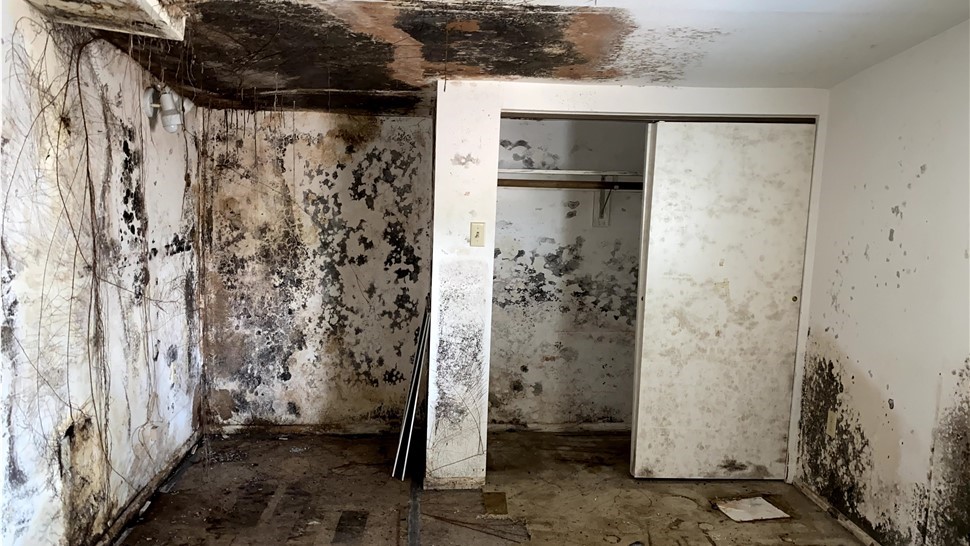
Mold Behind Walls in Banana River: What Merritt Island Property Owners Should Know
Homes along the Banana River enjoy waterfront views and coastal breezes, but those same conditions create one of the most challenging environments for hidden mold—especially behind walls. In Merritt Island, mold behind walls is a common issue because moisture often enters quietly and stays trapped where homeowners can’t see it.
For property owners in Banana River neighborhoods, understanding how wall mold develops, what signs to watch for, and how it’s properly addressed can help prevent long-term damage and costly repairs.
Why Mold Behind Walls Is So Common Near the Banana River
Mold behind walls almost always starts with moisture. In Banana River homes, that moisture doesn’t need to come from a major flood or obvious leak.
Common local contributors include:
- High coastal humidity year-round
- Wind-driven rain during storms pushing moisture into walls
- Salt air, which degrades exterior seals and flashing
- Plumbing lines inside walls that develop slow leaks
- AC condensation affecting interior wall cavities
- High water tables increasing overall moisture pressure
Because walls are enclosed and poorly ventilated, even small amounts of moisture can linger long enough for mold to grow.
How Moisture Gets Trapped Inside Walls
Moisture enters wall cavities in more ways than most homeowners realize. In Banana River properties, it commonly happens through:
- Roof or window leaks allowing water to travel downward
- Plumbing leaks from supply lines or drain pipes
- Failed exterior caulking or siding joints
- Condensation forming on cold pipes inside walls
- Storm-related moisture intrusion that never fully dries
Once inside the wall, moisture is slow to escape—creating ideal conditions for mold growth on drywall, wood framing, and insulation.
Early Signs Mold May Be Growing Behind Walls
Because wall mold is hidden, warning signs are often subtle. Property owners frequently notice:
- Musty or earthy odors that don’t go away
- Discoloration or staining on drywall
- Bubbling or peeling paint
- Soft or warped drywall
- Baseboards pulling away from walls
- Rooms that feel damp despite AC use
These signs often appear weeks or months after moisture first enters the wall.
Why Mold Behind Walls Is Hard to Detect
Behind-wall mold can grow extensively without ever becoming visible. Drywall can look intact while mold spreads on the backside of the material or on framing inside the cavity.
In Banana River homes, elevated humidity slows drying and allows mold to remain active longer, especially after storms or periods of heavy rain.
Why DIY Checks Rarely Find Wall Mold
Visual inspections and store-bought test kits rarely locate mold behind walls. Mold doesn’t need to break through drywall to affect indoor conditions, and surface testing doesn’t reveal what’s happening inside wall cavities.
Cutting into walls without proper evaluation can also spread mold spores and create unnecessary damage.
How Professionals Locate Mold Behind Walls
Professional inspections focus on moisture first. In Banana River properties, this typically includes:
- Visual inspection of moisture-prone areas
- Moisture meter readings inside walls
- Thermal imaging to locate hidden dampness
- Evaluation of exterior wall conditions
- Targeted sampling when appropriate
This approach helps determine where moisture is entering and how far mold may have spread.
Mold Remediation Behind Walls Explained
If mold is confirmed behind walls, remediation focuses on safe access and proper containment. Affected drywall or insulation may need to be removed to fully address contamination.
Containment prevents spores from spreading into living areas. Just as important, the moisture source must be corrected—whether it’s a plumbing leak, exterior intrusion, or condensation issue.
A local company like Mold Removal Merritt Island understands how Banana River homes are built and how coastal moisture moves through wall systems, which is critical for long-term success.
Why Surface Repairs Alone Don’t Work
Painting over stains or patching drywall without addressing moisture almost always leads to mold returning. Mold behind walls will continue growing as long as moisture remains—even if the surface looks repaired.
True resolution requires identifying the source, drying the wall cavity, and removing contaminated materials when necessary.
Preventing Mold Behind Walls in Banana River Homes
Prevention starts with moisture control. Property owners can reduce risk by:
- Inspecting exterior walls and seals regularly
- Addressing plumbing leaks immediately
- Monitoring indoor humidity levels
- Inspecting walls after storms
- Maintaining proper AC drainage and airflow
Routine inspections are especially important for waterfront homes exposed to wind-driven rain.
Why Local Experience Matters
Wall mold behaves differently in coastal homes than inland properties. Banana River homes face unique challenges related to salt air, storms, and high humidity.
Local experience helps identify common failure points and moisture pathways specific to Merritt Island construction styles and waterfront exposure.
A Practical, Calm Next Step
If you suspect mold behind walls in your Banana River property—or notice persistent odors or wall damage—a professional inspection can provide clarity. It’s not about fear; it’s about understanding what’s happening inside your walls and fixing it correctly.
Early evaluation helps prevent hidden mold from turning into extensive structural damage and protects the long-term condition of your home.