
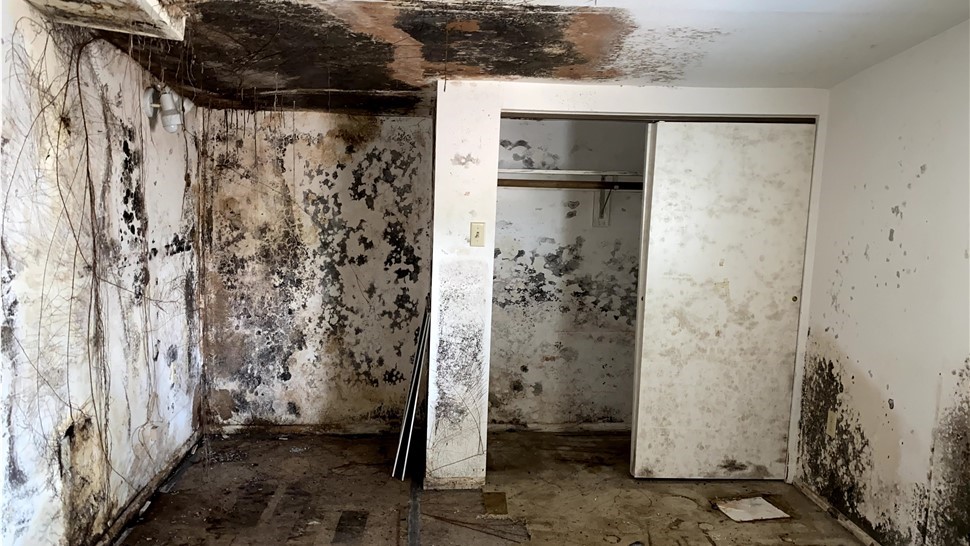
Mold Behind Walls in Banana River: What Merritt Island Property Owners Should Know
Mold behind walls is one of the most damaging and hardest-to-detect mold problems facing properties near the Banana River. With constant waterfront humidity, frequent storms, and aging construction in many homes, moisture can seep into wall cavities and remain hidden for months—allowing mold to spread unchecked.
For Merritt Island property owners, understanding how mold develops behind walls, why it’s so common in the Banana River area, and how to catch it early is critical for protecting property value, indoor air quality, and occupant health.
🧠 Why Mold Behind Walls Is Common in Banana River Homes
Wall cavities provide darkness, warmth, and limited airflow—ideal conditions for mold when moisture is present.
🌊 Waterfront Humidity & Condensation
Homes near the Banana River experience elevated humidity year-round. When humid air penetrates walls and meets cooler interior surfaces, condensation can form inside wall cavities—especially on exterior-facing walls.
This moisture often goes unnoticed, feeding mold growth behind drywall.
💧 Hidden Water Intrusion
Mold behind walls commonly starts from:
- Slow plumbing leaks inside walls
- Roof or window leaks allowing water into wall cavities
- Storm-driven rain penetrating siding or flashing
- AC condensation lines leaking behind drywall
Because these leaks aren’t visible, moisture may persist for long periods.
🏠 Older Construction & Materials
Many Banana River homes were built decades ago and may include:
- Porous drywall and insulation
- Limited vapor barriers
- Aging plumbing lines
These materials absorb moisture easily and support hidden mold growth.
📈 Why Mold Behind Walls Is a Serious Issue
Hidden mold is often more severe than visible mold.
😷 Health Effects Without Obvious Cause
Mold behind walls releases spores into indoor air through:
- Electrical outlets
- Baseboards
- HVAC air movement
Occupants may experience:
- Chronic coughing or congestion
- Headaches or fatigue
- Allergy or asthma flare-ups
Symptoms often worsen indoors and improve when leaving the home.
🏚 Structural Damage
Over time, hidden mold can damage:
- Drywall and insulation
- Wooden studs and framing
- Electrical and plumbing components
By the time mold is discovered, repairs may require opening and rebuilding walls.
📉 Property Value & Inspection Issues
Mold behind walls frequently leads to:
- Failed home inspections
- Delayed real estate transactions
- Reduced property value
- Insurance complications
Early detection helps avoid extensive demolition and repairs.
🔍 Warning Signs Mold May Be Growing Behind Walls
Because mold is hidden, symptoms often appear before visible signs.
🚩 Common Indicators
- Persistent musty odors
- Bubbling or peeling paint
- Discoloration or staining on walls
- Warped drywall or soft wall areas
- Unexplained indoor humidity
- Ongoing health complaints from occupants
These signs often justify a professional mold inspection.
🧪 How Mold Behind Walls Is Detected
Hidden mold cannot be confirmed by sight alone.
🔎 Professional Mold Inspection
An inspection may include:
- Moisture readings inside walls
- Thermal imaging to detect damp areas
- Targeted wall cavity checks near plumbing or exterior walls
🧫 Mold Testing
Testing may involve:
- Air sampling to measure airborne spores
- Surface or cavity sampling from affected wall areas
Lab results help confirm whether hidden mold is present and guide remediation.
🧼 How Mold Behind Walls Is Properly Addressed
Hidden mold requires controlled, professional remediation.
🧰 Professional Remediation May Include:
- Containment to prevent spore spread
- Removal of affected drywall and insulation
- HEPA air filtration
- Antimicrobial treatment of framing
- Repair of leaks or moisture sources
- Rebuilding walls with moisture-resistant materials
Cleaning surfaces alone is ineffective when mold is inside wall cavities.
🛠 Preventing Mold Behind Walls in Banana River Homes
Prevention focuses on moisture control and early detection.
✅ Inspect for Leaks Regularly
- Monitor plumbing fixtures and supply lines
- Check walls near bathrooms and kitchens
- Inspect exterior walls after storms
✅ Control Indoor Humidity
- Maintain 30–50% indoor humidity
- Use dehumidifiers during humid months
- Ensure proper HVAC airflow
✅ Address Water Damage Immediately
- Dry water intrusion within 24–48 hours
- Don’t paint over water stains
- Investigate recurring wall discoloration
✅ Upgrade Materials When Renovating
- Mold-resistant drywall
- Proper vapor barriers
- Moisture-resistant insulation
🧪 Hidden Wall Mold vs. Surface Mold
- Surface mold is visible and easier to treat
- Hidden wall mold spreads unseen and causes greater damage
Catching hidden mold early dramatically reduces remediation cost and disruption.
🧑🔧 Final Thoughts: What You Can’t See Can Cost You
In Banana River homes, mold behind walls is far more common than many property owners realize—and far more expensive if ignored.
For Merritt Island property owners, remember:
- Waterfront humidity drives hidden wall mold
- Mold often grows long before it’s visible
- Health symptoms may be the first warning sign
- Early inspection prevents major demolition
Staying proactive with moisture control and inspections is the best defense against costly hidden mold problems.
