
Mold and Respiratory Issues in Indian River: What Merritt Island Property Owners Should Know
Living near the Indian River is one of Merritt Island’s biggest draws. Waterfront views, breezes off the water, and a laid-back coastal atmosphere make the area highly desirable. At the same time, these same conditions create ongoing moisture challenges that directly affect indoor environments. High humidity, salt air exposure, frequent storms, and a high water table all increase the likelihood of mold growth inside homes.
When mold is present, property owners often hear concerns about breathing comfort or air quality from occupants. These concerns are not about diagnosing health conditions but about understanding how mold changes indoor air and why homes near the Indian River are especially vulnerable. For property owners, the focus should remain on moisture control, building conditions, and prevention.
Why Mold and Respiratory Complaints Often Overlap Near the Indian River
Mold thrives in damp environments, and moisture is constant near the Indian River. Even when there are no visible leaks or floods, humidity alone can support mold growth on building materials.
As mold grows, it releases microscopic particles and byproducts into the air. These changes can make indoor air feel heavier, musty, or stale. Occupants may describe discomfort or difficulty feeling comfortable indoors, especially during humid periods.
In Indian River homes, these complaints often arise before mold is visible, because growth is commonly hidden behind walls, under flooring, or inside HVAC systems.
How Mold Affects Indoor Air in Coastal Homes
Mold primarily impacts a home through the air. Growth releases spores and other airborne particles that circulate through rooms and ventilation systems.
In waterfront homes, air conditioning systems run frequently to manage heat and humidity. If mold is present in air handlers, ductwork, or nearby building materials, those particles can be distributed throughout the home.
This is why indoor air concerns often feel widespread, even when mold growth is limited to a small or hidden area.
Common Mold Locations in Indian River Properties
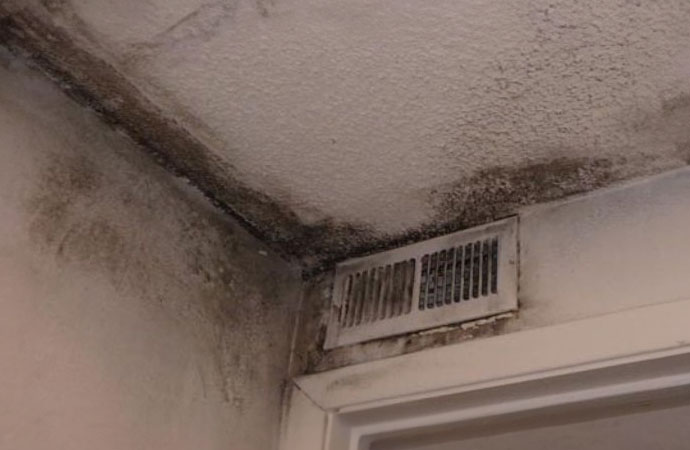
Mold in Indian River homes often develops where moisture lingers unnoticed. HVAC systems are one of the most common sources. Condensation inside air handlers, drain pans, and ductwork creates ideal conditions for mold if moisture is not properly managed.
Attics are another frequent problem area. Warm, humid air rises and condenses on roof decking when ventilation is inadequate. Over time, this can lead to widespread attic mold that affects indoor air below.
Slab foundation homes near the river are also vulnerable. Ground moisture can migrate upward after heavy rain, allowing mold to grow beneath flooring or along lower wall sections.
Why Occupants Notice Air Issues Before Seeing Mold
In many Indian River homes, mold grows in concealed areas. Behind drywall, inside insulation, or under flooring, growth can continue for months without visible signs.
Even when hidden, mold still affects indoor air. Odors may appear first, especially after storms or during periods of high humidity. Rooms may feel damp or uncomfortable despite air conditioning.
These early signs often prompt questions about air quality long before mold is discovered visually.
The Role of Humidity in Mold-Related Air Problems
Humidity is the main driver of mold growth in Merritt Island. When indoor humidity stays elevated, materials absorb moisture from the air.
Air conditioning systems must run efficiently and long enough to remove moisture. Oversized systems, poor maintenance, or clogged drain lines can reduce dehumidification, even when temperatures feel cool.
In Indian River homes, lapses in humidity control often explain why mold becomes active and indoor air complaints increase.
HVAC Systems and Airborne Mold Concerns
HVAC systems strongly influence indoor air conditions. When moisture accumulates inside air handlers or ductwork, mold can develop and release particles into airflow.
Salt air exposure near the Indian River can accelerate corrosion and degrade insulation, increasing condensation problems. If mold grows inside the system, particles can be distributed throughout the home each time the system runs.
Musty odors or discomfort that worsen when the AC is operating often point to HVAC-related moisture issues.
Attics and Their Impact on Indoor Air
Attic mold is a common but overlooked contributor to indoor air concerns. Poor ventilation allows heat and moisture to build up, especially during humid summers.
Mold growth on roof decking or framing can release odors and particles that travel downward through ceiling penetrations, light fixtures, and duct chases. Property owners may notice air quality issues without realizing the source is above the living space.
Regular attic inspections are especially important for Indian River homes due to storm exposure and humidity.
Hidden Mold Behind Walls and Floors
Walls and flooring can conceal mold growth for long periods. Small plumbing leaks, condensation, or slab moisture may never reach the surface.
Mold growing behind drywall or under flooring materials can affect indoor air without obvious visual clues. Odors may be strongest near baseboards, closets, or low-lying areas.
These hidden conditions explain why indoor air concerns can seem out of proportion to what is visible in the home.
Why Surface Cleaning Does Not Resolve Air Issues
Surface cleaning may remove visible mold or temporarily reduce odors, but it does not address growth hidden inside building materials.
In Indian River homes, humidity remains unless actively controlled. Mold continues to grow quietly, and air quality concerns usually return.
Effective resolution requires identifying moisture sources, correcting them, and addressing any affected materials properly.
How Professional Inspections Clarify Mold and Air Concerns
Professional mold inspections focus on moisture behavior and airflow patterns, not just visible mold. Inspectors evaluate HVAC systems, attics, wall cavities, and flooring systems while measuring moisture levels.
In Indian River properties, inspections often reveal combinations of humidity issues, condensation problems, and hidden growth. Air or surface sampling may be used when appropriate to support findings.
This approach helps property owners understand why indoor air concerns exist and how to address them effectively.
Mold Removal Merritt Island works with local property owners to identify mold-related indoor air issues using methods tailored to coastal conditions.
Preventing Mold-Related Indoor Air Problems
Prevention starts with moisture control. Regular HVAC maintenance helps ensure proper dehumidification and drainage. Clear drain lines, clean coils, and intact duct insulation reduce moisture buildup.
Using bathroom and kitchen ventilation consistently prevents moisture from spreading. Maintaining proper attic ventilation helps keep humid air from accumulating above living spaces.
For homes near the Indian River, monitoring indoor humidity provides valuable insight into mold risk.
Why Local Experience Makes a Difference
Mold behavior near the Indian River is shaped by coastal humidity, salt air exposure, and local building styles. Solutions that work inland may not be effective here.
Local experience means understanding where moisture commonly accumulates, how HVAC systems behave in waterfront homes, and why mold often affects indoor air before becoming visible.
This knowledge leads to more accurate assessments and practical long-term solutions.
A Practical, Property-Focused Perspective
Concerns about mold and breathing comfort often begin with changes in indoor air, not visible damage. For property owners, the solution lies in managing moisture and building conditions rather than focusing on symptoms alone.
Early inspection, consistent maintenance, and proper remediation when needed protect both the structure and the indoor environment. When questions persist, professional evaluation provides clarity and direction.
Mold Removal Merritt Island is familiar with the specific moisture patterns and mold behaviors seen in Indian River homes and throughout Merritt Island, offering guidance grounded in real local conditions.
