Mold and Insurance Claims in Merritt Island: What Merritt Island Property Owners Should Know
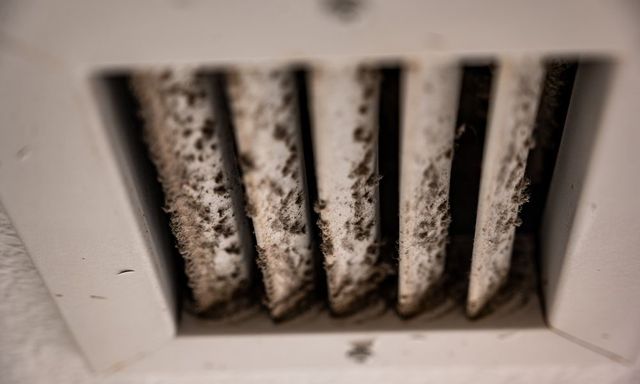
Mold issues are a reality for many Merritt Island property owners. With constant coastal humidity, high water tables, salt air exposure, and frequent storms, moisture problems can develop even in well-maintained homes. When mold is discovered, one of the first questions property owners ask is whether insurance will help cover the damage.
The answer is rarely simple. Mold and insurance claims depend heavily on how the moisture started, how quickly it was addressed, and what the policy considers a covered event. Understanding how mold claims typically unfold in Merritt Island can help property owners make informed, realistic decisions without unnecessary stress.
Why Mold and Insurance Are Common Topics in Merritt Island
Merritt Island properties face environmental conditions that naturally increase mold risk. Proximity to the Banana River, Indian River, and surrounding waterways keeps humidity elevated year-round. Slab foundations, older construction, and storm exposure all contribute to moisture intrusion potential.
Insurance questions often arise after:
- Storm-related water intrusion
- Plumbing leaks discovered late
- AC condensation damage
- Roof or window leaks after heavy rain
- Mold found during repairs or renovations
In many cases, the mold itself isn’t the main issue—it’s the water event that caused it.
How Insurance Typically Views Mold Damage
Insurance policies usually don’t treat mold as a standalone issue. Instead, mold is evaluated as a result of another problem, most commonly water damage.
Coverage often depends on:
- Whether the water source was sudden or gradual
- How quickly the issue was reported and addressed
- Whether the moisture came from a covered event
- Policy-specific mold limitations or exclusions
For Merritt Island homes, where humidity is constant, insurers often focus closely on maintenance history and response time.
Common Scenarios That Lead to Mold Claims
Certain situations frequently trigger mold-related insurance discussions in coastal homes.
Storm-related water intrusion
Heavy rain, wind-driven water, or roof damage can introduce moisture that later leads to mold if drying isn’t thorough.
Plumbing failures
Burst pipes or sudden plumbing leaks are more likely to be considered covered events than slow, ongoing leaks.
AC-related water damage
Overflowing drain pans or condensate line failures can cause moisture buildup, especially in humid conditions.
Hidden moisture discovered during repairs
Mold is often found behind walls or under flooring when repairs begin, raising questions about how long moisture was present.
Each scenario is evaluated differently, and documentation plays a major role.
Why Timing Matters So Much With Mold Claims
One of the most important factors in mold-related insurance claims is how quickly the issue was addressed.
Delays often raise concerns when:
- Moisture was present for an extended period
- Repairs were postponed
- Small leaks were ignored
- Mold growth appeared widespread
In Merritt Island’s climate, mold can develop quickly. Prompt response and documentation often make a significant difference in how claims are handled.
The Role of Mold Inspection in Insurance Claims
Professional mold inspections can be valuable when navigating insurance-related questions.
An inspection may help:
- Identify the extent of mold growth
- Document moisture conditions
- Determine likely moisture sources
- Distinguish between recent and long-term issues
- Provide objective findings for claim review
While inspections don’t determine coverage, they often help clarify what’s happening inside the structure.
Why DIY Cleanup Can Complicate Insurance Claims
Attempting to clean mold before proper evaluation can unintentionally complicate matters.
Common issues include:
- Removing evidence of the moisture source
- Spreading contamination to unaffected areas
- Masking the true extent of damage
- Creating inconsistencies in documentation
In many cases, it’s better to assess first, then act, especially when insurance may be involved.
Proper Mold Remediation and Insurance Considerations
When remediation is necessary, insurers often expect work to follow recognized best practices.
A professional remediation process typically includes:
- Containment to prevent spore spread
- Removal of contaminated materials
- Thorough drying and dehumidification
- Addressing the underlying moisture source
- Post-remediation verification
For Merritt Island properties, remediation that doesn’t address moisture control often leads to repeat issues—regardless of insurance involvement.
Preventing Mold Issues That Lead to Claims
Prevention is one of the most effective ways to reduce insurance complications.
Helpful preventive steps include:
- Maintaining indoor humidity below 55%
- Scheduling regular HVAC maintenance
- Inspecting roofs, windows, and plumbing regularly
- Addressing storm-related moisture immediately
- Monitoring flooring and wall areas for dampness
In coastal environments, proactive maintenance often prevents claim-worthy damage altogether.
Why Local Merritt Island Experience Matters
Mold and moisture behave differently in coastal areas than inland Florida. Local experience matters because:
- Humidity remains elevated year-round
- Slab foundations interact with high water tables
- Salt air accelerates mechanical wear
- Storm exposure varies by neighborhood
Mold Removal Merritt Island understands these local conditions and approaches inspections with a practical, documentation-focused mindset.
A Calm, Practical Next Step
If mold is discovered and insurance questions arise, early evaluation often helps property owners understand their options. Mold issues in Merritt Island rarely resolve on their own, but timely assessment and moisture control often limit damage and disruption.
A professional inspection focused on identifying moisture sources and documenting conditions can provide clarity and help property owners move forward with confidence.