
Mold and Indoor Air Quality in South Merritt Island: What Merritt Island Property Owners Should Know
Indoor air quality (IAQ) is a major concern for homes and rentals in South Merritt Island, where coastal humidity, salt air, and warm temperatures create ideal conditions for mold growth. Mold doesn’t just damage materials—it directly affects the air you breathe, often long before you see visible signs.
For Merritt Island property owners, understanding how mold impacts indoor air quality is essential for protecting health, preventing complaints, and preserving long-term property value.
🧠 How Mold Affects Indoor Air Quality
Mold reproduces by releasing microscopic spores into the air. In a humid coastal environment, those spores can remain airborne longer and spread more easily throughout a home.
🌊 Coastal Humidity Amplifies the Problem
South Merritt Island experiences high humidity most of the year. Moist air entering the home combines with air conditioning to create condensation inside:
- Walls and ceilings
- HVAC systems and ductwork
- Closets and enclosed spaces
These damp areas become mold reservoirs that continuously degrade indoor air quality.
❄️ HVAC Systems Can Spread Mold
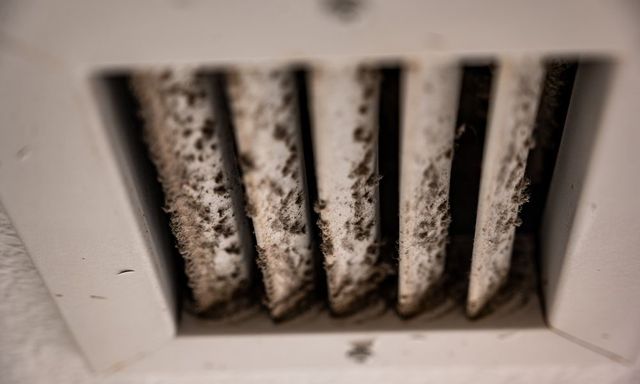
When mold grows inside air handlers, drain pans, or ducts, the HVAC system can circulate spores throughout the entire home—turning a localized issue into a whole-house air quality problem.
📈 Signs Mold Is Affecting Indoor Air Quality
Poor indoor air quality caused by mold often shows up as symptoms and odors, not stains.
🚩 Common IAQ Warning Signs
- Persistent musty or earthy smells
- Worsening allergies indoors
- Chronic coughing or congestion
- Headaches or fatigue
- Eye, nose, or throat irritation
- Symptoms that improve when leaving the home
These signs often appear before visible mold is discovered.
🔍 Where Mold Commonly Impacts IAQ in South Merritt Island Homes
Mold that affects air quality is often hidden.
High-risk areas include:
- HVAC systems and ductwork
- Behind drywall and baseboards
- Under flooring in slab homes
- Attics and crawl spaces
- Bathrooms and kitchens
- Closets with poor airflow
Because these areas aren’t routinely inspected, IAQ issues can persist unnoticed.
🧪 How Indoor Air Quality Issues Are Identified
🔎 Mold & Moisture Inspection
A professional evaluation may include:
- Moisture readings in walls and floors
- Inspection of HVAC components
- Identification of condensation patterns
- Targeted checks of high-humidity areas
🧫 Air Quality & Mold Testing
Testing may involve:
- Air sampling to measure mold spore levels
- Comparison of indoor vs. outdoor air samples
This helps determine whether mold is contributing to poor indoor air quality.
🧼 Improving Indoor Air Quality When Mold Is Present
Fixing air quality problems requires addressing both mold and moisture.
🧰 Professional Solutions May Include:
- Containment to prevent spore spread
- Removal of contaminated materials
- HEPA air filtration
- Antimicrobial treatment
- HVAC cleaning or correction
- Long-term humidity control
Air purifiers alone will not fix mold-related IAQ issues if moisture remains.
🛠 Preventing Mold-Related IAQ Problems in South Merritt Island
✅ Control Indoor Humidity
- Keep indoor humidity between 30–50%
- Use dehumidifiers during humid months
- Monitor humidity with digital hygrometers
✅ Maintain HVAC Systems
- Replace filters regularly
- Clean condensate drain lines and pans
- Ensure proper system sizing and airflow
✅ Improve Ventilation
- Vent bathrooms and kitchens outdoors
- Avoid blocking air returns and supply vents
- Ensure attic ventilation is adequate
✅ Inspect Regularly
Routine inspections—especially after storms or during peak humidity—help catch issues early.
🧪 Mold IAQ Issues vs. Other Air Quality Problems
- Mold-related IAQ issues are driven by moisture and humidity
- Non-mold IAQ issues may involve dust, VOCs, or outdoor pollutants
When musty odors and humidity are present, mold is often the primary contributor.
🧑🔧 Final Thoughts: Clean Air Starts With Moisture Control
In South Merritt Island, indoor air quality and mold are tightly connected.
For Merritt Island property owners, remember:
- Mold spores directly affect the air you breathe
- Symptoms often appear before visible mold
- HVAC systems can spread contamination
- Humidity control is the foundation of good IAQ
Managing moisture proactively is the most effective way to protect indoor air quality—and everyone living inside your property..
