Mold and Allergies in South Merritt Island: What Merritt Island Property Owners Should Know
Living in South Merritt Island means enjoying waterfront breezes, warm weather, and a relaxed coastal lifestyle. But that same environment also creates ideal conditions for mold growth, which can quietly affect indoor comfort—especially for people who notice allergy-like symptoms at home.
Many property owners assume sneezing, congestion, or irritated eyes are just part of Florida living. In reality, mold and indoor moisture often play a role, even when there’s no visible growth. Understanding how mold behaves in South Merritt Island homes—and how it connects to allergy complaints—can help owners spot problems earlier and take calm, practical steps to protect their property.
Why Mold and Allergy Complaints Are Common in South Merritt Island
South Merritt Island sits close to the Banana River, Indian River, and surrounding lagoons. That geography keeps humidity elevated year-round, even during cooler months. Homes rarely get long dry periods, which allows moisture to linger inside building materials.
Several local factors increase mold-related allergy complaints:
- Persistent coastal humidity that supports mold growth
- High water tables beneath slab foundations
- Salt air that accelerates HVAC wear and condensation issues
- Homes that stay closed up for parts of the year
- Frequent storms that introduce short bursts of moisture
When moisture becomes routine, mold growth becomes easier—and indoor air quality can slowly change without obvious warning signs.
How Mold Can Affect Indoor Comfort
Mold doesn’t need to be visible to influence how a home feels. As it grows, mold releases tiny particles and odors that circulate through indoor air, especially when HVAC systems are running.
In South Merritt Island homes, this often shows up as:
- Persistent musty or earthy odors
- Air that feels heavy or stale
- Rooms that never seem to feel “fresh”
- Odors strongest near vents or floors
For some occupants, these conditions line up with allergy-like reactions, even when the source of the problem isn’t obvious.
Common Mold Locations Linked to Allergy Complaints
Mold that affects indoor air quality is usually hidden. The most common problem areas in South Merritt Island homes include:
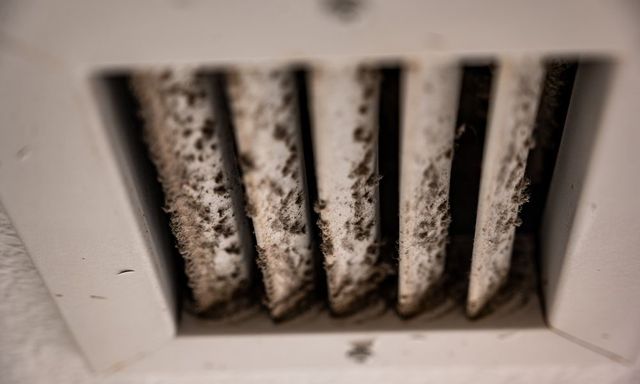
HVAC Systems
Air handlers, drain pans, and ductwork collect condensation in humid environments. Mold growth inside HVAC systems can distribute odors and particles throughout the home.
Under Flooring
Tile, vinyl, and laminate flooring installed over concrete slabs can trap moisture beneath the surface. Mold growth here often causes odors that rise into living spaces.
Attics
Warm, moist air rises into attics and condenses on roof decking when ventilation is limited. Attic mold often affects air quality without being seen.
Wall Cavities
Moisture intrusion from exterior walls, plumbing lines, or condensation allows mold to grow inside walls, where it slowly impacts indoor air.
These hidden areas explain why cleaning visible surfaces rarely solves the problem.
Why Allergy-Like Symptoms Often Appear Indoors
Property owners often notice that symptoms:
- Feel worse inside the home
- Improve when leaving the house
- Return after time indoors
- Seem stronger during humid weather
This pattern frequently points to indoor air quality issues, not outdoor pollen alone. In coastal homes, mold growth fueled by humidity is a common contributing factor.
The Role of Humidity in Mold and Allergies
Humidity is the engine behind most mold-related comfort issues in South Merritt Island.
When indoor humidity stays elevated:
- Mold growth is continuously supported
- Materials absorb moisture instead of drying
- Condensation forms on vents and ductwork
- Odors and airborne particles persist
Even without leaks, humidity alone can sustain mold growth that affects indoor air.
Why Cleaning and Air Fresheners Don’t Fix the Issue
Many homeowners try to solve allergy-like discomfort by cleaning more often or using air fresheners. Unfortunately, these steps usually provide only temporary relief.
That’s because:
- Mold growth is hidden, not on surfaces
- Odors originate inside materials or HVAC systems
- Moisture conditions remain unchanged
- Mold continues to release particles into the air
Until moisture and mold are addressed, symptoms often continue.
Why DIY Mold Cleanup Can Make Things Worse
DIY mold cleanup may seem like a quick fix, but in South Merritt Island’s humid environment it often leads to recurring issues.
Common DIY problems include:
- Disturbing mold and spreading it into the air
- Cleaning visible areas while hidden growth remains
- Adding moisture through improper cleaning methods
- Ignoring humidity and condensation sources
In many cases, symptoms worsen after DIY attempts because mold has been dispersed rather than removed.
How Professional Mold Inspection Helps Clarify the Situation
A professional mold inspection focuses on moisture behavior, not just visible mold.
In South Merritt Island homes, inspections often include:
- Measuring humidity levels throughout the home
- Moisture mapping of floors, walls, and ceilings
- HVAC system evaluation for condensation and airflow
- Attic ventilation and insulation assessment
- Air or surface sampling when appropriate
This process helps identify whether mold is contributing to indoor air quality concerns and where it’s originating.
Proper Mold Removal and Indoor Air Improvement
When mold is confirmed, proper remediation focuses on both removal and prevention.
A professional remediation process typically includes:
- Containment to prevent spore spread
- Safe removal of contaminated materials
- Thorough drying and dehumidification
- Correction of moisture sources
- Verification that humidity and moisture levels are under control
When moisture is addressed correctly, indoor air quality often improves noticeably.
Preventing Mold-Related Air Quality Problems
Prevention is especially important in South Merritt Island due to constant moisture exposure.
Helpful prevention steps include:
- Keeping indoor humidity below 55%
- Running AC systems consistently, even during cooler months
- Maintaining HVAC systems and condensate drain lines
- Using bathroom and kitchen ventilation regularly
- Monitoring flooring and exterior walls after storms
Consistency matters more than occasional fixes in coastal homes.
Why Local South Merritt Island Experience Matters
Mold behaves differently in coastal homes than in inland Florida properties. Local experience matters because:
- Humidity remains elevated year-round
- Slab foundations interact with high groundwater levels
- Salt air accelerates HVAC corrosion
- Waterfront airflow affects condensation patterns
Mold Removal Merritt Island understands these local conditions and approaches inspections with a moisture-focused, environment-specific mindset.
A Calm, Practical Takeaway
Allergy-like symptoms in South Merritt Island homes are often connected to indoor moisture and hidden mold growth—even when nothing is visible. These issues usually develop slowly, not overnight, and they rarely resolve on their own in coastal environments.
Early evaluation focused on moisture control can improve indoor comfort, protect air quality, and prevent small issues from turning into larger problems. Addressing mold calmly and professionally often brings noticeable relief to both the home and the people living in it.