
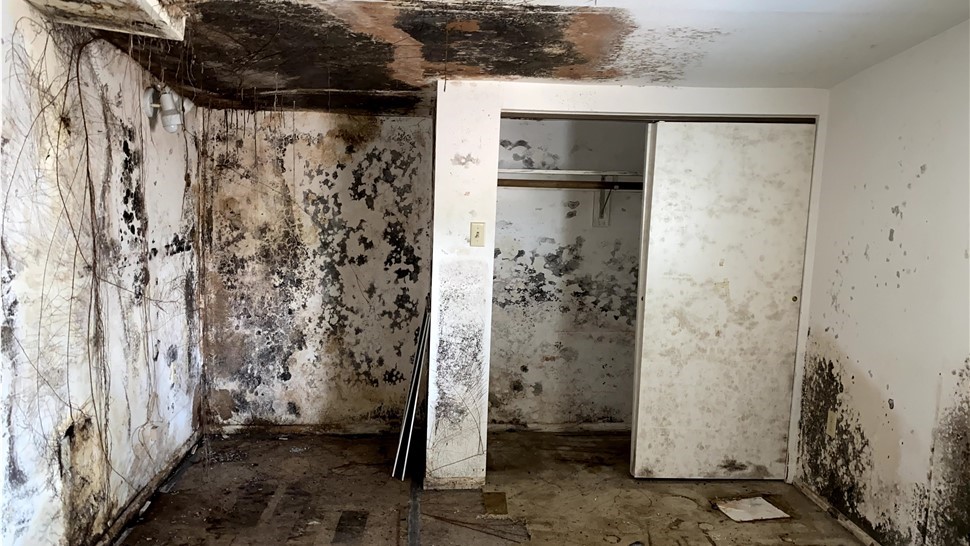
Mold and Allergies in North Merritt Island: What Merritt Island Property Owners Should Know
Living in North Merritt Island means enjoying water-adjacent neighborhoods, steady coastal breezes, and a warm climate that keeps homes comfortable year-round. It also means living with moisture. For property owners on Merritt Island, that moisture can quietly affect indoor conditions—sometimes showing up as comfort issues that people casually describe as “allergy-like” reactions.
This article isn’t about medical diagnosis. It’s about understanding how mold and moisture behave in North Merritt Island homes, why indoor environments can feel uncomfortable when mold is present, and what property owners can realistically do to reduce those conditions.
How Mold and Indoor Comfort Are Connected
Mold grows when moisture lingers. As it grows, it releases microscopic particles into the air. In a home with central air, normal airflow can move those particles throughout living spaces.
In North Merritt Island homes, mold often develops in hidden areas—behind walls, inside HVAC systems, under flooring, or in attics. When this happens, indoor air can feel stale, damp, or irritating, even if visible mold isn’t obvious.
Many property owners first notice the issue through changes in indoor comfort rather than visible growth.
Why North Merritt Island Homes Are Prone to These Issues
North Merritt Island sits close to Sykes Creek, the Banana River, and lagoon systems that keep humidity elevated day and night. Even when outdoor temperatures are moderate, moisture levels remain high.
Homes in this area often rely on air conditioning most of the year. If systems cool air quickly without removing enough moisture, humidity stays trapped indoors. That humidity creates conditions where mold can grow and persist.
High water tables and slab foundations also play a role. Moisture vapor can migrate upward, affecting lower walls and flooring even without leaks or flooding.
Storms and short power outages further increase risk. When AC systems shut down, indoor humidity can rise quickly, allowing mold growth to begin or expand.
Common Comfort-Related Clues Property Owners Notice
Instead of obvious mold spots, many owners notice subtle changes, such as:
- A persistent musty or earthy smell
- Air that feels heavy, stale, or damp
- Rooms that feel clammy even when cool
- Odors that worsen after rain or overnight
- Discomfort that seems tied to time spent indoors
These signs don’t point to a diagnosis, but they often indicate moisture and air quality issues that deserve attention.
Where Mold That Affects Indoor Air Often Hides
In North Merritt Island homes, mold influencing indoor air quality is frequently hidden. Common locations include:
- HVAC air handlers, coils, and drain pans
- Ductwork running through humid attics
- Attics with limited ventilation
- Wall cavities near exterior walls
- Under flooring in slab homes
- Closets and storage rooms with poor airflow
Because air naturally moves through these spaces, mold in hidden areas can affect the entire home.
Why Visible Mold Isn’t the Whole Story
One of the biggest misconceptions is that mold must be visible to matter. In coastal homes, mold often grows where it can’t be seen.
A small patch in a bathroom may only be the visible sign of a broader humidity issue affecting attic spaces or ductwork. Cleaning that spot alone doesn’t change the indoor conditions allowing mold to grow elsewhere.
This is why comfort issues often continue even after visible mold is removed.
Why DIY Cleaning Rarely Improves Indoor Conditions
DIY mold cleanup usually focuses on surfaces—scrubbing walls, wiping ceilings, or spraying vents. While this may improve appearance, it rarely changes indoor moisture or airflow.
Without addressing humidity, condensation, and ventilation, mold often returns or continues growing in hidden areas. In some cases, cleaning can even spread spores, allowing mold to appear in new locations.
In North Merritt Island’s high-humidity environment, moisture control is far more important than surface cleaning.
Professional Mold Evaluation Explained
A professional evaluation focuses on moisture first. Visual inspection is combined with moisture detection tools to identify damp areas behind walls, under floors, in attics, and around HVAC components.
Inspectors also look at ventilation, insulation, and airflow patterns—factors that often explain why indoor air feels uncomfortable.
When appropriate, air or surface sampling may be used to better understand what’s present. Results should be explained clearly, without technical overload or alarmist language.
Local professionals familiar with North Merritt Island understand how lagoon humidity and building styles influence indoor conditions.
Proper Mold Remediation and Indoor Environment Improvement
Effective remediation starts by correcting moisture conditions. Removing mold without stabilizing humidity is temporary.
Containment is used to prevent particles from spreading during cleanup. Affected materials are cleaned or replaced depending on severity and material type.
Corrective steps often include HVAC adjustments, improved ventilation, better duct insulation, or addressing intrusion points. The goal is to restore normal indoor moisture balance so mold no longer affects the air.
Companies like Mold Removal Merritt Island focus on prevention-based remediation, which is especially important in coastal homes where humidity pressure never fully goes away.
Practical Ways Property Owners Can Improve Conditions
Property owners can take meaningful steps to reduce moisture-related comfort issues:
- Maintain consistent indoor humidity year-round
- Keep AC systems serviced and properly balanced
- Ensure bathrooms and kitchens vent outdoors
- Improve attic ventilation where needed
- Allow airflow in closets and storage rooms
- Inspect HVAC components regularly
- Check for moisture after storms
These steps don’t just reduce mold risk—they help stabilize the indoor environment overall.
Why Local Experience Matters
Mold-related comfort issues in North Merritt Island don’t behave the same way as in inland or dry climates. Local experience means understanding lagoon humidity cycles, slab construction, salt air exposure, and how air moves through island homes.
Professionals familiar with the area can identify likely problem areas faster and recommend solutions that actually work long-term in coastal conditions.
A Calm, Practical Next Step
If a home consistently feels musty, damp, or uncomfortable, it’s often a sign that moisture and indoor air quality need attention. Not every situation requires extensive remediation, but early evaluation can prevent hidden mold from becoming a larger issue.
For Merritt Island property owners, understanding how mold and indoor comfort are connected—especially in North Merritt Island’s humid environment—helps protect buildings, improve living conditions, and reduce recurring moisture problems over time.
