
Mold and Allergies in Brevard County: What Merritt Island Property Owners Should Know
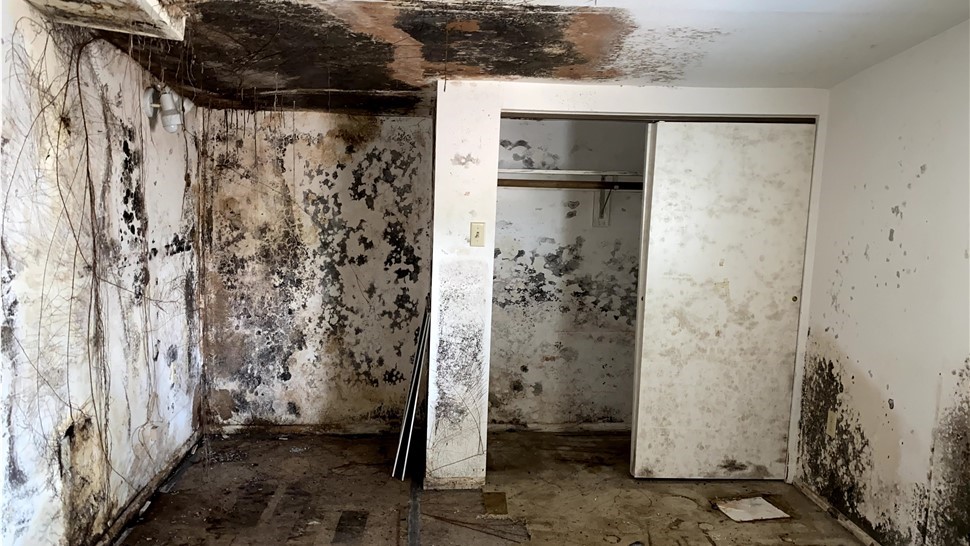
How Mold Triggers Allergy Symptoms
Mold affects allergies by releasing tiny particles into the air as it grows. These particles move easily through indoor spaces, especially in homes that rely heavily on air conditioning.
In Brevard County homes, mold-related allergy issues often connect to:
- Hidden mold behind walls or cabinets
- Mold near HVAC systems or ductwork
- Damp insulation in attics
- Moist subfloors or crawl spaces
Even small amounts of mold can impact indoor conditions when air circulates through these areas.
Why Allergies Feel Worse Indoors Than Outdoors
This part confuses a lot of homeowners.
Outdoor air in Florida moves and disperses allergens. Indoor air, on the other hand, recirculates. When mold particles get into a home’s airflow, they can build up and linger, especially when humidity stays high.
That’s why people often notice:
- Symptoms worsening at night
- Discomfort in specific rooms
- Relief when leaving the house
- Symptoms returning shortly after coming home
It’s not coincidence—it’s exposure patterns.
Why Brevard County Homes Are High Risk
Merritt Island and surrounding areas face several conditions that make mold-related allergy issues more common.
High Year-Round Humidity
Humidity keeps surfaces slightly damp, even when everything looks dry. Mold thrives in these conditions and releases particles continuously.
Heavy AC Use
Air conditioning runs most of the year. If mold grows near coils, drain pans, or ducts, the system can circulate particles throughout the home.
Coastal and Ground Moisture
Homes near water sources deal with moisture moving upward through slabs and walls, increasing hidden mold risk.
Limited Airflow in Certain Spaces
Closets, bedrooms with closed doors, and interior rooms trap moisture and allergens more easily.
Common Allergy Clues Linked to Mold
Mold-related allergy issues don’t always scream “mold.” They show up as patterns.
Watch for:
- Sneezing, congestion, or itchy eyes indoors
- Symptoms that improve outside the home
- Musty or earthy odors
- Air that feels heavy or stale
- Discomfort that worsens when the AC runs
If symptoms consistently line up with time spent indoors, mold and moisture deserve a closer look.
Mold and HVAC Systems: A Key Connection
HVAC systems play a major role in allergy-related mold exposure.
Mold often develops:
- Near evaporator coils
- Inside condensate drain pans
- On insulation around air handlers
- Near supply and return vents
Once mold reaches HVAC components, particles move efficiently from room to room. That’s why allergy complaints often track with AC usage.
Why Cleaning Doesn’t Fix Mold-Related Allergies
This is one of the most frustrating parts for homeowners.
Cleaning visible surfaces helps appearance, but it doesn’t remove mold hidden in walls, ducts, or insulation. As long as moisture stays active, mold continues releasing particles into the air—no matter how clean the house looks.
IMO, that’s why allergy issues tied to mold feel so stubborn. The source stays hidden while symptoms continue.
The Role of Humidity in Allergy Problems
Humidity doesn’t just help mold grow—it helps allergy issues linger.
When indoor humidity stays high:
- Mold growth accelerates
- Particles remain airborne longer
- Surfaces don’t dry fully
In Brevard County homes, controlling humidity often makes a noticeable difference in comfort.
How Inspections Help Identify Mold-Related Allergy Issues
A professional inspection focuses on moisture patterns, not just visible mold.
Inspections often evaluate:
- Indoor humidity levels
- Moisture inside walls and ceilings
- HVAC drainage and airflow
- Hidden areas prone to mold growth
Understanding where moisture lives helps explain why allergy symptoms persist.
Mold Testing and Allergy Concerns
Testing can help in specific situations, especially when:
- Symptoms persist without visible mold
- Multiple rooms feel affected
- Documentation matters for rentals or property decisions
Testing supports clarity, but resolving allergy issues still requires addressing moisture and mold sources directly.
Improving Indoor Conditions for Allergy Relief
Better indoor conditions usually start with moisture control.
Effective steps include:
- Lowering indoor humidity
- Maintaining HVAC systems regularly
- Fixing leaks promptly
- Improving ventilation in bathrooms and closets
- Addressing hidden mold sources
Once moisture problems get corrected, indoor comfort often improves noticeably.
Why Local Experience Matters in Brevard County
Mold and allergy issues in Florida don’t behave the same way they do in dry climates. Brevard County’s humidity, coastal conditions, and AC-heavy living shape how problems develop.
That’s why Mold and Duct Cleaning Experts help Merritt Island property owners focus on realistic, local solutions instead of generic advice.
Final Thoughts
Mold-related allergies in Brevard County homes rarely come out of nowhere. They usually trace back to hidden moisture and mold affecting indoor air conditions. When symptoms worsen indoors and ease outside, that pattern matters.
Address the moisture, identify hidden mold, and indoor comfort often follows. In a place like Merritt Island, that connection makes all the difference.
