
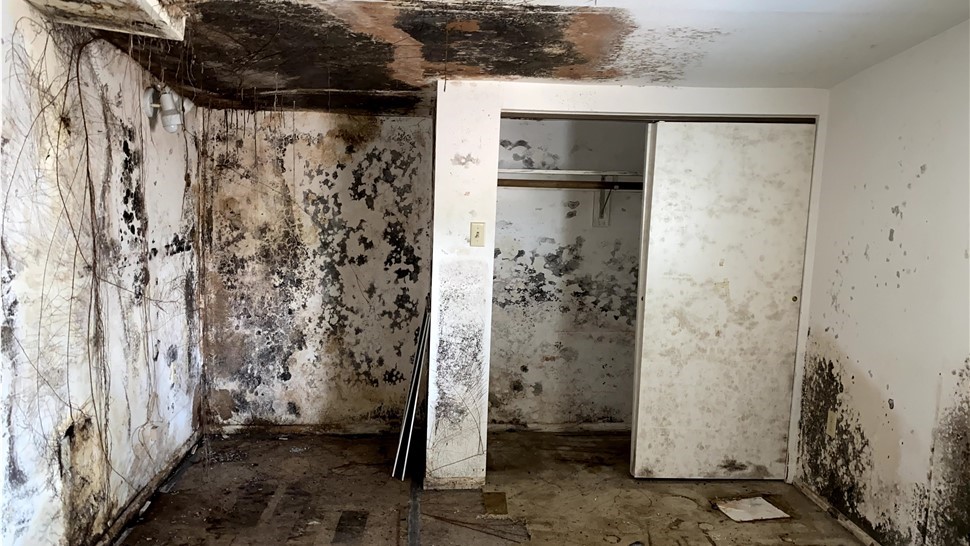
Mold After Water Damage in Banana River: What Merritt Island Property Owners Should Know
Water damage is one of the most common triggers for mold growth in homes near the Banana River. Whether the source is a storm, plumbing issue, AC failure, or groundwater intrusion, moisture behaves differently in this river-adjacent environment. In many Merritt Island homes, water damage doesn’t dry out the way homeowners expect — and mold quietly takes hold days or weeks later.
For property owners, the real risk isn’t just the water you can see. It’s the moisture that remains trapped behind walls, under flooring, and inside HVAC systems. Understanding how mold develops after water damage, where it hides, and what to do next helps prevent small incidents from turning into long-term problems.
Why Water Damage Is Especially Risky Near the Banana River
Homes near the Banana River face environmental conditions that slow drying and promote mold growth.
- Constant coastal and river humidity
- High water tables affecting slab foundations
- Slow soil drainage after rain
- Warm temperatures year-round
- Heavy air conditioning use that creates condensation
- Salt air degrading seals and building materials
Even minor water damage can create lingering moisture in this environment.
Common Sources of Water Damage in Banana River Homes
Water damage doesn’t always come from major floods.
- Heavy rain and wind-driven storms
- Plumbing leaks behind walls or under sinks
- Water heater or appliance failures
- AC drain line clogs or pan overflows
- Roof leaks that only appear during storms
- Ground moisture wicking upward through slabs
Any of these can leave moisture behind long after surfaces look dry.
How Mold Develops After Water Damage
Mold growth follows a predictable pattern after water damage.
- Water enters building materials
- Drywall, wood, and insulation absorb moisture
- Airflow is limited behind surfaces
- Moisture remains trapped
- Mold begins growing out of sight
- Odors or visible signs appear later
In Banana River homes, this process often happens faster due to persistent humidity.
Where Mold Is Most Often Found After Water Damage
Professional inspections frequently uncover mold in hidden areas.
Behind drywall
Especially along exterior walls or areas affected by leaks or intrusion.
Under flooring
Tile, laminate, vinyl, and engineered wood trap moisture over concrete slabs.
Lower walls and baseboards
High water tables allow moisture vapor to rise after heavy rain.
HVAC systems
Air handlers, drain pans, coils, and ductwork collect moisture after water events.
Attics and ceilings
Roof leaks and humid air lead to condensation on framing and insulation.
Early Warning Signs Mold Is Developing
After water damage, mold rarely appears immediately.
- Musty or earthy odors
- Damp or heavy indoor air
- Bubbling paint or peeling drywall
- Flooring that feels cool, soft, or uneven
- Condensation near vents or windows
- Mold returning in the same areas
These signs often show up days or weeks after the initial water event.
Why Mold Often Appears Long After Cleanup
Many homeowners believe cleanup ends the problem.
- Visible water is removed
- Surfaces feel dry
- Fans and AC are used briefly
- Hidden moisture remains
Without thorough drying and moisture checks, mold often develops quietly and becomes visible later.
Why DIY Cleanup After Water Damage Often Fails
DIY efforts focus on what’s visible — not what’s hidden.
Common issues include:
- Bleach and cleaners don’t penetrate materials
- Moisture behind walls and floors isn’t addressed
- Scrubbing spreads mold spores
- HVAC moisture is overlooked
- Mold returns, sometimes worse than before
In Banana River homes, DIY cleanup often delays proper remediation.
Mold Inspection After Water Damage
A professional mold inspection looks beyond surface conditions.
Inspections typically include:
- Moisture readings in walls, floors, and ceilings
- HVAC system evaluation
- Attic and ceiling inspections
- Identification of intrusion and condensation points
- Assessment of slab-level moisture
This helps determine whether mold is already present or likely to develop.
Mold Removal Merritt Island frequently identifies post-water-damage mold tied to hidden moisture, not obvious flooding.
Mold Removal vs. Mold Remediation After Water Damage
Understanding the difference matters.
Mold cleanup
- Surface cleaning only
- Cosmetic improvement
- No containment
- No moisture correction
- Mold often returns
Mold remediation
- Removes visible and hidden mold
- Uses containment and HEPA filtration
- Removes contaminated materials when needed
- Corrects moisture sources
- Focuses on long-term prevention
After water damage, true remediation is often required.
Why Mold Keeps Coming Back After Water Damage
Recurring mold usually means moisture wasn’t fully resolved.
- Incomplete drying
- Slab moisture reactivation
- Flooring trapping moisture
- HVAC condensation issues
- Persistent humidity
Each rain event or humidity spike reactivates the same damp areas.
Preventing Mold After Water Damage
Early action is critical in river-adjacent homes.
- Address water damage immediately
- Dry affected areas thoroughly
- Avoid sealing wet materials
- Monitor humidity levels
- Keep HVAC systems running consistently
- Inspect walls, floors, and attics after storms
- Schedule professional evaluation if odors or dampness persist
Timing often determines whether mold becomes a long-term issue.
Why Local Banana River Experience Matters
Water damage behaves differently near waterways. Local experience matters because professionals understand:
- River-adjacent humidity patterns
- High water table effects on slab homes
- Storm-driven moisture intrusion
- HVAC condensation common in Merritt Island homes
- Construction styles typical near the Banana River
Mold Removal Merritt Island applies this local knowledge to identify hidden post-water-damage mold and prevent recurrence.
A Practical Takeaway for Property Owners
Mold after water damage in Banana River homes isn’t unusual — but it should never be ignored. The biggest risk isn’t the water you see; it’s the moisture that remains trapped long after cleanup.
For Merritt Island property owners, early inspection, proper remediation when needed, and consistent moisture management are the most effective ways to prevent water damage from turning into a recurring mold problem in a coastal, river-adjacent environment.
