
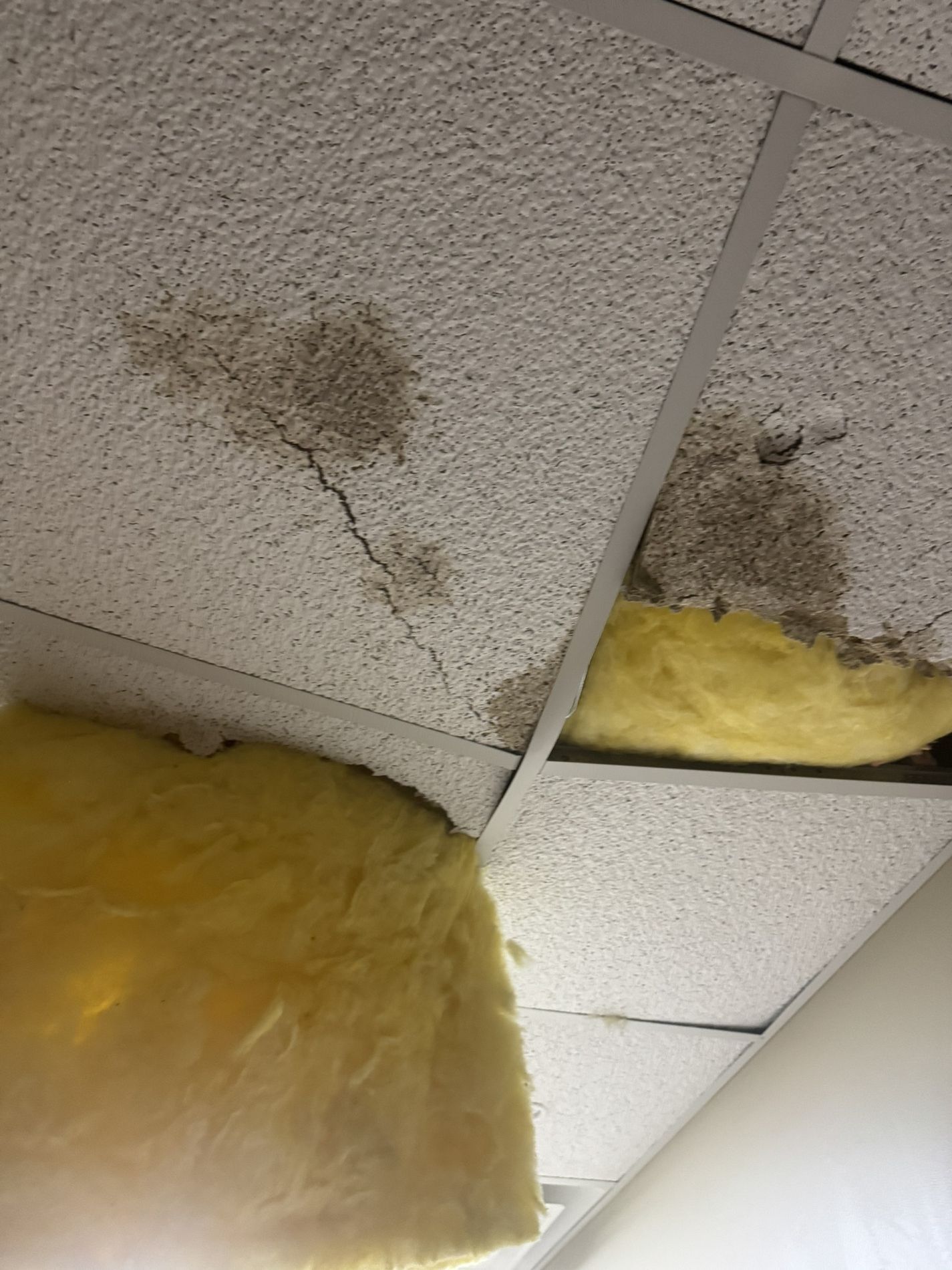
Mold After Roof Leaks in Merritt Island: What Merritt Island Property Owners Should Know
Roof leaks are one of the most common triggers for mold growth in Merritt Island, where heavy rain, coastal storms, salt air, and aging roofing materials put homes under constant stress. Even a small or short-lived leak can introduce enough moisture to start mold growth—often in hidden areas like attics, wall cavities, and ceilings.
For Merritt Island property owners, understanding how roof leaks lead to mold, where it usually develops, and how to respond quickly can prevent serious damage and expensive remediation.
🧠 Why Roof Leaks Lead to Mold So Quickly in Merritt Island
Florida’s climate turns roof leaks into mold problems fast.
🌧 Heavy Rain & Wind-Driven Storms
Merritt Island roofs are frequently exposed to:
- Wind-driven rain
- Tropical storms and hurricanes
- Sudden downpours
Water can enter through damaged shingles, flashing, vents, or roof seams—sometimes without leaving obvious interior stains right away.
🌊 Coastal Humidity Slows Drying
Once moisture enters, high coastal humidity slows natural drying. Damp materials can remain wet for days or weeks, creating ideal mold conditions.
🏠 Attics Are High-Risk Zones
Roof leaks commonly soak:
- Attic insulation
- Roof decking
- Trusses and framing
Attics are warm, dark, and poorly ventilated—perfect environments for mold to take hold.
📈 Why Mold After Roof Leaks Is a Serious Issue
😷 Health & Indoor Air Quality Concerns
Mold growing above ceilings or inside walls releases spores that can travel through:
- HVAC systems
- Ceiling penetrations
- Wall cavities
Occupants may experience coughing, congestion, headaches, fatigue, or asthma flare-ups—often before mold is visible.
🏚 Structural Damage
If roof-leak moisture isn’t addressed quickly, mold can damage:
- Drywall and ceiling materials
- Insulation
- Wooden framing and roof decking
Over time, this can compromise structural integrity and increase repair costs.
📉 Property Value & Insurance Complications
Mold related to roof leaks can:
- Trigger failed inspections
- Delay sales or refinancing
- Complicate insurance claims if drying was delayed
Prompt action protects both value and coverage.
🔍 Common Signs of Mold After a Roof Leak
Roof-leak mold often starts out of sight.
🚩 Warning Signs to Watch For
- Water stains or discoloration on ceilings
- Bubbling or peeling paint
- Musty odors, especially after rain
- Sagging or soft ceiling areas
- Visible mold in attics or around vents
- Unexplained allergy or respiratory symptoms
These signs often appear days or weeks after the initial leak.
🧪 How Mold After Roof Leaks Is Identified
🔎 Mold & Moisture Inspection
A professional inspection may include:
- Attic and roof-deck evaluation
- Moisture readings in ceilings and walls
- Identification of leak paths and water intrusion points
🧫 Mold Testing (When Needed)
Testing may be useful when:
- Mold isn’t visible but suspected
- Health symptoms persist
- Documentation is needed for insurance or real estate transactions
Testing helps determine severity and scope.
🧼 Proper Response After a Roof Leak
Quick, correct action makes a major difference.
⏱ First 24–48 Hours Matter
After a roof leak:
- Stop the water intrusion (temporary tarp or repair)
- Dry affected areas immediately
- Remove wet insulation or ceiling materials if needed
- Prevent moisture from spreading
Delays beyond 48 hours greatly increase mold risk.
🧰 Professional Mold Remediation (If Mold Is Present)
When mold develops, proper remediation may include:
- Containment to prevent spore spread
- Removal of contaminated insulation or drywall
- HEPA air filtration
- Antimicrobial treatment
- Verification that moisture levels are safe
Surface cleaning alone is not effective after roof leaks.
🛠 Preventing Mold From Roof Leaks in Merritt Island
✅ Inspect Roofs Regularly
- Check shingles, flashing, vents, and skylights
- Inspect after major storms
- Address minor damage immediately
✅ Monitor Attics
- Look for damp insulation or stains
- Ensure proper attic ventilation
- Watch for musty odors
✅ Act Fast After Any Leak
- Don’t “wait and see” if things dry
- Dry within 24–48 hours
- Document damage for insurance purposes
✅ Control Indoor Humidity
- Maintain 30–50% indoor humidity
- Use dehumidifiers during humid months
🧪 Roof-Leak Mold vs. Other Mold Sources
- Roof-leak mold often affects ceilings, attics, and upper walls
- Plumbing or humidity mold usually affects lower walls and floors
Knowing the source helps prevent repeat problems.
🧑🔧 Final Thoughts: Small Roof Leaks Can Create Big Mold Problems
In Merritt Island, roof leaks and mold are closely connected.
For property owners, remember:
- Even minor leaks can cause hidden mold
- Attics are a primary risk area
- Health symptoms may appear before visible mold
- Fast drying protects both your home and insurance rights
Addressing roof leaks quickly—and thoroughly—is the best way to stop mold before it spreads.
