
Mold After Plumbing Leaks in Sykes Creek: What Merritt Island Property Owners Should Know
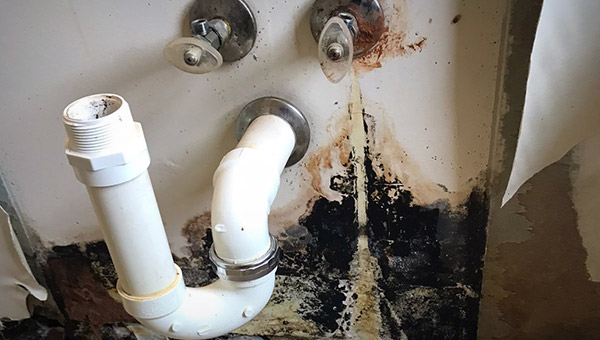
In Sykes Creek homes, plumbing leaks are one of the most common triggers for hidden mold problems. With coastal humidity, salt air, and slab-on-grade construction, even a small or slow leak can lead to mold growth faster than many property owners expect. Often, by the time a leak is noticed, moisture has already soaked into walls, cabinets, flooring, or insulation—creating ideal conditions for mold to take hold.
Understanding how plumbing leaks turn into mold problems, where mold typically develops, and why Sykes Creek homes are especially vulnerable can help property owners act quickly and limit long-term damage.
How Plumbing Leaks Lead to Mold Growth
Plumbing leaks don’t need to be dramatic to cause mold. In many cases, the most damaging leaks are the quiet ones—drips inside walls, under cabinets, or beneath flooring that go unnoticed for weeks or months.
Once water escapes plumbing lines, it can spread into:
- Drywall and wall cavities
- Cabinet bases and toe kicks
- Flooring and subfloor materials
- Insulation around pipes
- Framing and structural components
In Sykes Creek’s humid environment, these materials dry very slowly. When moisture remains trapped, mold can begin growing within a short period.
Why Plumbing-Leak Mold Is So Common in Sykes Creek
Several local factors make plumbing-related mold problems more frequent here.
Coastal humidity
High humidity slows evaporation, allowing leaked water to linger longer inside materials.
Salt air corrosion
Salt accelerates corrosion in plumbing fittings, valves, and connectors, increasing the risk of pinhole leaks and failures.
Slab-on-grade construction
Many homes have plumbing running through or under concrete slabs, making leaks harder to detect.
Older plumbing systems
Some Sykes Creek homes still rely on aging supply lines or drain components more prone to slow leaks.
Limited visibility
Leaks inside walls or cabinets often stay hidden until damage is advanced.
These conditions mean mold can develop even after what seems like a minor plumbing issue.
Common Plumbing Leaks That Lead to Mold
Property owners in Sykes Creek often discover mold after leaks from:
- Supply lines under sinks
- Drain traps or fittings
- Toilets and wax rings
- Washing machine hoses
- Dishwashers and refrigerator lines
- Slab plumbing beneath floors
- AC condensate lines mistaken for plumbing leaks
Many of these leaks release small amounts of water continuously—enough to feed mold over time.
Early Warning Signs Mold May Be Developing
After a plumbing leak, mold often announces itself subtly.
Watch for:
- Musty or earthy odors near kitchens or bathrooms
- Cabinets that smell damp
- Warped or swollen cabinet bases
- Bubbling or peeling paint
- Stains on walls, ceilings, or floors
- Soft drywall or flooring
- Odors that worsen when the AC runs
In Sykes Creek homes, these signs often appear days or weeks after the leak is repaired.
Hidden Mold Locations Linked to Plumbing Leaks
Plumbing-related mold rarely stays in plain sight.
Common hidden areas include:
- Behind drywall where pipes run
- Under sink cabinets and vanities
- Beneath flooring near bathrooms or kitchens
- Inside wall cavities below upper-floor bathrooms
- Insulation around plumbing penetrations
- Adjacent rooms where water migrated
Because water follows gravity and framing, mold may appear far from the visible leak.
Why Fixing the Leak Alone Isn’t Enough
Stopping the leak is critical—but it’s only the first step.
Common mistakes include:
- Repairing the pipe but skipping moisture checks
- Painting over stains
- Replacing cabinets or flooring without drying beneath
- Assuming materials dried on their own
If damp materials remain, mold can continue growing long after the plumbing repair is complete.
Professional Mold Inspection After Plumbing Leaks Explained
After a plumbing leak, a professional inspection focuses on where water traveled, not just where it appeared.
A proper evaluation may include:
- Visual inspection of affected and nearby areas
- Moisture readings in drywall, cabinets, and flooring
- Infrared imaging to locate hidden dampness
- Assessment of wall cavities and adjacent rooms
- Targeted sampling when appropriate
- Clear explanation of findings
This approach helps identify mold risks early and avoid unnecessary demolition.
Proper Mold Removal and Remediation After Plumbing Leaks
Effective remediation addresses both mold and moisture.
Containment
Affected areas are isolated to prevent spore spread.
Selective material removal
Water-damaged drywall, cabinets, insulation, or flooring are removed when needed.
Thorough cleaning
Surrounding surfaces are cleaned using appropriate methods.
Drying and moisture correction
Remaining materials are dried properly, and humidity is controlled.
Prevention planning
Steps are recommended to reduce future plumbing-related moisture risks.
Mold Removal Merritt Island approaches plumbing-leak mold with methods tailored to Sykes Creek homes and coastal conditions.
How to Reduce Mold Risk After a Plumbing Leak
Quick, thorough action makes a major difference.
- Repair leaks immediately
- Dry affected areas completely—not just visibly
- Monitor for odors or staining in the weeks after repairs
- Check adjacent rooms and lower areas
- Inspect cabinets and flooring regularly
- Schedule inspections if moisture was present
In coastal homes, delays almost always increase mold risk.
Why Local Sykes Creek Experience Matters
Plumbing-related mold issues in Sykes Creek differ from inland areas. Local experience means understanding:
- Salt air corrosion patterns
- Coastal humidity effects on drying
- Slab plumbing layouts
- How moisture migrates through walls and floors
- Common leak points in local construction
This knowledge leads to faster identification and more accurate remediation.
A Practical Next Step for Property Owners
If your Sykes Creek home has experienced a plumbing leak—recently or in the past—and you’re noticing odors, staining, or moisture changes, it’s worth having the situation evaluated. Mold problems tied to plumbing leaks rarely resolve on their own and often spread quietly behind finished surfaces.
A professional inspection can identify whether moisture or mold remains, explain the scope of the issue, and outline practical next steps—without pressure or alarm. For Merritt Island property owners, early action after plumbing leaks is one of the most effective ways to protect the home, indoor air quality, and long-term property value.
