Mold After Hurricanes in Indian River: What Merritt Island Property Owners Should Know
Homes near the Indian River experience some of the most intense hurricane impacts on Merritt Island. Strong winds, wind-driven rain, storm surge, and extended power outages all create ideal conditions for mold growth—even when flooding never enters the living space. After a hurricane, moisture often hides where homeowners can’t see it, quietly turning into a mold problem weeks later.
For homeowners, landlords, and property managers along the Indian River, understanding how hurricanes lead to mold—and what actually stops it—is critical for protecting the property long after the storm passes.
How Hurricanes Create Mold Conditions
Hurricanes introduce moisture in multiple ways at once. Wind-driven rain forces water into roof systems, soffits, wall cavities, and around windows and doors. Power outages shut down air-conditioning systems, allowing indoor humidity to spike when homes are already wet.
Once moisture becomes trapped inside drywall, insulation, flooring, or framing, mold can begin growing within days—often before visible damage appears.
Why Indian River Homes Face Higher Mold Risk After Hurricanes
Indian River properties face unique challenges that increase post-hurricane mold risk:
- Direct exposure to wind-driven rain from open waterways
- Storm surge and coastal flooding in low-lying areas
- High water tables beneath slab foundations
- Salt air, which weakens seals, flashing, and exterior materials
- Extended power outages, limiting drying and ventilation
Even homes that appear undamaged can retain moisture deep inside walls and ceilings.
Early Signs Mold May Be Developing After a Hurricane
Mold doesn’t usually appear immediately after a storm. Property owners often first notice subtle warning signs such as:
- Musty or damp odors that linger
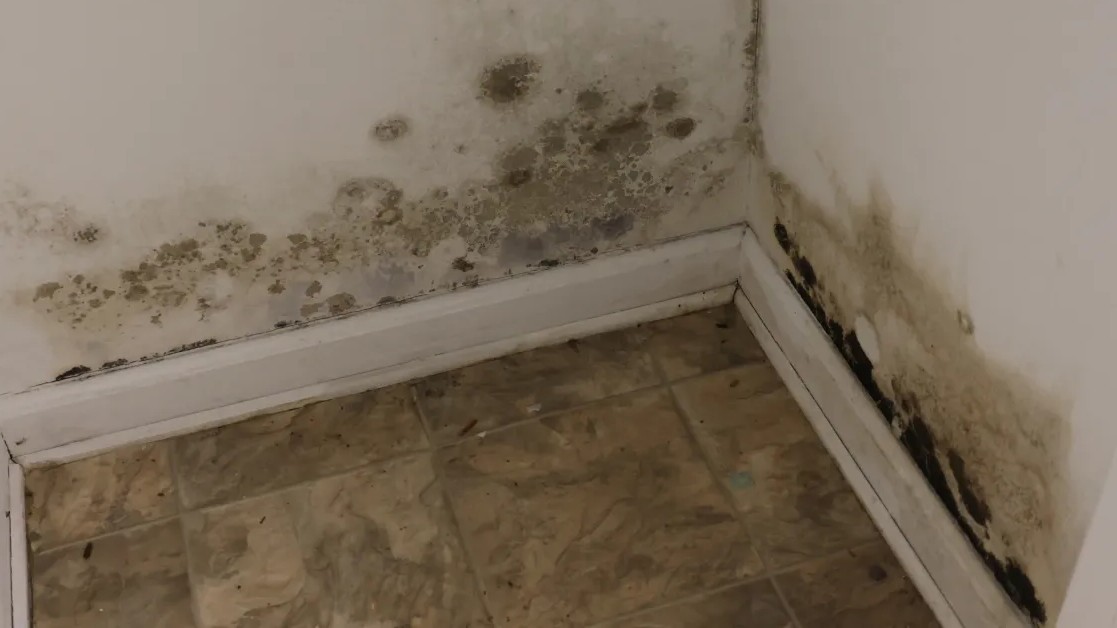
- Discoloration on walls or ceilings
- Bubbling paint or soft drywall
- Warped baseboards or flooring
- Rooms that feel humid long after power is restored
These signs usually indicate moisture is still trapped inside building materials.
Hidden Mold After Hurricane Damage
Hidden mold is one of the most common post-hurricane issues in Indian River homes. Mold frequently develops in areas that aren’t visible during cleanup, including:
- Behind drywall where rain entered through roof systems
- Under flooring after minor flooding or storm intrusion
- Inside attic insulation soaked by wind-driven rain
- Around HVAC systems affected by condensation or outages
- Inside wall cavities where moisture traveled unseen
Because these areas are out of sight, mold can grow for weeks or months without obvious clues.
Why Storm Cleanup Alone Isn’t Enough
Removing debris and drying visible water is an important first step, but hurricanes often leave moisture trapped deep inside walls and ceilings. Fans and dehumidifiers help, but they don’t always reach moisture behind finished surfaces.
Without proper moisture detection, mold growth can begin long after the home looks clean and repaired.
Why DIY Mold Cleanup Often Misses Post-Hurricane Mold
After storms, many homeowners attempt to clean visible mold with bleach or household cleaners. While this may improve appearance temporarily, it doesn’t address mold growing inside porous materials or hidden cavities.
Improper cleanup can also disturb mold colonies and spread spores to unaffected areas. Without containment and moisture correction, mold almost always returns.
Professional Mold Inspection After Hurricanes
A professional mold inspection after a hurricane focuses on moisture detection as much as visible damage. In Indian River properties, this typically includes:
- Visual inspection of storm-affected areas
- Moisture meter readings in walls, ceilings, and floors
- Thermal imaging to locate hidden dampness
- Targeted sampling when appropriate
This process helps determine whether mold is present and how extensive the issue may be.
Mold Remediation After Hurricane Damage
If mold is confirmed, remediation focuses on safe removal and long-term correction. Containment prevents spores from spreading during the process. Affected materials are removed or treated based on severity.
Correcting storm-related moisture issues—such as roof leaks, compromised flashing, or ventilation problems—is critical. A local company like Mold Removal Merritt Island understands how Indian River homes respond to hurricanes and coastal moisture, helping ensure remediation efforts are effective and lasting.
Preventing Mold After Future Hurricanes
While hurricanes can’t be prevented, mold growth often can. Indian River property owners can reduce post-storm mold risk by:
- Inspecting attics, walls, and ceilings immediately after storms
- Drying affected areas within 24–48 hours
- Running dehumidifiers once power is restored
- Monitoring indoor humidity levels
- Addressing even minor leaks promptly
Early action is one of the most effective defenses against post-hurricane mold.
Why Local Experience Matters After Hurricanes
Hurricane-related mold behaves differently than mold caused by simple leaks. Local experience helps identify common problem areas tied to wind patterns, waterfront exposure, and building styles found near the Indian River.
Understanding these conditions allows for faster diagnosis, targeted remediation, and better long-term prevention strategies.
A Practical, Calm Next Step
If your Indian River property has been through a hurricane and you’re concerned about mold, a professional inspection can provide clarity. It’s not about fear—it’s about understanding what’s happening inside your home and addressing it correctly.
Early evaluation helps prevent hidden mold from turning into costly structural or indoor air quality issues.