
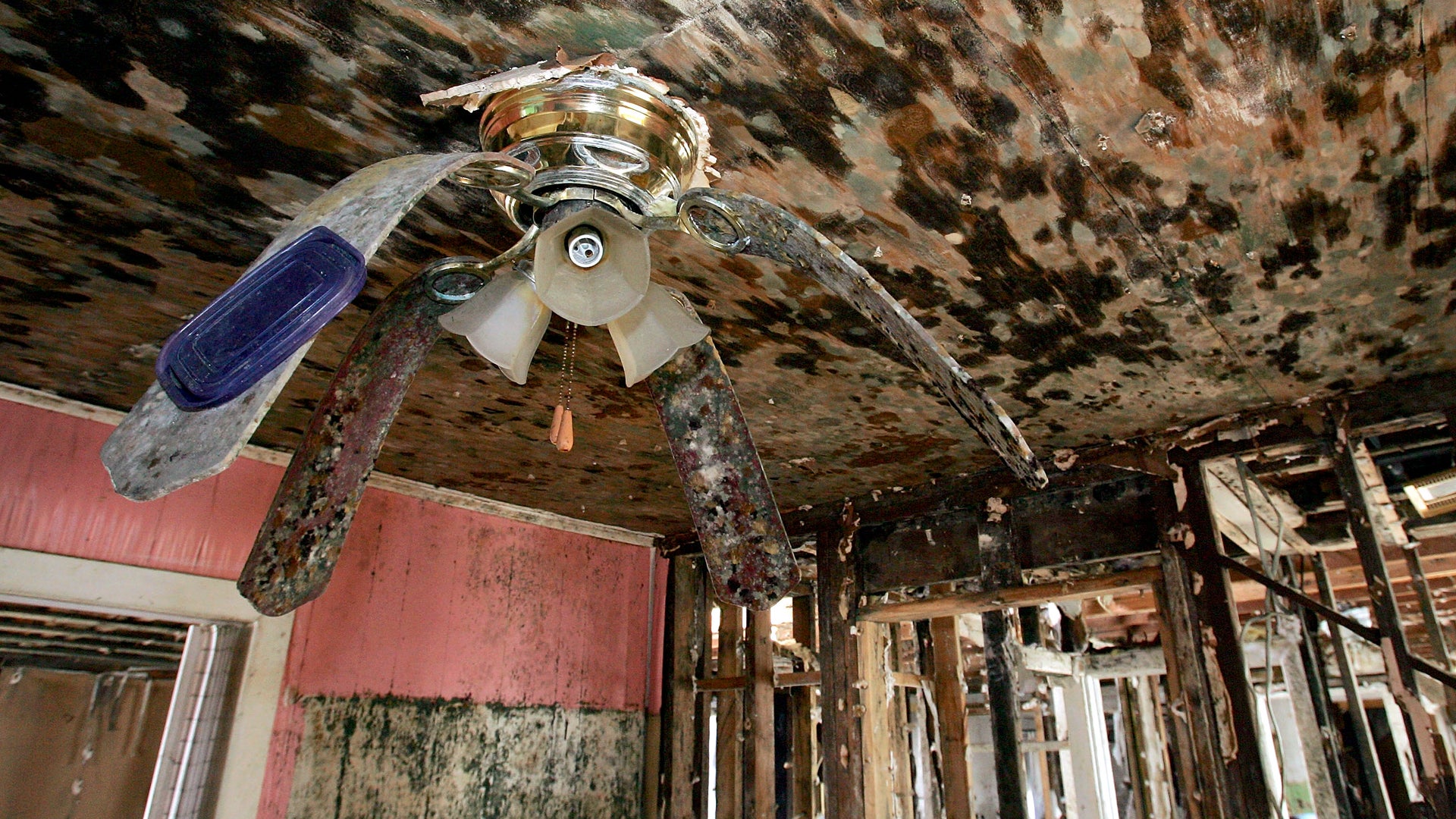
Mold After Flooding in Merritt Island: What Merritt Island Property Owners Should Know
Flooding is one of the fastest ways mold problems develop in Merritt Island homes. Whether flooding comes from hurricanes, storm surge, heavy rainfall, or rising groundwater, the coastal environment makes it especially difficult for homes to dry out completely. When floodwater enters a property, mold is not a question of if — it becomes a question of how quickly moisture is addressed.
For Merritt Island property owners, understanding what happens after flooding is critical. Mold growth after flooding is not a sign of neglect. It is a predictable outcome of moisture behavior in a high-humidity, high–water table environment. Knowing what to expect and how mold develops helps homeowners respond correctly and avoid long-term damage.
Why Flooding Leads to Mold So Quickly in Merritt Island
Merritt Island is surrounded by waterways and sits at a low elevation. After flooding, moisture does not simply drain away or evaporate. High outdoor humidity slows drying, while slab foundations and enclosed wall systems trap moisture inside the structure.
Even after standing water is removed, floodwater leaves moisture behind in drywall, insulation, flooring, baseboards, and framing. In this environment, materials can remain damp for weeks if not actively dried.
Mold thrives under these conditions, especially when floodwater saturates porous building materials.
Floodwater Doesn’t Need to Be Deep to Cause Mold
Many property owners assume mold only follows severe flooding. In reality, even shallow flooding can create serious mold issues.
Water that reaches just a few inches up the wall can soak drywall, insulation, and baseboards. Flooring systems often trap water underneath, especially laminate, vinyl, and carpet. Once moisture is absorbed, it spreads laterally and upward inside walls.
By the time surfaces look dry, moisture may still be trapped where mold can grow.
Common Flooding Scenarios in Merritt Island Homes
Flooding in Merritt Island comes from several sources, not just hurricanes. Common scenarios include:
- Storm surge from coastal systems
- Heavy rain overwhelming drainage
- Rising groundwater during prolonged storms
- Flooded streets entering garages and homes
- Water intrusion through slab edges
- Canal or lagoon overflow
Each of these introduces large volumes of moisture that are difficult to remove without proper drying.
Why Flood-Related Mold Is Often Hidden
After flooding, visible damage may seem limited. Floors may dry, walls may look intact, and odors may not appear immediately. However, mold often develops out of sight.
Hidden mold commonly grows:
- Inside wall cavities
- Behind baseboards
- Under flooring systems
- Inside closets near exterior walls
- In HVAC components exposed to moisture
Because floodwater spreads through materials, mold growth is rarely confined to the most obvious wet areas.
Timing Matters After Flooding
The first few days after flooding are critical. Mold can begin forming within a short period if materials remain wet.
In Merritt Island’s climate, delays are especially costly. High humidity prevents passive drying, and air conditioning alone is not enough to remove trapped moisture. Once mold establishes itself, cleanup becomes far more involved.
Early moisture control focuses on drying. Delayed action usually requires remediation.
Why Drying After Flooding Is Often Incomplete
Many homeowners remove standing water and assume the job is done. Unfortunately, surface drying does not address moisture absorbed deep into materials.
Drywall acts like a sponge. Insulation holds moisture even longer. Flooring systems trap water underneath, and slab foundations continue releasing moisture vapor after flooding.
Without targeted dehumidification and air movement, flood-damaged homes rarely dry fully on their own.
HVAC Systems and Flood-Related Mold
HVAC systems are especially vulnerable after flooding. If floodwater reaches air handlers, ductwork, or return plenums, moisture can spread mold conditions throughout the home.
Even when floodwater does not directly contact the HVAC system, increased humidity from flooding overwhelms condensate drainage and airflow. Mold growth near vents and air handlers is common after flood events.
HVAC evaluation is an essential part of addressing mold after flooding.
Slab Foundations and Groundwater Effects
Most homes in Merritt Island are built on slab foundations. After flooding, groundwater levels remain elevated long after surface water recedes.
Moisture continues migrating upward through the slab as vapor, keeping floor-level materials damp. This is why mold often appears weeks after flooding, even when no additional water intrusion occurs.
Understanding slab moisture behavior explains why mold problems can persist long after flood cleanup.
Why DIY Flood Cleanup Often Leads to Mold
DIY flood cleanup usually focuses on visible water removal. While this is important, it rarely goes far enough in a coastal environment.
Common issues with DIY cleanup include:
- Wet drywall and insulation left in place
- Flooring dried on the surface but wet underneath
- No moisture measurements taken
- No containment when mold appears
- No long-term humidity control
As a result, mold often appears days or weeks later in areas that seemed unaffected.
Musty Odors After Flooding
Musty or earthy odors are often the first sign that mold has begun growing after flooding. These odors usually come from hidden areas where moisture remains trapped.
Masking odors with cleaners or air fresheners does not solve the problem. Persistent smells indicate that drying was incomplete and mold has established itself somewhere in the structure.
Odors are a signal to investigate moisture, not just clean surfaces.
How Mold After Flooding Is Properly Addressed
Addressing mold after flooding requires a moisture-first approach. The process typically includes:
- Identifying how far floodwater traveled
- Removing or drying affected materials
- Isolating areas where mold is present
- Removing mold-affected porous materials
- Cleaning non-porous surfaces appropriately
- Dehumidifying until moisture levels stabilize
Without correcting moisture, mold removal after flooding is temporary.
Containment Is Essential After Flooding
When mold develops after flooding, containment becomes critical. Disturbing wet or moldy materials without containment can spread contamination throughout the home.
Containment isolates affected areas and prevents mold particles from moving into clean spaces, especially through air movement and HVAC systems.
This step protects the rest of the home during remediation.
Long-Term Damage From Flood-Related Mold
If mold after flooding is not handled correctly, long-term damage can occur. Drywall, insulation, flooring, cabinetry, and framing degrade when exposed to prolonged moisture.
Repeated flooding or incomplete remediation compounds damage over time. This increases repair costs and can affect property value, insurance claims, and future renovations.
Early, thorough response minimizes long-term impact.
Mold After Flooding in Rental Properties
For landlords and property managers, mold after flooding must be handled promptly. Delays can lead to tenant complaints, uninhabitable conditions, and extended vacancies.
Documented drying, remediation, and moisture control help protect both the property and owner responsibilities. Flood-related mold is common in coastal rentals and requires proactive management.
Preventing Mold After Future Flooding
While flooding cannot always be prevented, mold risk can be reduced. Practical steps include:
- Acting quickly after flood events
- Removing wet porous materials promptly
- Using dehumidification, not just fans
- Monitoring moisture levels after drying
- Inspecting walls, floors, and HVAC systems
- Evaluating slab-edge moisture after storms
Follow-up inspections are especially important in Merritt Island homes.
Why Local Experience Matters
Flood-related mold behaves differently in Merritt Island than in inland areas. Coastal humidity, slab foundations, salt air exposure, and high water tables all influence how long moisture remains trapped.
Local experience helps identify high-risk areas quickly and apply drying and remediation strategies that actually work in this environment.
Mold Removal Merritt Island understands how flooding affects homes locally and approaches mold issues with real Merritt Island conditions in mind.
A Practical Takeaway for Property Owners
Mold after flooding in Merritt Island is not unusual — it is a predictable outcome when moisture is not fully controlled. Floodwater introduces more moisture than most homes can handle without intervention.
The most effective response is early evaluation, aggressive drying, moisture-focused remediation, and follow-up monitoring. Waiting for visible mold almost always means the problem has already progressed.
For Merritt Island property owners dealing with flooding or concerned about mold afterward, professional evaluation provides clarity and direction. Mold Removal Merritt Island helps property owners move from flood damage to stable, mold-resistant conditions by addressing the true issue — moisture — using strategies designed for Merritt Island’s coastal environment.
