Landlord Mold Responsibilities in Indian River: What Merritt Island Property Owners Should Know
Owning rental property near the Indian River comes with steady demand and strong long-term value, but it also brings heightened responsibility when it comes to moisture and mold. Coastal humidity, high water tables, and frequent storms mean mold issues can develop faster here than in inland areas—and landlords are often the first line of defense.
For Merritt Island property owners, mold responsibilities aren’t about blame or panic. They’re about maintenance, habitability, and timely response. Understanding how mold typically develops in Indian River rentals—and what landlords should realistically manage—helps protect the property, the tenants, and the long-term value of the investment.
Why Mold Responsibility Is a Bigger Issue Near the Indian River
Properties near the Indian River exist in a moisture-heavy environment year-round. Even without flooding or obvious leaks, moisture can move through slabs, walls, and shared systems in ways that aren’t always visible.
Several local factors increase landlord responsibility:
- Constant coastal humidity that rarely fully dries materials
- High groundwater levels affecting slab foundations
- Storm-driven rain and wind intrusion
- Salt air accelerating wear on HVAC and plumbing systems
- Older rental housing stock common in parts of Merritt Island
Because these conditions are predictable, mold prevention and response become part of normal property management rather than an occasional issue.
What Mold Responsibility Generally Means for Landlords
From a practical standpoint, landlord mold responsibility centers on maintaining a habitable property and addressing conditions that allow mold to grow.
This typically includes:
- Maintaining plumbing, roofing, and HVAC systems
- Responding promptly to moisture or leak reports
- Addressing water intrusion after storms
- Ensuring proper ventilation in bathrooms and kitchens
- Managing humidity-related building issues
Mold itself is usually a symptom. Responsibility often focuses on whether the moisture source was properly maintained and addressed.
Common Mold Scenarios in Indian River Rental Properties
Understanding where mold tends to appear helps landlords stay ahead of problems.
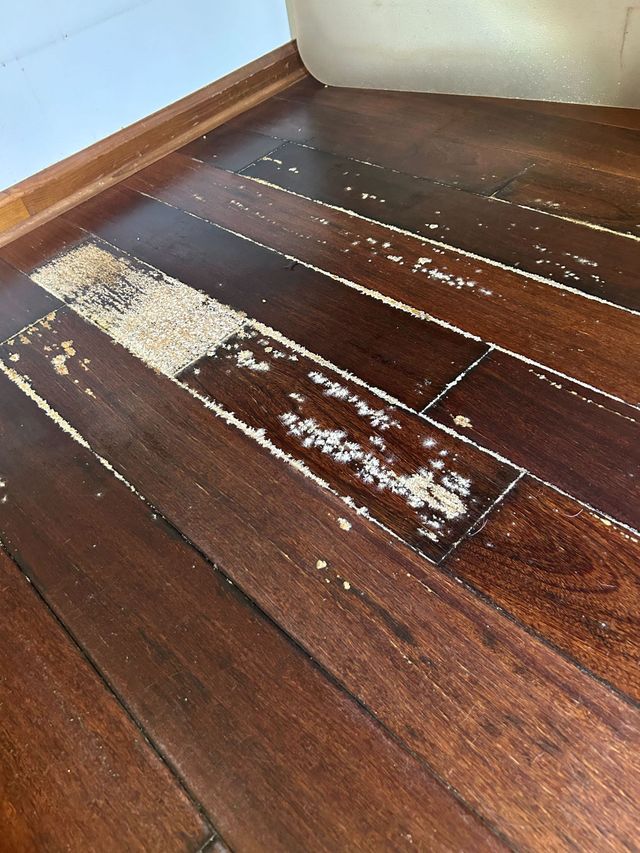
Under flooring
Moisture migrating through slabs or trapped beneath tile, vinyl, or laminate flooring is extremely common near the Indian River.
Bathrooms
High moisture use combined with limited ventilation can quickly lead to mold if fans or seals aren’t functioning properly.
HVAC systems
Condensation, clogged drain lines, and salt-air corrosion frequently lead to mold inside air handlers and ductwork.
Exterior-facing walls
Wind-driven rain and humidity can introduce moisture into wall cavities, especially in older construction.
Vacant units
When units sit empty between tenants, humidity can spike if AC systems aren’t managed correctly.
The Importance of Timely Response
One of the biggest factors in mold responsibility is how quickly issues are addressed.
Delays often occur when:
- Small leaks are underestimated
- Moisture complaints are postponed
- Turnover inspections miss hidden dampness
- Storm-related water intrusion isn’t fully dried
In Indian River properties, even short delays can allow mold to spread behind walls or under flooring, increasing repair scope later.
Why Documentation and Inspection Matter
Routine inspections play a major role in managing mold risk responsibly.
Regular inspections help landlords:
- Identify moisture issues early
- Document property condition between tenants
- Address small problems before mold develops
- Understand recurring moisture patterns
Professional mold inspections can also provide objective documentation when moisture or mold concerns arise, helping clarify what’s happening inside the structure.
Why DIY Mold Cleanup Creates Problems for Landlords
Quick DIY cleanup may seem efficient, but it often creates complications later—especially in rental properties.
Common issues include:
- Treating visible mold without addressing hidden growth
- Missing moisture trapped inside walls or slabs
- Spreading spores during uncontained cleanup
- Re-renting units before moisture is corrected
Incomplete cleanup can lead to recurring tenant complaints and more extensive remediation later.
How Professional Mold Inspection Helps Property Owners
Professional mold inspections focus on moisture behavior, not just visible mold.
In Indian River rentals, inspections often include:
- Moisture mapping of floors, walls, and ceilings
- Evaluating HVAC condensation and drainage
- Identifying hidden moisture from past leaks or storms
- Air or surface sampling when appropriate
This approach helps landlords understand the scope of the issue and prioritize effective repairs.
Proper Mold Remediation in Rental Properties
When mold is confirmed, proper remediation focuses on both removal and prevention.
A professional remediation process typically involves:
- Containment to prevent spore spread
- Safe removal of contaminated materials
- Thorough drying and dehumidification
- Repairing leaks or moisture sources
- Verifying moisture levels before re-occupancy
In Indian River properties, remediation that doesn’t address moisture control often leads to repeat issues.
Preventive Steps Landlords Can Take
Preventing mold is far easier—and less disruptive—than responding to established growth.
Helpful prevention strategies include:
- Keeping indoor humidity below 55%
- Scheduling regular HVAC maintenance
- Inspecting plumbing and flooring between tenants
- Managing AC use during vacancies
- Promptly addressing storm-related moisture
Coastal rentals benefit from more frequent monitoring than inland properties.
Why Local Merritt Island Experience Matters
Landlord responsibilities are easier to manage with local insight. Indian River properties behave differently than inland rentals because:
- Coastal humidity remains elevated year-round
- Slab foundations interact with high water tables
- Salt air accelerates system wear
- Older homes have unique moisture pathways
Mold Removal Merritt Island understands these local conditions and approaches inspections with a practical, property-owner-focused perspective.
A Calm, Practical Next Step
If you manage rental property near the Indian River and notice moisture issues, musty odors, or recurring tenant complaints, early evaluation can prevent larger disruptions. Mold issues rarely resolve on their own in coastal environments, but timely assessment often limits repair scope and downtime.
A professional inspection focused on moisture behavior can provide clarity and help landlords make informed, responsible decisions for their properties.