
Is Mold Dangerous in Indian River? What Merritt Island Property Owners Should Know
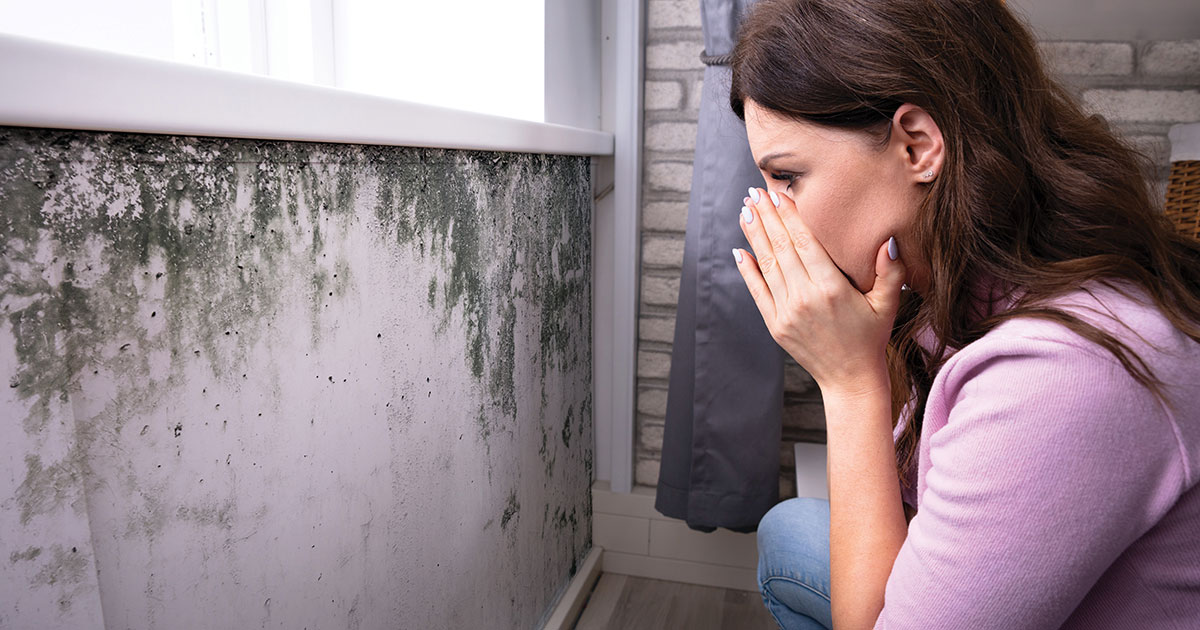
For many homeowners along the Indian River, mold feels like an unavoidable part of coastal living—something annoying but not necessarily dangerous. In reality, indoor mold can pose real health, air quality, and property risks, especially in Merritt Island’s warm, humid environment where mold can grow year-round.
So, is mold actually dangerous?
The honest answer: it depends on the amount, location, duration of exposure, and whether moisture is controlled. This guide explains what mold can do, who is most at risk, and when Indian River property owners should take action.
🌴 Why Mold Risk Is Higher Near the Indian River
Homes near the Indian River face conditions that allow mold to thrive:
- Constant coastal humidity
- Salt air that slows drying
- Frequent storms and wind-driven rain
- Long AC seasons creating condensation
- Slab foundations trapping moisture
These factors don’t just help mold grow—they allow it to persist and spread indoors if moisture isn’t actively managed.
🦠 What Mold Actually Is (and Why It Matters)
Mold is a type of fungus that reproduces through microscopic spores. Those spores are always present in the air, but they become a problem when they land on damp indoor materials and start growing.
Once mold grows indoors, it can:
- Release spores into the air
- Produce musty odors (MVOCs)
- Break down building materials
- Affect indoor air quality
Mold problems indoors are not the same as outdoor mold exposure.
🤧 Health Risks Associated With Indoor Mold
👤 Common Symptoms
For many people, mold exposure can cause:
- Sneezing or coughing
- Sinus congestion or pressure
- Runny or itchy eyes
- Throat irritation
- Headaches
- Fatigue
Symptoms often worsen at home and improve when leaving the house.
🚨 Higher-Risk Groups
Some people are more vulnerable to mold exposure, including:
- Children
- Seniors
- People with asthma or allergies
- Those with respiratory conditions
- Individuals with weakened immune systems
For these groups, even moderate mold levels can trigger significant symptoms.
🌬️ Whole-Home Exposure Risk
If mold involves:
- HVAC systems
- Ductwork
- Multiple rooms
…exposure can become continuous, increasing health risks over time.
🧱 Structural & Property Risks (Often Overlooked)
Mold doesn’t just affect people—it affects buildings.
Indoor mold can:
- Weaken drywall and wood
- Damage cabinets and flooring
- Degrade insulation
- Cause paint and finishes to fail
- Spread unseen behind walls or under floors
Left unchecked, mold damage can become expensive to repair.
👃 Why Mold Odors Are a Warning Sign
Musty smells aren’t just unpleasant—they’re a signal.
Odors mean:
- Mold is actively growing
- Moisture is still present
- Spores and gases are being released into indoor air
If odors return after cleaning, mold is still active somewhere.
🧪 Is All Mold “Toxic”?
Not all mold is classified as “toxic,” but any indoor mold growth can be problematic.
Important facts:
- Health effects depend on exposure, not just species
- Mold type matters less than how much and how long
- Visible mold is only part of the picture
- Hidden mold can be just as impactful
Focusing only on “toxic mold” often delays needed action.
❌ Common Misconception: “It’s Just a Little Mold”
In Indian River homes, “a little mold” often means:
- A bigger hidden problem
- Ongoing moisture issues
- Potential spread through air systems
Small visible growth can be the tip of the iceberg.
🌊 Why Indian River Homes Need Extra Caution
Compared to inland homes, Indian River properties experience:
- Slower drying after rain
- Higher baseline humidity
- More condensation on walls and ducts
- Longer mold growth seasons
These factors make mold harder to eliminate once it starts.
🛠️ When Mold Becomes Dangerous
Mold risk increases significantly when:
- Growth covers large areas
- Mold keeps returning
- Odors persist
- HVAC systems are involved
- Multiple rooms are affected
- Health symptoms worsen indoors
- Moisture has been present longer than 48 hours
At this point, mold is no longer just cosmetic.
🧽 Why DIY Cleanup Can Be Risky
DIY cleanup can sometimes make things worse by:
- Spreading spores into the air
- Leaving roots inside porous materials
- Ignoring hidden moisture
- Creating false confidence
If mold returns after cleaning, the risk is ongoing.
🧾 Mold, Insurance, and Resale Concerns
Unresolved mold issues can:
- Fail home inspections
- Delay real estate closings
- Require remediation before sale
- Complicate insurance claims
- Reduce property value
From a financial standpoint, mold is a serious liability if ignored.
✅ How to Reduce Mold Risk Indoors
Practical steps that matter:
✔ Keep indoor humidity below 55% (50% ideal)
✔ Run AC consistently during humid weather
✔ Use dehumidifiers where needed
✔ Fix leaks and condensation quickly
✔ Vent bathrooms and laundry rooms
✔ Watch for odors after storms
✔ Inspect hidden areas periodically
Moisture control is the most effective protection.
🛑 When to Seek Professional Guidance
Consider professional help if:
- Mold keeps coming back
- Odors persist
- Health symptoms worsen
- Moisture sources aren’t obvious
- HVAC systems may be involved
- Multiple rooms show signs
Early evaluation reduces health risk and repair costs.
📉 How Mold Affects Property Value
Buyers see mold as:
- A moisture management failure
- A potential health concern
- A future repair cost
Even small unresolved issues can lead to price reductions or lost deals.
🟢 Final Takeaway for Merritt Island Property Owners
So—is mold dangerous in Indian River homes?
👉 Yes, indoor mold can be dangerous when moisture is uncontrolled and exposure continues.
The good news:
✔ Mold problems are manageable
✔ Early action prevents escalation
✔ Moisture control reduces risk dramatically
In Merritt Island’s coastal climate, taking mold seriously protects your health, your home, and your investment.
