
Humidity and Mold in Florida in South Merritt Island: What Merritt Island Property Owners Should Know
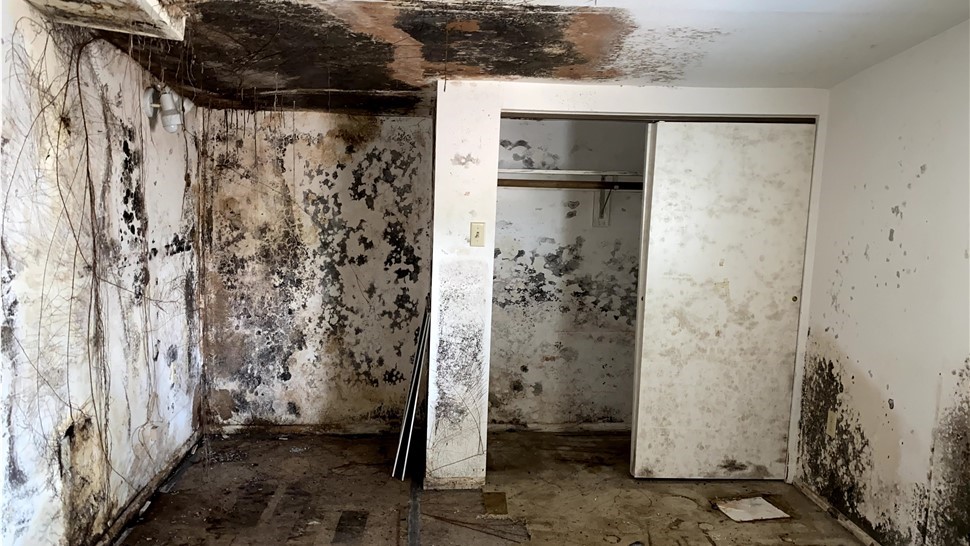
In South Merritt Island, humidity isn’t just uncomfortable—it’s the single biggest driver of mold problems in Florida homes. Unlike mold caused by a burst pipe or flooding, humidity-related mold develops quietly, spreads slowly, and often becomes widespread before homeowners realize what’s happening.
Because South Merritt Island is surrounded by water, exposed to salt air, and experiences long cooling seasons, humidity alone is often enough to cause mold, even when there are no visible leaks or water damage.
This guide explains exactly how Florida humidity leads to mold in South Merritt Island homes, where problems usually appear, and what property owners can do to stay ahead of it.
🌴 Why Humidity Is So High in South Merritt Island
South Merritt Island faces a perfect storm of moisture conditions:
- Surrounded by waterways (Banana River, Indian River Lagoon)
- Warm temperatures year-round
- High overnight humidity that prevents drying
- Salt air that holds moisture on surfaces
- Frequent rain and storms
- Homes kept closed with AC running most of the year
Even when it’s not raining, outdoor humidity levels regularly stay high enough to cause indoor moisture problems.
🦠 How Humidity Alone Causes Mold (No Leaks Required)
Many homeowners believe mold needs water damage. In Florida, that’s not true.
Here’s how humidity-driven mold develops:
- Warm, humid air enters the home
- Moisture settles on cooler surfaces (walls, floors, ducts)
- Porous materials absorb moisture
- Airflow is limited behind walls and furniture
- Mold can begin growing within 24–48 hours
Because humidity is constant, mold often keeps returning if moisture control isn’t addressed.
🧰 Common Mold Hotspots in Humid South Merritt Island Homes
Humidity-driven mold follows temperature differences and trapped air—not just plumbing.
🌬️ HVAC Systems & Air Ducts
- Condensation on coils and ductwork
- Oversized systems that cool but don’t dehumidify
- Mold spreading through airflow
🧱 Behind Walls & Baseboards
- Condensation on cooler exterior walls
- Moisture trapped behind drywall
- Mold appearing near the floor line
🪵 Under Flooring
- Slab moisture amplified by humid air
- Mold under tile, laminate, vinyl, or carpet
🚿 Bathrooms & Kitchens
- Steam adding to already humid air
- Ventilation unable to keep up
🕳️ Closets, Guest Rooms & Storage Areas
- Little airflow
- Doors kept closed
- Mold forming on walls, shoes, and stored items
If mold shows up in multiple areas at once, humidity is almost always the cause.
⚠️ Health Risks of Humidity-Driven Mold
Mold caused by high humidity often leads to ongoing exposure, not isolated symptoms.
Common health effects include:
- Persistent coughing or sneezing
- Sinus congestion and headaches
- Eye, skin, and throat irritation
- Worsening asthma or allergy symptoms
- Fatigue and breathing discomfort
Symptoms often worsen during summer, rainy periods, or when indoor humidity rises.
🔍 Warning Signs Humidity Is Causing Mold
Humidity-related mold often starts subtly.
Visual & Physical Clues
- Mold returning after cleaning
- Bubbling or peeling paint
- Warped baseboards or flooring
- Condensation on vents or windows
Smell
- Musty odors throughout the home
- Odors stronger on hot, humid days
Other Red Flags
- Indoor humidity above 55%
- AC running constantly but home still feels damp
- Mold appearing in multiple rooms
If your home smells musty without visible leaks, humidity is the likely culprit.
🧪 Humidity Mold vs. Leak-Related Mold
Knowing the difference prevents repeat problems.
| Humidity Mold | Leak-Related Mold |
|---|---|
| No visible water source | Clear leak or flood |
| Appears in many areas | Confined to one location |
| Returns after cleaning | Stops once leak is fixed |
| Requires humidity control | Requires repair & drying |
Cleaning mold without lowering humidity almost always fails.
🧽 Why DIY Mold Cleaning Doesn’t Work Long-Term
DIY cleaning treats symptoms—not the cause.
DIY efforts fail because:
- Humidity remains high
- Bleach doesn’t remove moisture
- Mold roots stay inside porous materials
- HVAC systems continue spreading spores
If humidity isn’t controlled, mold will return.
🛠️ Effective Humidity Control Strategies That Actually Work
For South Merritt Island homes, prevention = humidity control.
Key strategies:
- Keep indoor humidity below 55% (50% ideal)
- Use whole-home or room dehumidifiers
- Don’t turn AC off during vacancies
- Ensure HVAC systems are properly sized
- Keep condensate lines clean
- Improve airflow in closets and low-use rooms
- Use bathroom and kitchen exhaust fans correctly
- Seal windows, doors, and exterior penetrations
Humidity control must be consistent, not occasional.
🌊 Why South Merritt Island Homes Are Extra Vulnerable
South Merritt Island homes face constant moisture pressure from:
- Coastal humidity day and night
- Salt air slowing evaporation
- Slab foundations trapping moisture
- Long cooling seasons
- Frequent storms and heavy rain
Even newer homes can develop mold without aggressive humidity management.
📉 How Humidity-Driven Mold Affects Property Value
Chronic humidity mold can lead to:
- Failed inspections
- Required remediation before sale
- Buyer concern over recurring moisture
- Insurance complications
- Reduced resale value
Inspectors and buyers often view humidity mold as a systemic problem, not cosmetic damage.
✅ Final Takeaway for Merritt Island Property Owners
In South Merritt Island, humidity is the real mold problem.
To protect your home:
✔ Monitor indoor humidity year-round
✔ Keep levels below 55%
✔ Ventilate aggressively
✔ Maintain HVAC systems
✔ Don’t rely on surface cleaning
✔ Act early when musty odors appear
If you control humidity, you control mold.
