
Humidity and Mold in Florida in Merritt Island: What Merritt Island Property Owners Should Know
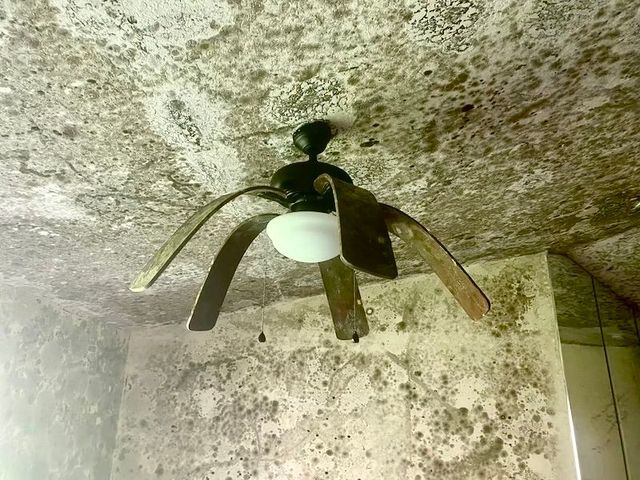
Humidity isn’t just a seasonal inconvenience in Florida—it’s a year-round reality, especially in Merritt Island. For property owners here, humidity is the single biggest factor behind ongoing mold problems. Even without flooding or obvious leaks, excess moisture in the air alone can create the right conditions for mold to grow quietly inside homes.
In Merritt Island, surrounded by the Banana River, Indian River, and Sykes Creek, humidity behaves differently than it does inland. It lingers longer, penetrates building materials more easily, and makes mold prevention an ongoing challenge. Understanding how humidity fuels mold growth—and how to manage it effectively—is essential for protecting your property.
How Humidity Leads to Mold Growth
Mold spores are always present indoors. What determines whether they grow is moisture. In Florida, high humidity often provides enough moisture on its own.
When warm, humid air enters a cooler indoor environment, moisture condenses on surfaces such as:
- Walls and ceilings
- Flooring and baseboards
- Windows and sliding doors
- HVAC components and ductwork
- Cabinets, closets, and storage areas
When these surfaces stay damp for extended periods, mold can begin growing—even without visible water damage.
Why Merritt Island Homes Are Especially Affected
Humidity-related mold issues are more common in Merritt Island than many homeowners realize.
Surrounding waterways
Living between multiple rivers and lagoons keeps ambient moisture levels high day and night.
Year-round warmth
Warm temperatures allow mold to grow in every season, not just summer.
Heavy AC use
Air conditioning cools air, which increases condensation when humidity is high.
Slab-on-grade construction
Moisture can migrate upward through concrete slabs and remain trapped under flooring.
Salt air influence
Salt particles attract and hold moisture, keeping surfaces damp longer.
Together, these factors make humidity-driven mold one of the most persistent issues in local homes.
Common Signs of Humidity-Related Mold Problems
Humidity mold doesn’t always start with obvious black spots. Early warning signs include:
- Musty or stale odors that don’t go away
- Condensation on windows, vents, or walls
- Warped baseboards or cabinets
- Bubbling or peeling paint
- Persistent indoor dampness
- Increased allergy-like symptoms indoors
In Merritt Island homes, these signs often worsen during the rainy season or after storms.
Where Humidity-Driven Mold Often Hides
Many humidity-related mold problems develop out of sight.
Inside walls
Moist air enters wall cavities and condenses on cooler surfaces.
Under flooring
Moisture becomes trapped beneath tile, laminate, or vinyl flooring.
HVAC systems
Air handlers and ductwork collect condensation in humid conditions.
Attics
Warm, moist air rises and condenses on roof decking.
Closets and cabinets
Enclosed spaces trap humid air and dry slowly.
These hidden areas allow mold to spread before it’s noticed.
Why Dehumidifiers and AC Alone Aren’t Always Enough
Many homeowners assume running the AC or a dehumidifier solves humidity issues. While helpful, they’re not a complete solution.
Structural moisture remains
Humidity inside walls or slabs isn’t always reduced by air treatment alone.
Poor airflow traps moisture
Closets, corners, and storage areas may stay damp.
System issues reduce effectiveness
Improperly sized or poorly maintained HVAC systems struggle with humidity control.
Moisture sources continue
Leaks, condensation, or intrusion still feed mold growth.
Effective humidity control requires a whole-home approach.
Professional Mold Inspection and Moisture Evaluation Explained
A professional inspection focuses on how moisture behaves throughout the home—not just where mold is visible.
Visual assessment
Inspectors look for condensation patterns, staining, and airflow issues.
Moisture detection tools
Meters and infrared imaging identify damp areas behind walls and floors.
Targeted sampling when appropriate
Air or surface samples may confirm mold presence and scope.
Clear explanations
Findings are explained in plain language so homeowners understand the root cause.
This approach helps address humidity problems before mold becomes widespread.
How to Manage Humidity and Reduce Mold Risk
Humidity control is an ongoing process in Merritt Island homes.
- Monitor indoor humidity regularly
- Maintain HVAC systems and condensate lines
- Use exhaust fans in bathrooms and kitchens
- Improve airflow in closets and storage areas
- Seal windows, doors, and exterior penetrations
- Inspect after storms and heavy rain
- Address leaks immediately
Consistency is more effective than occasional fixes.
Why Local Merritt Island Experience Matters
Humidity-related mold in Merritt Island behaves differently than in inland Florida. Local experience means understanding:
- Coastal humidity patterns
- Waterway-driven moisture behavior
- Slab moisture migration
- Salt air effects on condensation
- Common construction styles in island homes
This knowledge allows for more accurate diagnosis and long-term solutions.
A Practical Next Step for Property Owners
If your home feels damp, smells musty, or shows signs of ongoing moisture, it’s worth having it evaluated. Humidity-driven mold problems rarely resolve on their own in Merritt Island and often worsen over time.
A professional inspection can identify where humidity is affecting your home, explain the risks clearly, and outline practical steps to reduce mold growth—without pressure or alarm. For Merritt Island property owners, understanding and managing humidity is one of the most effective ways to protect indoor air quality, building materials, and long-term property value.
