
Humidity and Mold in Florida in Indian River: What Merritt Island Property Owners Should Know
Humidity is the number one driver of mold growth in Florida, and properties near the Indian River feel its effects year-round. Unlike mold caused by a single leak or flood, humidity-driven mold develops slowly and quietly—often spreading for months before it’s discovered.
For Merritt Island property owners, understanding how Florida humidity fuels mold growth, where problems usually start, and how to control moisture is essential for protecting indoor air quality, structural integrity, and long-term property value.
🧠 Why Florida Humidity Is a Mold Problem in Indian River Homes
Indian River properties experience a unique combination of coastal and subtropical conditions.
🌊 Constant Moisture in the Air
Florida’s coastal humidity rarely drops to safe levels. Moist air enters homes through:
- Doors and windows
- Ventilation systems
- Small gaps in exterior walls
When that humid air meets air-conditioned interiors, condensation forms—often inside walls, ceilings, and HVAC systems where mold thrives unseen.
❄️ Air Conditioning Doesn’t Remove Enough Moisture
Air conditioning cools air, but it doesn’t always remove enough humidity—especially when systems are oversized or poorly maintained. This can leave indoor humidity high even when the home feels cool.
📈 Why Humidity-Driven Mold Is Often Missed
Humidity mold behaves differently than leak-related mold.
😷 Health Symptoms Before Visible Mold
Occupants may notice:
- Persistent coughing or congestion
- Headaches or fatigue
- Allergy or asthma flare-ups
These symptoms often worsen indoors and improve outside—long before visible mold appears.
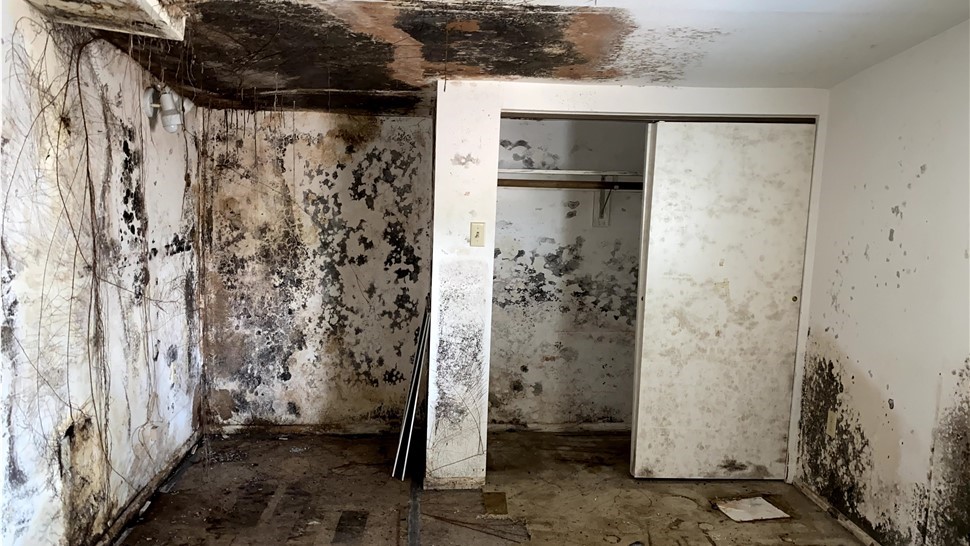
🏚 Hidden Growth Is Common
In Indian River homes, humidity-driven mold often grows:
- Behind drywall
- Under flooring
- Inside HVAC systems and ductwork
- In attics and crawl spaces
By the time mold is visible, damage is often widespread.
🔍 Common Areas Affected by Humidity Mold
Property owners should closely monitor:
- Exterior-facing walls
- Bathrooms and kitchens
- HVAC closets, coils, and drain pans
- Closets and enclosed rooms
- Under flooring in slab homes
These areas trap moisture and are usually first to develop mold.
🧪 How Humidity-Related Mold Is Identified
Because humidity mold is often hidden, professional evaluation is important.
🔎 Mold Inspection
A proper inspection may include:
- Moisture readings in walls and floors
- HVAC and ventilation assessment
- Identification of condensation patterns
🧫 Mold Testing
Testing may involve:
- Air sampling to measure airborne spores
- Surface sampling in high-humidity areas
Results help determine severity and guide next steps.
🧼 Addressing Mold Caused by Florida Humidity
Effective solutions must control both mold and moisture.
🧰 Professional Remediation May Include:
- Containment to prevent spore spread
- Removal of contaminated materials
- HEPA air filtration
- Antimicrobial treatment
- HVAC moisture corrections
- Long-term humidity control solutions
Without humidity control, mold often returns.
🛠 How to Control Humidity and Prevent Mold in Indian River Homes
✅ Maintain Proper Indoor Humidity
- Keep indoor humidity between 30–50%
- Use whole-home or portable dehumidifiers
- Monitor levels with digital hygrometers
Humidity above 60% dramatically increases mold risk.
✅ Optimize HVAC Systems
- Ensure systems are properly sized
- Clean condensate drain lines regularly
- Replace filters consistently
- Run AC even during vacancy periods
✅ Improve Ventilation
- Vent bathrooms and kitchens outdoors
- Ensure attic ventilation is adequate
- Avoid trapping humid air inside the home
✅ Act Quickly After Moisture Events
- Dry wet areas within 24–48 hours
- Don’t install flooring over damp surfaces
- Address condensation problems immediately
🧪 Humidity Mold vs. Leak Mold
- Humidity mold develops slowly and spreads widely
- Leak-related mold is usually localized and event-driven
Because humidity is constant in Indian River, ongoing prevention is essential.
🧑🔧 Final Thoughts: In Florida, Humidity Is the Real Enemy
In Indian River, mold problems aren’t just about leaks—they’re about humidity control.
For Merritt Island property owners, remember:
- Florida humidity fuels mold year-round
- Mold often grows without obvious water damage
- Hidden areas are most vulnerable
- Humidity management is the best defense
Controlling moisture consistently is the most effective way to protect your home, your health, and your investment in Florida’s coastal climate.
