
How Mold Testing Works in Merritt Island: What Merritt Island Property Owners Should Know
Mold testing is one of those things people hear about a lot—but rarely get a clear explanation of. Some Merritt Island property owners assume testing automatically means bad news. Others think it’s a magic button that tells you everything about mold in a house. The truth sits comfortably in the middle.
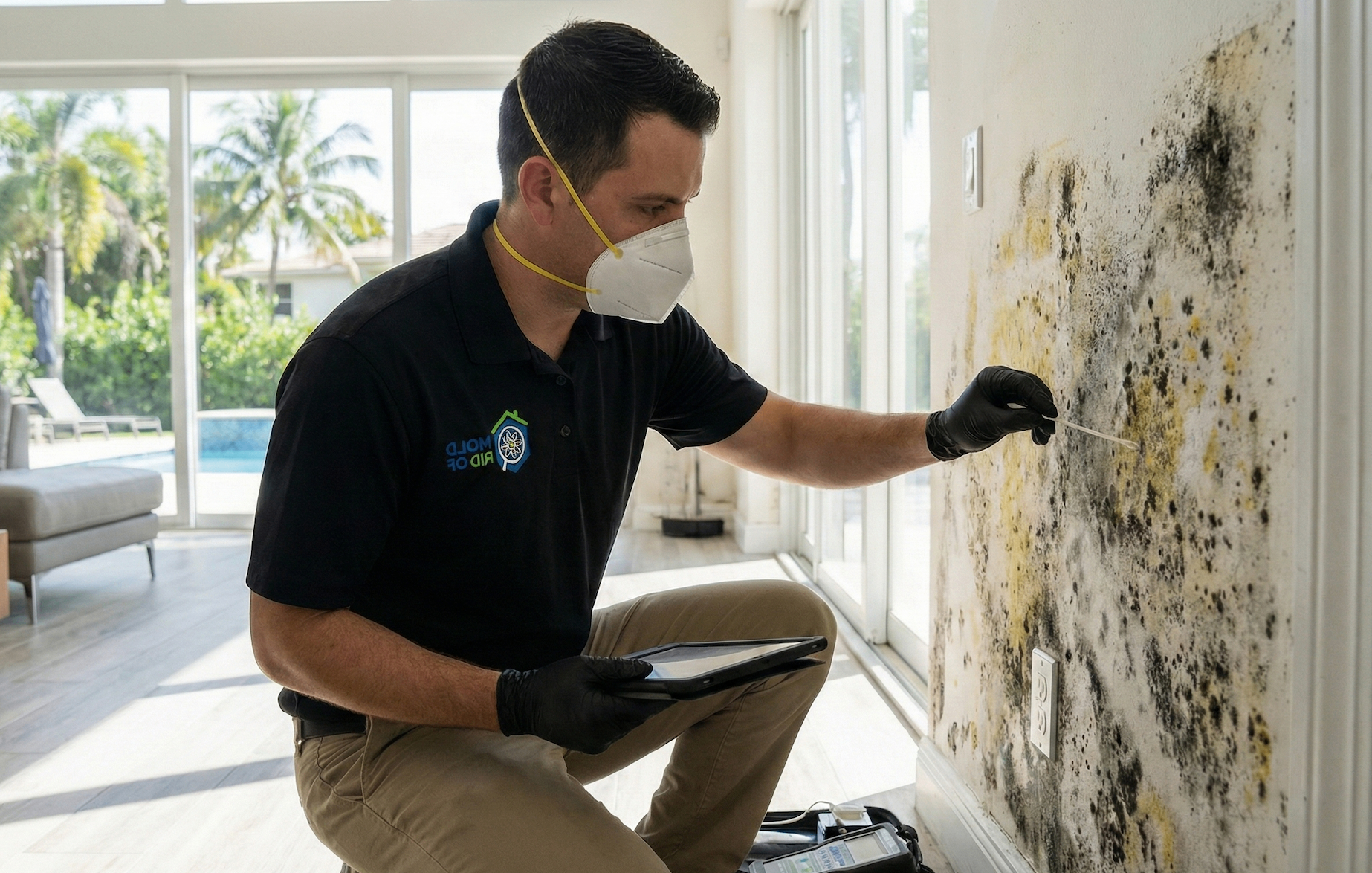
What Mold Testing Is (and What It Isn’t)
Mold testing measures mold particles in the air or on surfaces. It doesn’t diagnose health conditions, and it doesn’t automatically mean your home has a major mold problem.
Mold testing does help:
- Confirm whether mold is present
- Compare indoor and outdoor mold levels
- Identify patterns tied to moisture issues
- Support decisions for real estate or rentals
Mold testing doesn’t:
- Replace a physical inspection
- Fix mold problems on its own
- Explain moisture sources by itself
Testing works best when it supports an inspection—not when it’s done blindly.
Why Mold Testing Comes Up So Often in Merritt Island
Merritt Island homes deal with:
- High humidity year-round
- Heavy AC use
- Slab foundations and enclosed spaces
- Storm-driven moisture
Because mold often grows out of sight, testing becomes helpful when:
- Odors exist without visible mold
- Multiple rooms feel affected
- Symptoms don’t match what you can see
In short, testing helps when the house feels “off,” but nothing obvious explains why.
Step 1: Deciding If Testing Is Even Needed
Not every situation needs mold testing—and that’s a good thing.
Testing usually makes sense when:
- Musty smells persist after cleaning
- Mold keeps returning in the same areas
- A home sale or purchase is involved
- Documentation is needed
- An inspection finds moisture without visible mold
If mold is already clearly visible and the moisture source is obvious, testing may not add much value.
Step 2: Air Sampling Explained (The Most Common Test)
Air sampling measures mold particles floating in the air.
Here’s how it works:
- A small pump pulls air through a cassette
- Samples are collected from indoor areas
- An outdoor sample is taken for comparison
That outdoor sample matters. Mold exists everywhere naturally. The key question is whether indoor levels or types differ from outside, which often points to indoor growth.
Air samples help identify:
- Elevated indoor mold levels
- Differences between rooms
- Patterns linked to HVAC operation
Step 3: Surface Sampling (When Mold Is Visible)
Surface testing happens when something suspicious is visible.
Common surface samples include:
- Swabs from walls or ceilings
- Tape lifts from suspected mold growth
- Samples from vents or cabinets
Surface tests help confirm whether a substance is mold and can identify general mold groupings. They’re especially useful when documentation matters.
Step 4: Lab Analysis (What Happens After Samples Are Taken)
Samples don’t get analyzed on-site. They go to a lab.
The lab:
- Examines samples under a microscope
- Identifies mold types or groups
- Counts mold particles in air samples
Results usually come back in a few days. They don’t just say “yes” or “no”—they provide data that needs interpretation.
Step 5: Understanding the Results (This Is the Important Part)
This is where confusion often happens.
Lab reports show:
- Mold types or categories
- Concentration levels
- Indoor vs outdoor comparisons
What matters most is context:
- Are indoor levels higher than outside?
- Are certain rooms elevated?
- Do results align with moisture findings?
Numbers alone don’t tell the story. How those numbers fit the home’s conditions does.
Why Mold Testing Without Inspection Falls Short
Testing without inspection is like running lab work without a physical exam.
Testing alone won’t tell you:
- Where mold is growing
- Why moisture is present
- How mold is entering the air
That’s why professional evaluations start with inspection, then use testing to confirm or clarify findings—not the other way around.
Mold Testing and HVAC Systems
In Merritt Island homes, HVAC systems play a big role in mold movement.
Testing can help when:
- Odors worsen when the AC runs
- Multiple rooms show similar symptoms
- Condensation issues are suspected
Air samples near return vents or air handlers often reveal patterns tied to system-related moisture problems.
When Mold Testing Helps the Most
Testing is especially useful for:
- Real estate transactions
- Rental documentation
- Ongoing odor complaints
- Unexplained indoor air issues
- Peace of mind after water events
It provides evidence—not assumptions.
When Mold Testing May Not Be Necessary
Testing may not add value when:
- Mold is clearly visible and localized
- Moisture sources are obvious and resolved
- No odors or symptoms remain
- Conditions no longer support growth
In those cases, fixing moisture matters more than testing numbers.
Why Local Experience Matters for Testing in Merritt Island
Mold testing in coastal Florida requires local understanding. Outdoor mold levels, humidity patterns, and seasonal changes all affect results.
That’s why Mold and Duct Cleaning Experts help Merritt Island property owners interpret mold testing results based on real local conditions—not generic charts or scare tactics.
Final Thoughts
Mold testing isn’t scary, and it isn’t magic. It’s a tool—one that works best when used at the right time, for the right reason, and with proper interpretation.
In Merritt Island homes, where mold often hides and moisture moves quietly, testing can provide clarity when inspection alone leaves questions unanswered. When you understand how testing works, you can use it confidently—without guessing or overreacting.
