
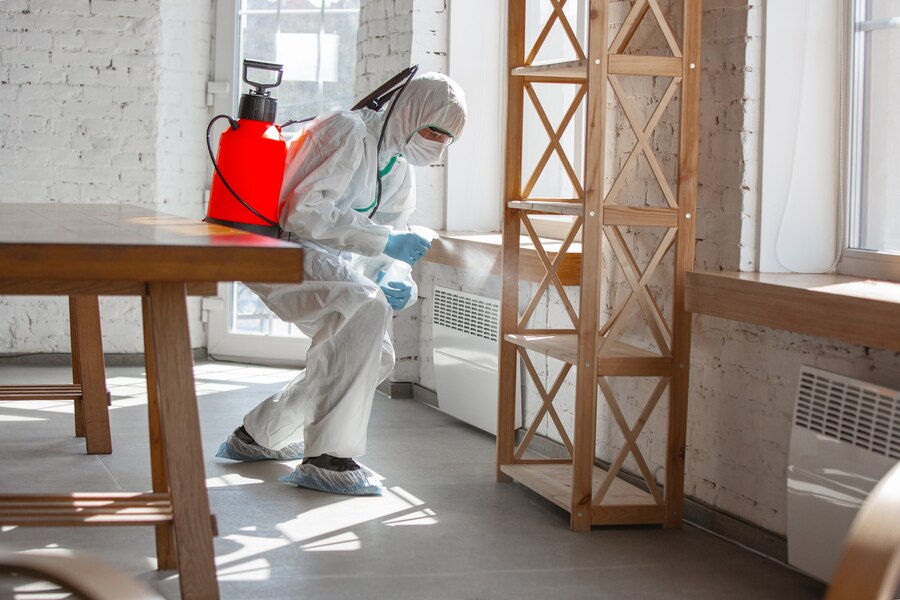
How Mold Testing Works in Indian River: What Merritt Island Property Owners Should Know
Homes along the Indian River in Merritt Island enjoy scenic waterfront living, but coastal environments also bring persistent humidity and moisture challenges that can lead to mold concerns. When homeowners notice musty odors, visible mold, or indoor discomfort, one of the first questions often asked is whether mold testing is needed and how the process works.
Many property owners assume mold testing is the first step in solving mold problems. In reality, testing is one part of a larger inspection process designed to determine whether mold is present and whether indoor air quality may be affected. Testing also helps clarify situations where mold is suspected but not visible.
Understanding how mold testing works helps Merritt Island homeowners make informed decisions about protecting their homes and indoor comfort.
Why Mold Testing Is Sometimes Necessary in Indian River Homes
Mold spores naturally exist everywhere, both outdoors and indoors. Mold becomes a problem when moisture allows spores to grow into colonies inside homes.
In Indian River communities, moisture problems commonly develop from:
- Coastal humidity
- Storm and rain intrusion
- Roof leaks
- Plumbing leaks
- Flooding or standing water
- AC condensation problems
- Crawl space or attic moisture
- Poor ventilation
Because mold often grows in hidden locations, testing may be needed when contamination cannot be easily seen but moisture concerns exist.
Testing helps confirm whether indoor mold levels are elevated compared to normal outdoor conditions.
When Mold Testing Is Recommended
Not every mold situation requires testing. In many cases, visible mold combined with moisture problems already confirms remediation is needed.
However, mold testing is commonly recommended when:
- Musty odors exist but mold is not visible
- Residents notice indoor air discomfort
- Mold repeatedly returns after cleaning
- Hidden contamination is suspected
- Homes experienced past flooding or leaks
- Real estate transactions require evaluation
- Tenants raise mold concerns
- Property owners want confirmation before remediation
Testing helps clarify whether contamination is affecting indoor air quality.
How Mold Testing Fits Into a Mold Inspection
Mold testing is usually part of a professional inspection rather than a standalone service.
Inspectors first evaluate the home to identify:
- Visible mold growth
- Moisture sources
- Areas affected by leaks or humidity
- Hidden damp conditions
Testing may then be used to confirm findings or investigate hidden problems.
Moisture detection remains the most important step because mold only grows where moisture exists.
Step 1: Visual Inspection Before Testing
Professional mold testing begins with a thorough inspection of the property.
Inspectors examine:
- Walls and ceilings
- Bathrooms and kitchens
- Closets and storage areas
- HVAC systems
- Attics and crawl spaces
- Areas affected by past water damage
They look for:
- Visible mold growth
- Water stains or discoloration
- Damp materials
- Signs of past leaks
- Condensation buildup
- Musty odors
If mold is clearly visible, testing may not always be necessary since remediation would already be recommended.
Step 2: Moisture Detection
Before testing occurs, inspectors use specialized equipment to detect hidden moisture.
Moisture meters and thermal tools help identify:
- Damp drywall
- Wet insulation
- Moisture under flooring
- Slow plumbing leaks
- Roof leak pathways
- Condensation problems
Moisture mapping often reveals areas where mold could be growing unseen.
Homes near Indian River frequently experience moisture lingering after leaks appear resolved.
Step 3: Air Sampling Explained
Air sampling is one of the most common mold testing methods.
During air sampling, small air pumps collect air samples from inside the home and from outdoors. Samples are captured onto collection media and sent to a laboratory for analysis.
Laboratories examine:
- Types of mold spores present
- Quantity of spores
- Comparison between indoor and outdoor air
Indoor air normally contains some mold spores. However, if indoor levels are significantly higher than outdoor levels, active mold growth may be present inside the home.
Air samples are often taken in:
- Living areas
- Bedrooms
- Rooms with odors
- Areas suspected of contamination
- Outdoor reference locations
Air testing helps determine whether mold is affecting indoor air quality.
Step 4: Surface Sampling
Surface samples are sometimes collected when visible mold is present or when inspectors want to identify mold types.
Surface sampling methods include:
- Tape lifts
- Swab samples
- Material samples
Samples are sent to a lab where mold types are identified.
Surface testing is often used to confirm whether staining is mold or another material such as dirt or soot.
Step 5: Laboratory Analysis
All collected samples are sent to certified laboratories for analysis.
Laboratories identify:
- Mold spore types
- Spore concentrations
- Presence of common indoor molds
- Comparison of indoor and outdoor conditions
Results help determine whether mold contamination is active and whether remediation may be necessary.
Lab reports are usually returned within a few days.
Step 6: Results Explained to Homeowners
After results return, inspectors explain findings in clear terms.
Reports often include:
- Indoor vs. outdoor mold comparisons
- Locations with elevated mold levels
- Possible moisture sources
- Recommended next steps
- Prevention suggestions
Inspectors familiar with Indian River homes — including professionals experienced with situations commonly addressed by Mold Removal Merritt Island — often recognize recurring moisture patterns affecting waterfront properties.
Clear explanations help homeowners understand whether action is needed.
Why Testing Alone Does Not Solve Mold Problems
Many homeowners assume testing alone fixes mold concerns, but testing only identifies conditions.
Mold problems are solved by:
- Finding moisture sources
- Correcting leaks or humidity problems
- Removing contamination
- Properly drying affected areas
Testing helps guide decisions, but moisture correction remains the real solution.
Why DIY Mold Testing Kits Often Miss Problems
Homeowners sometimes purchase DIY mold test kits. These kits often detect mold spores but may create confusion.
Because mold spores exist everywhere, DIY tests frequently show mold presence even in healthy homes.
DIY kits often fail to:
- Compare indoor and outdoor conditions
- Identify moisture sources
- Locate hidden contamination
- Provide reliable professional interpretation
Professional inspections offer clearer guidance.
What Happens If Mold Is Confirmed?
If testing confirms elevated mold levels, remediation may be recommended.
Typical remediation includes:
- Containment to prevent spore spread
- HEPA air filtration
- Removal of contaminated materials when needed
- Cleaning structural components
- Thorough drying
- Repairing moisture sources
- Prevention planning
Once moisture is corrected, mold growth usually stops recurring.
Prompt action restores indoor comfort.
How Property Owners Can Reduce the Need for Testing
Preventing mold reduces the need for future testing.
Helpful prevention steps include:
- Repairing leaks quickly
- Servicing HVAC systems annually
- Cleaning condensate drain lines
- Running exhaust fans during showers and cooking
- Monitoring indoor humidity
- Inspecting roofs after storms
- Improving airflow inside closets
- Checking crawl spaces and attics
- Using dehumidifiers when needed
- Scheduling routine moisture inspections
Homes near waterways benefit from additional humidity monitoring during summer months.
Prevention almost always costs less than remediation.
Why Local Experience Matters During Mold Testing
Moisture behavior varies based on climate and building design. Professionals familiar with Merritt Island homes understand how coastal humidity, storms, and local construction practices influence mold growth.
Local experience allows inspectors to quickly identify recurring moisture trouble spots and recommend solutions suited to Indian River homes.
Many homes in the area share similar environmental exposure, making regional expertise especially helpful when diagnosing mold concerns.
A Practical Next Step for Property Owners
If your home smells musty, has experienced leaks, or feels unusually humid, professional mold testing combined with a detailed inspection can help determine whether hidden mold growth is affecting indoor conditions.
Most mold concerns can be resolved effectively once moisture sources are corrected and contaminated materials are treated properly. Early evaluation helps protect property value while maintaining comfortable indoor living conditions.
Whether you own or manage property near Indian River or elsewhere in Merritt Island, understanding how mold testing works helps ensure homes remain safe, dry, and protected from mold-related problems year-round.
