
High Water Table Mold Issues in Banana River: What Merritt Island Property Owners Should Know
Living near the Banana River is one of the reasons many people choose Merritt Island. Waterfront views, steady breezes, and a relaxed coastal setting all add to the appeal. But homes near the river also face a less visible challenge that affects many properties year after year: a high water table.
A high water table doesn’t always cause obvious flooding. Instead, it creates constant ground moisture that slowly works its way into homes. In Banana River neighborhoods, this is one of the most common contributors to recurring mold problems. Understanding how a high water table affects your home helps explain why mold keeps appearing and what it really takes to stop it.
What a High Water Table Means for Banana River Homes
The water table refers to how close groundwater sits to the surface. Near the Banana River, groundwater levels are often high, especially after heavy rain or during seasonal tides. Even when the yard looks dry, moisture may be sitting just below the slab or crawl space.
This moisture doesn’t stay put. It moves upward through soil and concrete, affecting slabs, foundations, and lower wall sections. Over time, that constant moisture creates conditions where mold can grow without any obvious leak or water event.
Why Mold Is Common Near the Banana River
Homes near the Banana River deal with moisture from multiple directions. Humid air surrounds the home, groundwater pushes up from below, and rainwater saturates soil during storms. When these factors combine, drying becomes difficult.
Slab foundations are especially vulnerable. Concrete is porous, and moisture can wick upward into flooring materials, baseboards, and drywall. In homes with limited ventilation or older construction, this moisture often lingers long enough for mold to take hold.
How High Water Tables Create Hidden Mold Problems
One of the most frustrating aspects of high water table mold issues is that they are often hidden. Mold may develop under flooring, behind baseboards, or inside wall cavities where moisture accumulates slowly over time.
Homeowners may notice subtle signs first. A musty smell that comes and goes. Floors that feel slightly damp. Paint that bubbles near the bottom of walls. These symptoms are easy to overlook but often point to moisture rising from below.
Common Areas Affected by Ground Moisture
In Banana River homes, mold related to high water tables often appears in predictable areas. Lower wall sections near exterior walls are common trouble spots. Closets on the first floor may develop odors or spotting due to limited airflow.
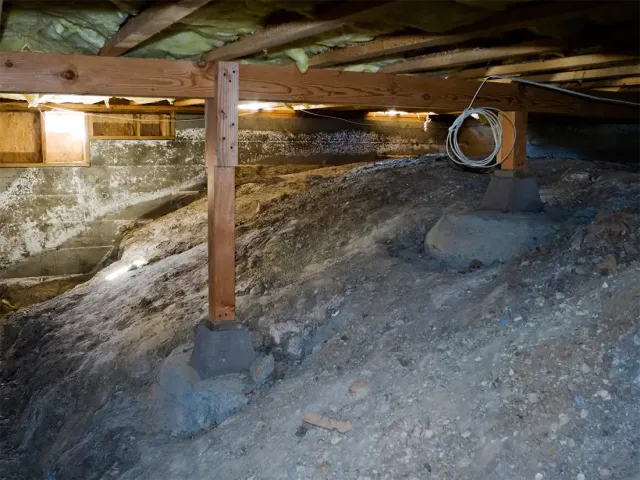
Crawl spaces, where present, are especially vulnerable. Moist soil beneath the home creates a constant humidity source. Without proper moisture control, mold can grow on framing, insulation, and subflooring.
HVAC systems can also be affected. Condensation combined with ground moisture can raise indoor humidity levels, allowing mold to spread beyond the original source.
Why Mold Keeps Returning After Cleanup
Many property owners clean visible mold only to see it return weeks or months later. When a high water table is involved, surface cleaning doesn’t address the root cause.
As long as moisture continues to rise from the ground, mold-friendly conditions remain. Even if visible growth is removed, spores in hidden damp areas can reactivate once conditions are right again. This cycle is common in Banana River homes where moisture control has not been fully addressed.
The Limitations of DIY Mold Removal
DIY mold removal often focuses on what can be seen. Scrubbing walls, using bleach, or repainting may improve appearance temporarily, but it rarely solves moisture-driven mold issues.
Bleach and household cleaners do not penetrate porous materials deeply enough to reach mold roots. More importantly, they do nothing to stop moisture from entering the home from below. In high water table areas, this means mold almost always returns.
Why Professional Mold Inspection Is Critical
Professional mold inspection helps identify moisture patterns that are not visible to the eye. Moisture meters and thermal tools can detect damp areas inside walls and floors that feel dry on the surface.
In Banana River neighborhoods, inspection often reveals moisture intrusion that homeowners were unaware of. Understanding how and where moisture is entering the home allows for targeted solutions instead of repeated cleanups.
Proper Mold Removal When Ground Moisture Is Involved
Effective mold removal in high water table environments requires more than surface treatment. Containment is used to prevent spores from spreading during removal. Affected materials may need to be removed or treated properly depending on severity.
Just as important is correcting moisture conditions. This may involve improving drainage, sealing slab edges, adjusting HVAC operation, or adding moisture control measures appropriate for coastal homes. Companies like Mold Removal Merritt Island approach these situations with an understanding of how ground moisture behaves near the Banana River.
How HVAC Systems Interact With Ground Moisture
Air conditioning systems play a major role in managing moisture. In homes affected by high water tables, AC systems often run frequently but still struggle to keep humidity low.
Improperly sized systems, clogged drains, or poor airflow can allow moisture to linger indoors. When combined with ground moisture, this creates ideal conditions for mold growth throughout the home, not just near the floor.
Preventing Mold in High Water Table Areas
Prevention starts with moisture awareness. Maintaining consistent indoor humidity is essential. AC systems should be properly maintained and set to control moisture, not just temperature.
Ventilation matters as well. Bathrooms, kitchens, and laundry areas should vent effectively. Crawl spaces benefit from moisture barriers and controlled airflow. Regular inspections after heavy rain help catch early signs of moisture intrusion before mold develops.
Long-Term Effects on Property Value
Persistent mold issues tied to high water tables can affect property value over time. Musty odors, visible damage, or a history of recurring mold often raise concerns during inspections and sales.
Addressing mold properly and documenting professional remediation helps protect long-term value. Buyers familiar with Banana River properties often ask detailed questions about moisture control and mold history.
Why Local Experience Matters Near the Banana River
High water table mold issues are not the same everywhere. Local experience matters. Professionals familiar with Merritt Island understand how groundwater, tides, and building styles interact near the Banana River.
This knowledge leads to more accurate diagnoses and effective solutions. Instead of trial-and-error fixes, property owners benefit from strategies that work in this specific coastal environment.
A Practical Approach for Banana River Property Owners
High water tables are a fact of life near the Banana River, but ongoing mold problems don’t have to be. Understanding how ground moisture affects your home makes it easier to address mold at its source.
With proper inspection, professional remediation when needed, and consistent moisture control, Banana River homes can remain healthy and resilient. A calm, informed approach helps property owners manage mold realistically in an environment where moisture is always present.
