
Hidden Mold in Sykes Creek: What Merritt Island Property Owners Should Know
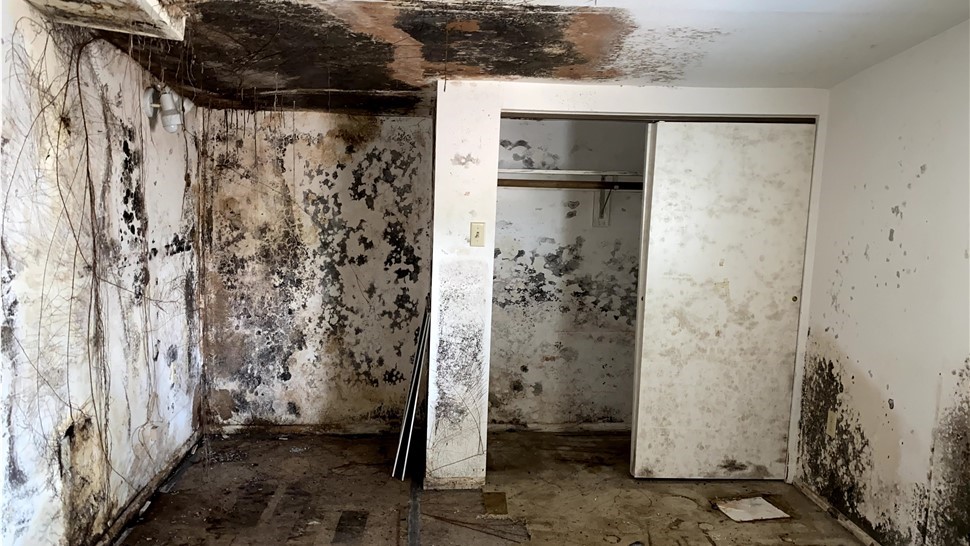
Hidden mold is one of the most common—and most overlooked—mold problems in Sykes Creek homes. With coastal humidity, salt air, elevated groundwater, and year-round AC use, mold often grows out of sight while quietly affecting indoor air quality, comfort, and health.
For Merritt Island property owners, knowing where hidden mold develops, how to spot the warning signs, and what actually stops it is essential to preventing repeat problems and costly remediation.
🧠 Why Hidden Mold Is So Common in Sykes Creek
Sykes Creek homes sit in a moisture-rich environment:
- Persistent coastal humidity that rarely drops low enough to dry materials
- Salt air that increases condensation on cooler surfaces
- High water tables that push moisture up through slabs and lower walls
- Heavy HVAC use, creating constant condensation cycles
Because moisture doesn’t always appear as a leak, mold often grows behind drywall, under flooring, or inside HVAC systems—not on visible surfaces.
📍 Most Common Places Hidden Mold Grows
Hidden mold typically shows up in areas that are cool, enclosed, and rarely inspected, including:
- Behind drywall on exterior-facing walls
- Under flooring (tile, vinyl, laminate) in slab homes
- HVAC air handlers, ducts, and drain pans
- Attics with poor ventilation
- Closets with limited airflow
- Behind cabinets and vanities
- Under sinks after slow plumbing leaks
If moisture persists, these spaces can support mold growth for months before discovery.
🚩 Subtle Warning Signs Property Owners Miss
Hidden mold usually announces itself quietly. Watch for:
- Persistent musty or earthy odors with no visible source
- Condensation on vents, windows, or walls
- Peeling paint or bubbling drywall near baseboards
- Allergy or asthma symptoms that worsen indoors
- Odors that intensify when the AC runs
- Mold that keeps returning after cleaning
When symptoms improve outside the home, hidden mold is a strong possibility.
😷 Health & Indoor Air Quality Effects
Hidden mold can impact health even at low, ongoing exposure levels:
- Coughing, congestion, or sinus pressure
- Headaches or fatigue
- Asthma flare-ups or wheezing
- Eye, nose, or throat irritation
Children, seniors, and anyone with respiratory conditions are more vulnerable—often noticing symptoms before mold is found.
🧪 When Inspection or Testing Makes Sense
Professional evaluation is especially helpful when:
- Odors persist without visible mold
- Health symptoms align with time indoors
- A home has a history of leaks, storms, or flooding
- Buying or selling a Sykes Creek property
- Mold returns after DIY cleanup
Inspections focus on moisture detection first; testing can support findings or document air quality when needed.
🚫 What Doesn’t Fix Hidden Mold
- Bleach or store-bought sprays
- Painting over stains
- Masking odors with air fresheners
- Turning AC off in humid weather
- Replacing materials without fixing moisture
These steps often spread spores and allow mold to return.
🛠 How Hidden Mold Is Properly Addressed
🔍 1) Find the Moisture Source
Leaks, condensation, humidity imbalance, HVAC issues, or ground moisture must be identified.
🛑 2) Contain the Area
Containment prevents spores from spreading to clean rooms during work.
🌬 3) Control Air Quality
HEPA filtration removes airborne spores while remediation is underway.
🧱 4) Remove Affected Materials
When necessary, contaminated drywall, insulation, or flooring is removed and disposed of safely.
💧 5) Correct Moisture Conditions
Humidity control, HVAC adjustments, and repairs are essential—without this, mold returns.
🏚 Property Value & Insurance Considerations
Hidden mold can:
- Lower resale value
- Trigger inspection issues
- Complicate insurance claims
- Increase remediation costs over time
Early detection protects both value and insurability.
🛠 Preventing Hidden Mold in Sykes Creek Homes
- Maintain 30–50% indoor humidity (use dehumidifiers as needed)
- Service HVAC systems regularly (clean drain pans/lines, replace filters)
- Vent bathrooms and laundry rooms outdoors
- Inspect after storms or leaks and dry within 24–48 hours
- Improve airflow (open closets periodically; don’t block vents)
Prevention is far cheaper than repeat remediation.
🧪 Hidden Mold vs. Visible Mold (Quick Comparison)
| Hidden Mold | Visible Mold |
|---|---|
| Behind walls/floors | On surfaces |
| Odor & symptoms first | Sight first |
| Long-term exposure | Often localized |
| Requires moisture detection | Often obvious |
Hidden mold is usually found late—but started early.
🧑🔧 Final Thoughts: Hidden Mold Is a Moisture Problem First
In Sykes Creek, hidden mold isn’t rare—it’s predictable when moisture and airflow aren’t controlled.
For Merritt Island property owners, remember:
- Coastal conditions keep materials damp
- Mold often affects air quality before it’s visible
- DIY cleanup rarely solves hidden growth
- Fixing moisture is the only lasting solution
Address hidden mold early and correctly, and homes stay healthy, comfortable, and protected—even in Florida’s challenging coastal climate.
